Peridot Guide: The August Stone From Volcanoes and Meteors
Peridot comes from deep-mantle volcanic rock and iron meteorites, glows green under lamplight, and is trending up 83% this season. August's gem, decoded.
Yueounb Editorial
Gemology Researcher
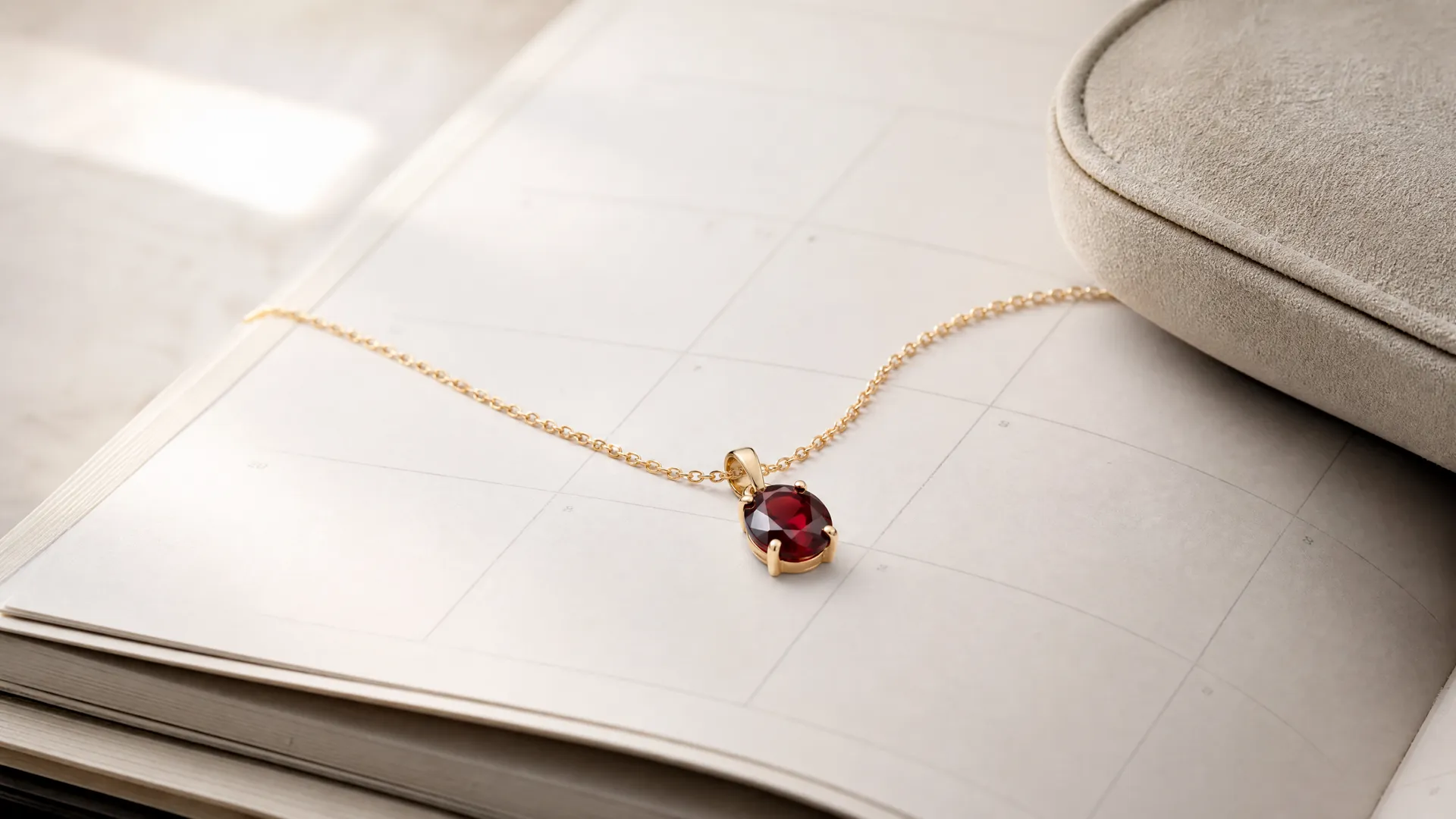
Peridot has the most dramatic origin story of any birthstone: it crystallizes in the deep mantle and rides volcanic rock to the surface — and some peridot arrives from space, set inside iron meteorites that formed at the birth of the solar system. Fewer than a handful of gemstones exist both in lava fields and meteorite cores; peridot is the one you can actually buy.
Quick Answer: Buying Peridot - **Color:** the grade runs yellow-green to pure rich green with a gold flash — the best reads like backlit olive oil - **The evening secret:** peridot keeps its green under lamplight when other greens go black — the old French name was evening emerald - **Wear:** Mohs 6.5-7 — daily rings fine with ordinary sense; fast triple-digit trend growth this year has renewed supply attention - **Price:** the friendliest fine-green gem on the sheet
History's peridot chapter is Egyptian: the Red Sea island the ancients called Topazios (today Zabargad) mined peridot for pharaohs — for centuries its stones were mislabeled topaz and even emerald in European royal collections, because gemology hadn't yet caught up with the green. Crusaders brought the stones home, and the confusion persisted until mineralogy sorted the families. Modern supply runs from Arizona's volcanic fields to Pakistan's high-mountain deposits, which produce the saturated large stones the current trend runs on.
Why peridot is climbing the trend charts now, honestly: green has been fashion's running color story, peridot is the accessible green gem (no treatment needed — its color is elemental iron, unmixed with the treatment baggage of emerald or green sapphire), and August birthdays finally get a stone people outside the jewelry world ask about by name. Our August birthstone page carries the month's full story, and green-stone wearing logic — what green flatters, what it fights — is covered in what does my birthstone mean.
Wearing notes: peridot's lime-green reads fresher than emerald's blue-green — brilliant with white linen, denim, and army green, deliberate against warm reds. In jewelry the stone performs best with light behind it: pendants and earrings outrank deep bezel rings for pure color delivery. Clean with warm water and a soft brush; avoid ultrasonic (internal stress in some stones). The evening-emerald trick is worth testing once at dinner — under candlelight and warm lamps, peridot holds a glow that genuinely surprises first-time wearers.
Frequently asked.
Is peridot related to emerald?,
No — different mineral families entirely. Peridot is olivine (gem-quality, colored by iron); emerald is beryl (colored by chromium/vanadium). The old French nickname evening emerald described peridot's lamp-lit glow, not a family relationship. The practical difference for buyers: peridot's green is yellow-lime fresh, untreated, and a fraction of emerald's price.
Does peridot really come from meteors?,
Some of it does. Pallasite meteorites — iron-nickely bodies from the early solar system — contain crystals of gem-quality olivine. It is a collector curiosity rather than a supply source; the commercial gem comes from volcanic deposits (Arizona, Pakistan, China, Vietnam). But yes: peridot is one of the very few gems that exists off-planet.
Is peridot treated or enhanced?,
Essentially never. Its green comes from iron built into the crystal itself — there is no heating or dyeing step in commercial peridot. What you see is what formed in the mantle, which makes it one of the most disclosure-free gemstones to buy.
What is the best peridot color?,
Rich green with a slight gold undertone and no brownish cast — the color of backlit olive oil. Avoid the yellow-green end (weak saturation) and any stone that goes muddy indoors. Larger stones hold saturation better, which is why peridot pendants outperform tiny accent stones for pure color.
Why was August given peridot?,
The modern list assigned peridot to August, likely cementing older Arabic and European associations of the stone with late-summer abundance — its name may derive from the Arabic faridat, gem. August also holds sardonyx as its traditional alternate; peridot is the one the market celebrates.
Related Articles
A Brief History of Birthstones
From the twelve tribes of Israel to the 1912 standard that rules the modern list — the 3,500-year origin story of why we wear our birth month.
Read MoreThe Ultimate Birthstone Cleaning Guide
Keep every piece in your collection gleaming. Step-by-step methods for gold, silver, and delicate birthstones — no harsh chemicals needed.
Read MoreBirthstone Energy: A Complete Crystal Healing Guide
From root chakra grounding to crown chakra clarity, discover how each birthstone carries healing energy. Learn to activate your crystal for meditation, sleep, and daily intention.
Read More