Birthstone Rings
Birthstone rings chosen by the life the hand leads — not a shop-all dump of every SKU. Most ring guides start with the stone; backwards. A ring lives on a hand that types, lifts, gardens, and shakes other hands. Every ring below is set in S925 sterling silver or gold vermeil, sized 5–9, and built to be worn rather than saved.
Quick answer: which birthstone ring for whom
| The hand | What wins | Why |
|---|---|---|
| Typist, writer, gamer | Cabochon dome ring | Smooth top glides over keys; nothing catches |
| Gym-goer, gardener | Any birthstone ring — worn off-duty | Hard stones (garnet, sapphire) survive; the habit is taking it off before the workout |
| Stacker & layerer | Two-ring stack set | Slim bands share width; one stone band carries the story |
| Meaning-first gift giver | Emerald clover | Luck symbol plus May's stone in one silhouette |
| Night-out minimalist | Starlight ring | Sparkle that reads under restaurant light, zero color commitment |
Every Birthstone Ring We Make
Four silhouettes, each doing a different job on a hand.
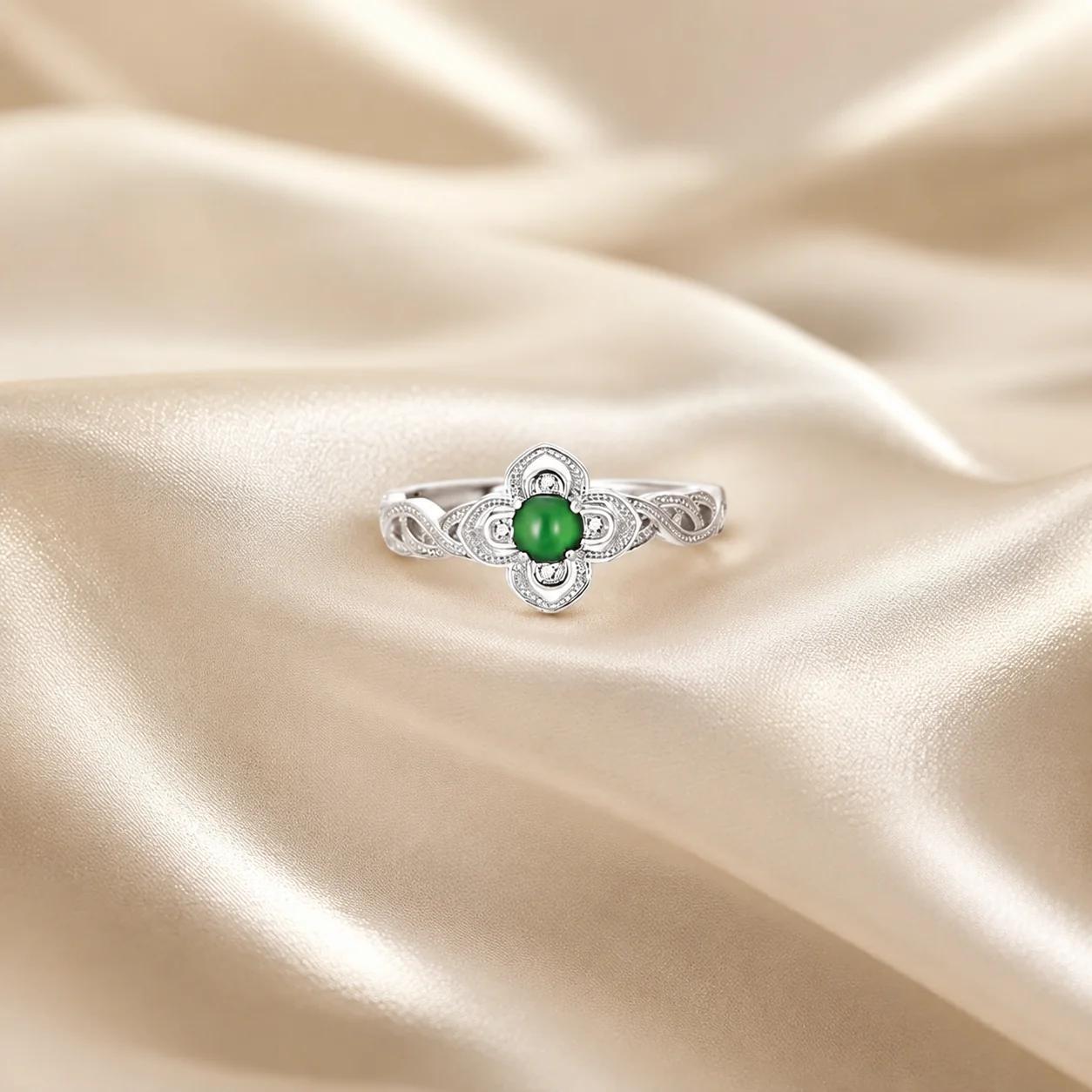
S925 Sterling Silver
Emerald Clover Ring — Four Leaf Luck, Sterling Silver
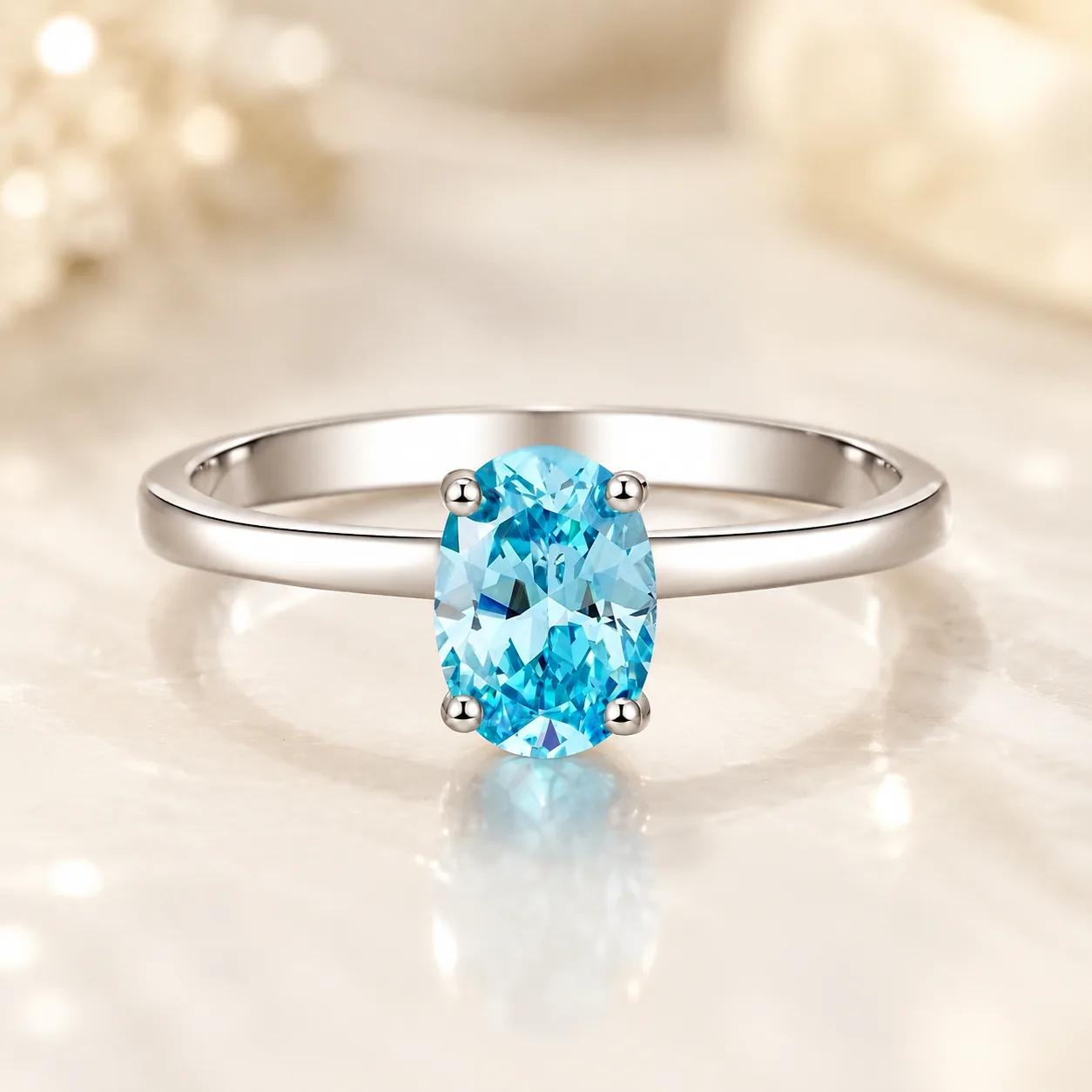
925 Sterling Silver
Birthstone Cabochon Ring — Choose Your Month
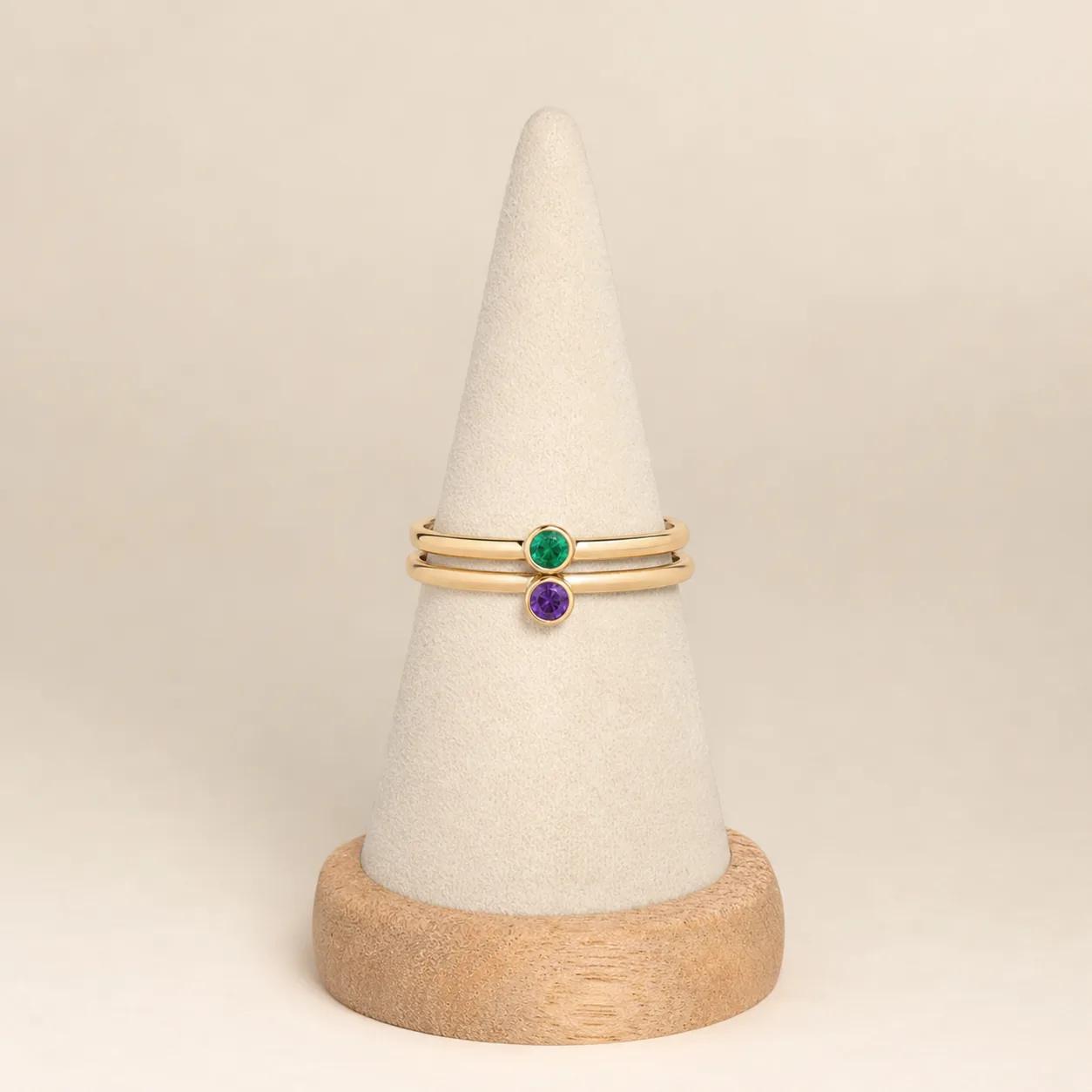
2-Stone ring
Birthstone Stack Ring Set (2 Rings)

925 Sterling Silver
Starlight Pavé Star Ring
The First Question Isn't the Stone — It's the Snag Test
Run this test on any ring you already own: wear it for one full day and count how many times it catches — on a pocket, a keyboard, a sweater, a seatbelt. Three or more and a prong-set stone is the wrong shape for your life; a cabochon dome sits flush and forgets itself. This is why our most-reordered ring for nurses and teachers is the cabochon, not the showiest one.
Sizing Honestly: Between Sizes, Go Up
Fingers swell in summer and after exercise, and wide bands fit tighter than slim ones. Our rings run true to US sizing on slim bands; if you are between sizes, take the larger — a half-size loose is comfort, a half-size tight is a ring that lives in a drawer. Measure warm hands, late in the day, three times.
One Ring or a Family Stack
The single-stone ring says a month. The stack says a family — one slim band per person, pushed together or spread across fingers as the mood goes. The math worth knowing: three 1.5mm bands measure under 5mm total, so a full family stack still fits a small hand. More on the formula in our ring stacking guide, and the everyday case for wearing your month is made in our how to wear a birthstone ring guide, and the stones behind each month are on the twelve-month hub.
Birthstone Ring Questions, Answered Straight
What is a birthstone ring?
A ring set with the gemstone traditionally assigned to a birth month — garnet for January, amethyst for February, and so on through turquoise in December. It is worn as a personal emblem, a memory of a person or date, or stacked with one stone per family member. Ours are set in S925 sterling silver and 18K gold vermeil.
Which birthstone rings can be stacked together?
Any rings sharing a band width and low profile stack cleanly. Our two-ring birthstone stack set is built for it; adding a plain or twisted band between stone rings gives the stack rhythm. Three or four slim bands read as one sculptural ring; beyond that, split them across two fingers.
What is the most durable birthstone for a ring?
Sapphire (September) and ruby (July) top the list at Mohs 9, followed by topaz and aquamarine at 8. Garnet, amethyst, and citrine sit at 7-ish — hard enough for daily wear with basic care. Opal and pearl are the softest birthstones and suit protective settings or occasional wear.
Which finger should a birthstone ring go on?
There is no rule — but there is a logic. Right-hand rings read as personal (your own month); stacking sets often live on the index or middle finger where three bands have room; a single stone next to an engagement ring turns the wedding set into a family story. Choose the finger the ring fits, not the finger convention says.
Are birthstone rings good gifts for moms?
They are the second most-gifted birthstone format after necklaces. The classic formula: one ring per child month, stacked — or a single band carrying multiple stones. Moms who work with their hands prefer low-profile cabochon domes that never snag; see our for-mom guide for the full decision path.
Are these sterling silver rings?
Yes — every ring here is S925 sterling silver or 18K gold vermeil (2.5-micron gold over solid S925). Sterling silver rings are the everyday standard: hypoallergenic for most fingers, hard enough for daily wear, and a fraction of gold's price at the same design. Silver darkens slowly with air; a polishing cloth brings back the white in thirty seconds.
What is a promise ring and how is it different from an engagement ring?
A promise ring marks a commitment before engagement — exclusive dating, a future plan, a vow of any kind — and is worn on any finger, most often the right hand or a middle finger. Engagement rings formally propose marriage and carry the left-hand tradition. Promise rings tend to be slimmer and quieter: a birthstone, a small solitaire, or a stackable band says it without the diamond budget. Ours are built to stack, so the same ring can graduate into the wedding set later.
What is the average cost of a birthstone ring?
Honest tiers: 60-120 for S925 silver settings with genuine stones (garnet, amethyst, peridot, citrine), 120-300 for gold vermeil and detailed designs, 300-800 for solid gold settings or premium stones like sapphire and emerald. The stone drives the price more than the metal at every tier.
Can I wear my birthstone ring every day?
Depends on the stone: garnet, amethyst, citrine and sapphire at hardness 7+ handle daily duty; opal, pearl and emerald want protective settings. The full durability table is in our gemstone ring guide.
What is a three-stone mother's ring and how are the stones arranged?
A mother's ring sets the mother's birthstone center, flanked by her children's stones — one child per side for two, three across for three kids, and a stack of bands rather than one crowded ring once the count passes four. The arrangement rule that reads best: mother's stone always largest or center, children's stones matched in size regardless of birth order. Our birthstone stack ring set is the modular version — one band per family member, add-a-band as the family grows.
Can a family birthstone ring hold stones for grandparents too?
Three generations fit two ways: a five-to-six stone cluster ring (busy but doable in larger formats), or the cleaner split — grandparents' stones in a family tree necklace, the ring holding just parents and kids. The tree format was designed for exactly this: each stone gets its own branch setting, and the composition stays readable at six-plus stones where any single ring stops working.
How much is a birthstone ring?
The honest 2026 tiering: $50-120 buys slim stack bands and single-stone solitaires in S925; $120-250 buys cabochon and motif rings (clover, star) in vermeil; $250+ buys statement scale and heavier metal. What does NOT move the price the way buyers expect: the month itself. A February amethyst ring and a March aquamarine ring at the same counter cost nearly the same — both are priced as constructed jewelry. Anyone quoting ruby-month premiums on a $90 birthstone ring is selling calendar folklore, not gem value.
What does wearing your birthstone mean?
The tradition, told honestly: birthstones trace to the twelve foundation stones of biblical Aaron's breastplate, standardized into the modern month list by American jewelers in 1912 — so wearing one is calendar symbolism, not a fact about you. What the folklore adds: each month's stone carries its own legend (garnet the traveler's protection, amethyst the ancient Greek sobriety stone, sapphire the wisdom stone), and wearers today mostly use that meaning as a personal talisman — a daily-wearable reminder of identity, a birth month, or the person who gave it.