Aquamarine Guide: The Sailor's Stone and March's Best Kept Secret
Named for seawater, carried by sailors, and the blue twin of emerald — aquamarine is March's stone and the most wearable blue in jewelry. Grades, green-vs-blue, and buying notes.
Yueounb Editorial
Gemology Researcher
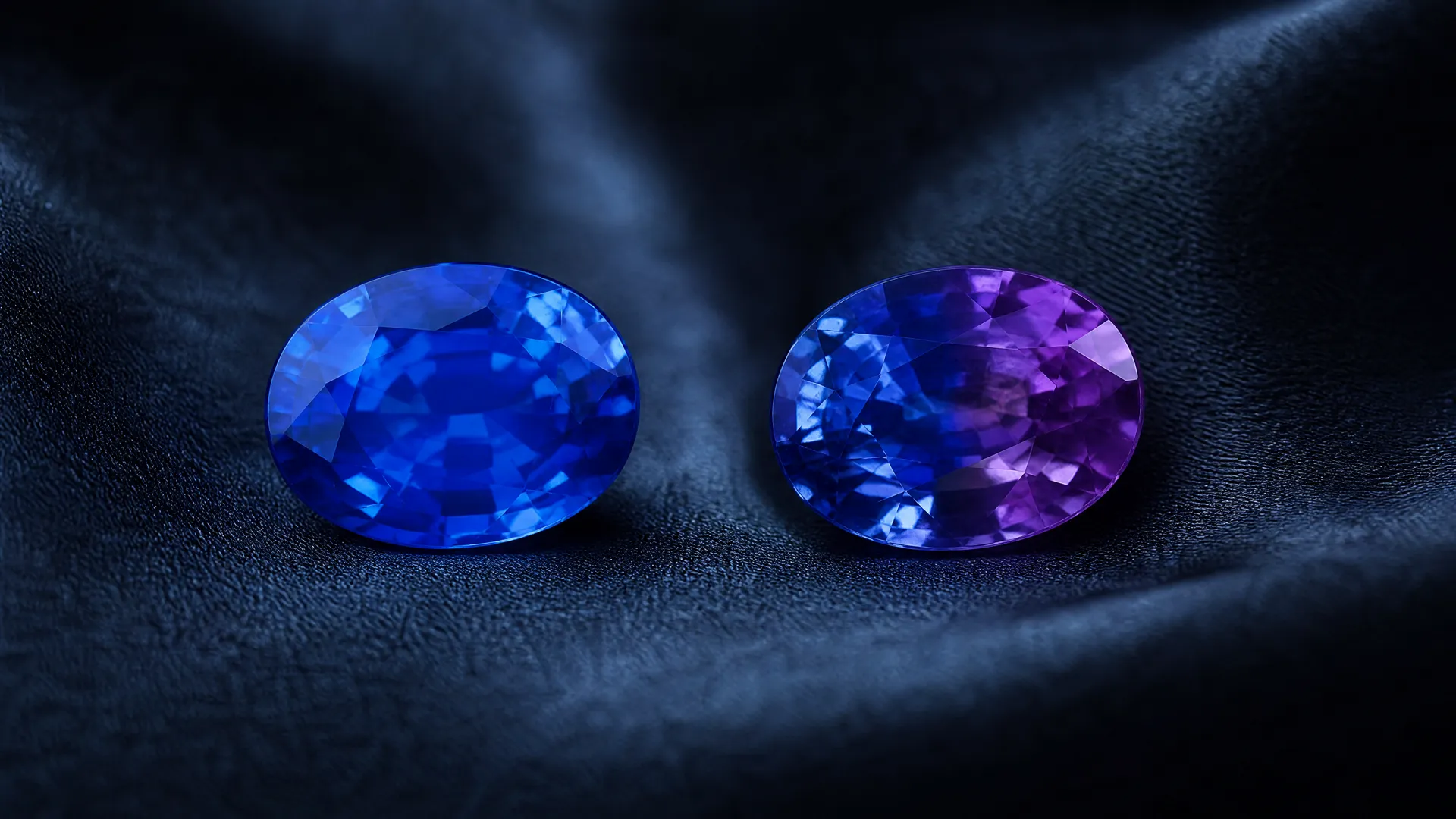
Aquamarine is the sea formalized: the name is Latin for seawater, Roman sailors carried it as a talisman against storms (they carved it into amulets believed to calm waves), and the color runs exactly the blue-green band of sunlit ocean. It is also the family fact almost nobody knows: aquamarine and emerald are the same mineral — beryl — in two colors. Green beryl colored by chromium is emerald; blue beryl colored by iron is aquamarine. Sister stones, opposite personalities.
Quick Answer: Buying the Blue - **Color grades:** sky blue to deep Santa Maria blue; the deeper and purer the blue, the higher the grade — many commercial stones carry a greenish tint - **Clarity advantage:** aquamarine is almost always eye-clean — the opposite of emerald's jardin inclusions - **Size friendliness:** large clean stones exist at real prices; aquamarine is how buyers afford statement blues - **Durability:** Mohs 7.5-8 — daily rings fully in play
The buying nuances are honest and few. Heat treatment is routine and stable: most market aquamarine has been gently heated to shift greenish-blue toward pure blue — permanent, accepted, and usually undisclosed because it is the norm rather than the exception. What moves price is depth of blue saturation: the Santa Maria Africana and the deep Brazilian blues trade at multiples of pale stones. One buyer's tip that always works: view the stone from the side — a shallow-cut pale stone can face up blue but shows its true tint edge-on.
March inherits the sailor's stone, and it photographs the way people hope blue jewelry will: bright, clean, glassy. Design-wise it loves silver — the cool metal deepens the water impression — and it is the rare gem that works equally at 2mm accent size (where its clarity keeps it crisp) and 10ct+ statement size (where its price stays civil). The March birthstone page carries the full month story; ring-reading logic for light-blue stones lives in birthstone ring guide.
Care is minimal: warm soapy water, soft brush, no ultrasonic needed for routine cleaning (fine for most stones, but skip it if the stone has cracks or liquid inclusions). The only real maintenance decision is what every aquamarine owner eventually makes: whether to accept the greenish tint of an unheated antique stone or prefer the standardized blue of the modern market — both are honest answers, and one of them is a story.
Frequently asked.
Are aquamarine and emerald the same stone?,
Same mineral, different color: both are beryl. Green beryl colored by chromium or vanadium is emerald; blue beryl colored by iron is aquamarine. The family link explains their opposite reputations — emerald is included and fragile, aquamarine is clean and hard — because they crystallize under different geological conditions.
Is heat-treated aquamarine a problem?,
No — gentle heating to remove the greenish tint and deepen blue is routine, permanent, and accepted across the trade; the color does not fade or revert. If a seller advertises unheated aquamarine with a natural greenish-blue tint, that is a legitimate (often antique) alternative look, not a higher grade by default.
What is Santa Maria aquamarine?,
The trade name for the most saturated deep blue aquamarine, originally from Brazil's Santa Maria de Itabira mine. The mine is largely worked out; Santa Maria and Santa Maria Africana (Mozambique) now describe that top blue grade from anywhere. It trades at a clear premium over pale and greenish stones.
Is aquamarine good for an engagement ring?,
Mechanically yes — Mohs 7.5-8 with excellent clarity makes it daily-wear capable, and its price allows a large stone. The honest caveat is hardness snobbery: it scratches easier than diamond or sapphire over decades of hard daily wear. In a protected setting or on a hand that doesn't do heavy work, it is a beautiful non-traditional choice.
Why is aquamarine March's birthstone?,
The 1912 standard list assigned it to March, formalizing the stone's ancient water associations — Roman sailors storm talisman, the Latin aqua marina (seawater). March, the month that comes in like a lion, got the stone that promises calm water.
Related Articles
A Brief History of Birthstones
From the twelve tribes of Israel to the 1912 standard that rules the modern list — the 3,500-year origin story of why we wear our birth month.
Read MoreThe Ultimate Birthstone Cleaning Guide
Keep every piece in your collection gleaming. Step-by-step methods for gold, silver, and delicate birthstones — no harsh chemicals needed.
Read MoreBirthstone Energy: A Complete Crystal Healing Guide
From root chakra grounding to crown chakra clarity, discover how each birthstone carries healing energy. Learn to activate your crystal for meditation, sleep, and daily intention.
Read More