March Birthstone

Aquamarine

Ocean calm for the soul.

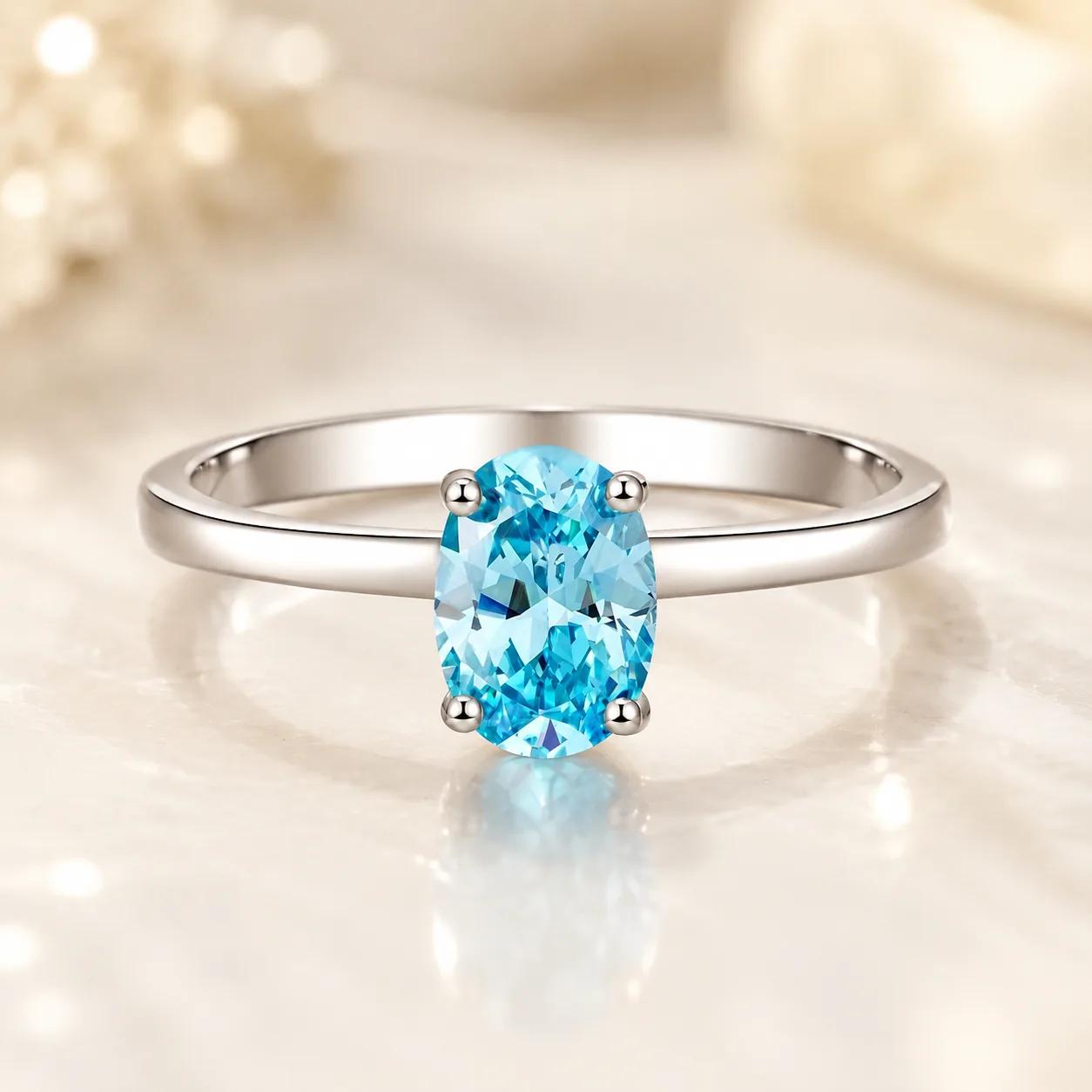
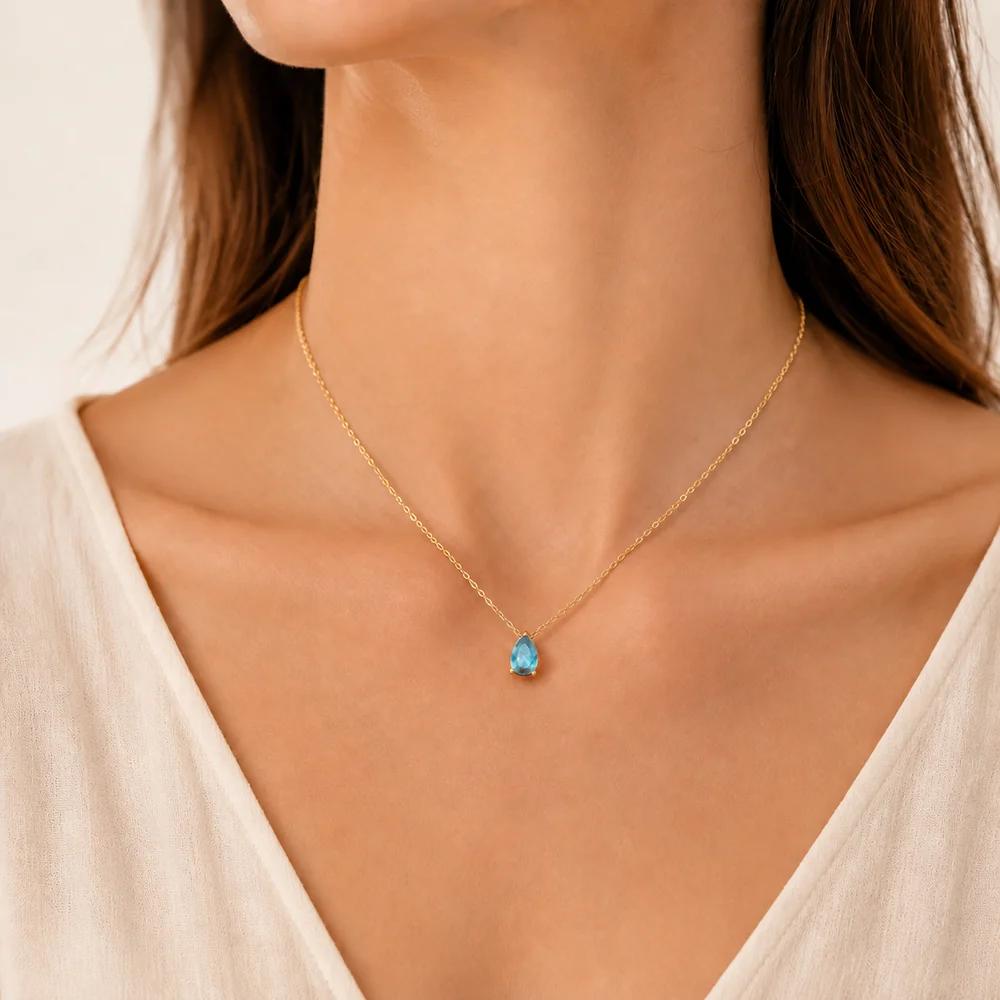
March's birthstone is Aquamarine (or Bloodstone) — a gemstone symbolizing courage, serenity, and clear communication. It rates 7.5–8 on the Mohs hardness scale and is the traditional stone for March birthdays, set in handcrafted necklaces, rings, earrings and bracelets.

CourageSerenityYouth
Aquamarine ($) — March birthstone

Primary Stone

Aquamarine

Mohs Hardness

7.5–8

Symbolizes

Courage · Serenity · Youth

Alternative March Birthstone

Bloodstone

March Aquamarine Jewelry

4 handcrafted pieces for March babies.

March Birthstone Gifts for Her

March birthstone gifts carry one clear message: I know your month, I know your stone. A Aquamarine necklace is the classic March gift for her — personal, everyday-wearable, and impossible to regift. For a mom, choose a 2-stone or 3-stone design that pairs her Aquamarine with her children's birthstones; for a grandmother, family pieces hold 4, 5 or even 6 stones — one per grandchild.

History & Lore of Aquamarine

Sailors in the Middle Ages carried aquamarine as a talisman against drowning, believing the stone was a treasure from the mermaids’ kingdom. Roman fortune-tellers gazed into aquamarine to see the future, and it has long symbolized a happy marriage when exchanged between partners.

Linked to the throat chakra, aquamarine is called the stone of courage and clear voice. Wearing it close to the throat is believed to soothe fear of speaking and bring honest words to difficult conversations.

Symbolism: Courage, serenity, and clear communication.

How to Care for Aquamarine

Aquamarine is a durable beryl (7.5–8 Mohs) suited to everyday wear. Its color may fade under strong light over years, so store in a shaded place. Clean with warm soapy water; avoid ultrasonic cleaners if the stone has liquid inclusions, common in lighter specimens.

  • Mohs hardness: 7.5–8
  • Suitable for everyday wear depending on setting and lifestyle.
  • Store separately to avoid contact with harder stones.
Full guide: The Ultimate Birthstone Cleaning GuideShop by stone: March Birthstone Jewelry Guide

Aquamarine Quick Facts

Everything about March's birthstone in one place.

Mineralogy

Mineral
Beryl (Aquamarine)
Chemical Formula
Be3Al2(SiO3)6
Crystal System
Hexagonal
Mohs Hardness
7.5 - 8
Specific Gravity
2.68 - 2.74
Refractive Index
1.57 - 1.58

Buying Guide

Primary Sources

Brazil, Nigeria, Madagascar, Pakistan

Color Variations

Pale blue, Sky blue, Seafoam, Blue-green

Popular Cuts

Emerald cut, Oval, Pear

Best For

March birthdays, 19th anniversary, Sailors and travelers, Pisces and Aries

Avoid With

High heat (color fades), Steam cleaning

The March Birthstone, Answered Directly

March's modern birthstone is aquamarine — the blue variety of beryl at Mohs 7.5-8, sister to May's emerald in the same mineral family. The traditional March stone is bloodstone, dark green quartz flecked with red, and the older lists even carried jasper — making March one of the most contrast-heavy months on the chart: seawater blue versus heliotrope green. Aquamarine's name is Latin for seawater, its meaning runs through sailors and safe passage, and it is the nineteenth-anniversary stone. The two-stone reality means March buyers effectively choose between serenity and strength — the full story of both follows.

Raw Aquamarine: The Gem That Grows Giant

Aquamarine crystallizes as six-sided prismatic crystals — and it holds the size records: the largest gem-quality crystal ever found weighed 110 kilograms, from Brazil's Minas Gerais in 1910, about half a million carats of seawater before cutting. The color is iron's work: ferrous iron makes pure blue, ferric adds the yellow-green tint most rough carries, and gentle heating converts one to the other — which is why most market aquamarine has been low-temperature heated toward blue, a permanent, accepted, and undetectable-routine treatment. The famous Santa Maria name comes from the Santa Maria de Itabira mine, whose deep pure blue set the standard before the mine emptied within years; the name survives as a color grade, and African stones of the same intensity are sold honestly as Santa Maria Africana. Pakistan's high Karakoram valleys supply water-clear crystals today; Colorado's Mount Antero makes aquamarine a state gem.

Bloodstone is the other March entirely: chalcedony — microcrystalline quartz — in dark green splashed with red iron oxide, named heliotrope by the Greeks for the belief that it could turn the sun red in water. India is its classic source, and it takes a cabochon dome rather than facets.

March Meaning: The Bridge Between Pisces and Aries

The sailor's stone meaning is the GIA's own line: aquamarine was believed to calm waves and keep sailors safe at sea. The older beryl tradition the GIA records is stranger and better: protection against foes in battle and in litigation, making the wearer at once unconquerable and amiable — a sentence that happens to describe March itself, the month bridging Pisces' romantic waters and Aries' opening charge. March people get both natures in one birthright, and the stone's later reputation — happiness in marriage — plus its status as the literal something blue of the wedding rhyme (a Victorian-era custom, honestly labeled) make it an engagement-adjacent gift year-round. Bloodstone's meaning runs older and harder: the athlete's talisman, anciently credited with increasing strength, its red flecks read by some traditions as something sacred — the stone of courage, worn into Roman battle.

How Our Artisans Hand-Set Aquamarine

Aquamarine is the workshop's clean canvas: usually free of inclusions and as clear as water, it earns the big-facet cuts — emerald steps and generous ovals — that fragile stones cannot risk. The one physics lesson its cutting teaches: pale rough goes big and deep, because saturation in aquamarine is built by light path — the same stone that looks watery in three carats can glow at eight, which is why the designs run larger than the calendar's other months. At Mohs 7.5-8 with good toughness it wears daily happily; the bench cautions are stones with visible fractures or liquid inclusions (no ultrasonic machine, per the GIA) and heat near the setting. Bezel or prong is a style choice here, not an armor requirement — the luxury of a hard, clean stone.

How to Buy Aquamarine Without Buying Blue Topaz

The category's classic swap is blue topaz sold as, or mistaken for, aquamarine — the price difference is real, because irradiated blue topaz starts as cheap colorless material. The tells are learnable in a minute: tone (topaz runs electric and steely; aquamarine is softer, sea-glass blue), heft (topaz at specific gravity 3.53 feels heavier than aquamarine's 2.72 at the same size), and dichroism (aquamarine shifts noticeably between crystal directions). Glass imitations warm fast and show bubbles; a too-cheap large vivid blue is topaz at best. One name deserves its own caution: Santa Maria is a color grade today, not a mine certificate — a high-price stone sold on the name should carry documentation of color and origin. Bloodstone, the traditional March stone, has the happy problem of being inexpensive and hard to fake badly — green chalcedony with genuine red jasper spots is the honest article.

Who Should Receive March's Stones

The nineteenth anniversary is aquamarine's official year, and our anniversary pages carry that story in full. For March birthdays, the zodiac bridge does the choosing: give the Pisces the water stone, the Aries the bloodstone — or the March baby with both natures the pairing of the two, which the month's own two-stone chart practically endorses. The wedding-gift lane is March's quiet advantage: aquamarine is the most literal something blue in jewelry, with a marriage-happiness tradition behind it, and aquamarine engagement rings have held a steady following as the colorful alternative to diamond. Add the calendar's green accident — St. Patrick's Day falls inside March, when the whole country wears bloodstone's palette for a day — and March may be the only month whose two birthstones each own a holiday.

How blue should a good aquamarine be?

Less blue than photos have trained you to expect. Natural aquamarine runs from near-colorless to a soft sea blue; the saturated deep blues you see online are usually one of three things — a large stone (color deepens with size, so small pale stones and rich big ones can be the same material), a heated stone (gentle heating turns greenish-blue pure blue, an accepted and disclosed treatment in the trade), or a saturation grade sold under names like Santa Maria, which started as a Brazilian mine and is now mostly a color pedigree.

The buyer's translation: judge aquamarine by how clean and even its blue is, not how dark. A luminous pastel with sparkle beats a muddy deep stone every time — this gem's whole identity is seawater light.

Can aquamarine go in the ultrasonic cleaner?

Usually, yes — aquamarine at 7.5–8 on Mohs with good toughness handles ultrasonic cleaning better than most colored stones, and it shrugs off ordinary soap and steam. The honest exceptions are the ones your jeweler can see and you cannot: significant fractures or liquid inclusions, which ultrasonic vibration can widen. A heavily included stone goes to the damp-cloth regime regardless of species.

For daily wear the simpler rule works: warm water, mild soap, soft brush, monthly. Aquamarine is one of the few birthstones that earns its name — it genuinely likes water.

What size aquamarine holds its color?

Color in aquamarine is a volume effect — light travels through more stone, more blue comes back. Under about two carats, most aquamarine reads pale and icy; somewhere around three to five carats, the same material visibly deepens; large clean stones carry the saturated sea-blue the species is famous for. This is why the same grade can look like two different gems at two different sizes.

The shopping consequence is useful: if you want March's deep blue at a small scale, choose a deep-cut or emerald-cut stone (more depth, more color per carat) rather than a shallow spread cut, which maximizes face-up size at the cost of the very color you are buying.

Handcrafted Aquamarine, made to be inherited.

Each piece is set by hand, one artisan, start to finish.

Shop Aquamarine Jewelry

Birthstone Guide

March Aquamarine FAQs

Everything about raw crystals, energy, handmade craft, and how to choose your aquamarine jewelry.

Is there a raw crystal version of aquamarine? Can I get uncut birthstone jewelry?

Yes. Raw aquamarine forms in hexagonal prismatic crystals with a glassy, water-clear clarity. Uncut March pieces often feature natural prismatic shards that catch light like sunlight on shallow water.

What is the energy or healing meaning of aquamarine?

Aquamarine is the stone of courage and clear communication, traditionally linked to the throat chakra. Sailors carried it as a talisman against drowning; modern wearers use it to find honest words in difficult conversations and to soothe performance anxiety.

How is the handmade aquamarine jewelry crafted?

Aquamarine blue can range from near-colorless to deep teal. Our makers source stones within a tight blue-green range and hand-set each one to maximize light return, the difference between a good stone and a breathtaking one is often in the setting angle.

Who is aquamarine the perfect gift for?

March aquamarine is the gift for the communicator: the writer, the teacher, the partner you finally want to say the hard thing to. It carries the energy of clear water and honest words.

How can I tell if my aquamarine is authentic?

Aquamarine is a beryl (Mohs 7.5-8) and should feel cool, dense, and slightly greasy to the touch. Blue topaz is often sold as aquamarine, but topaz has a more electric sky-blue tone, while true aquamarine reads softer, like sea glass.

What is the March birthstone?

Aquamarine is March's modern birthstone — the blue variety of beryl, Mohs 7.5-8, sister to May's emerald. Bloodstone, dark green quartz with red flecks, is the traditional March stone (the oldest lists also carried jasper), giving March the calendar's most contrasting pair: seawater blue versus heliotrope green.

What color is March's birthstone?

Seawater blue for aquamarine — light to medium blue with a green tint in most natural stones, deep pure blue in the top Santa Maria grade — versus bloodstone's dark green with red spots. March is one of the few months whose two official stones share no color at all.

What is the difference between aquamarine and blue topaz?

Similar at a glance, different minerals: aquamarine is beryl with a soft sea-glass blue, while irradiated blue topaz runs steely and electric. Topaz feels heavier at the same size (specific gravity 3.53 versus 2.72), aquamarine shows clear two-color shift between directions, and genuine aquamarine costs multiples of blue topaz at size — a large vivid blue at a small price is topaz, nearly every time.

Find Your Aquamarine Piece

Handcrafted March birthstone jewelry, made to be inherited.

Shop Aquamarine Jewelry