February Birthstone

Amethyst

Royal purple for a steady mind.

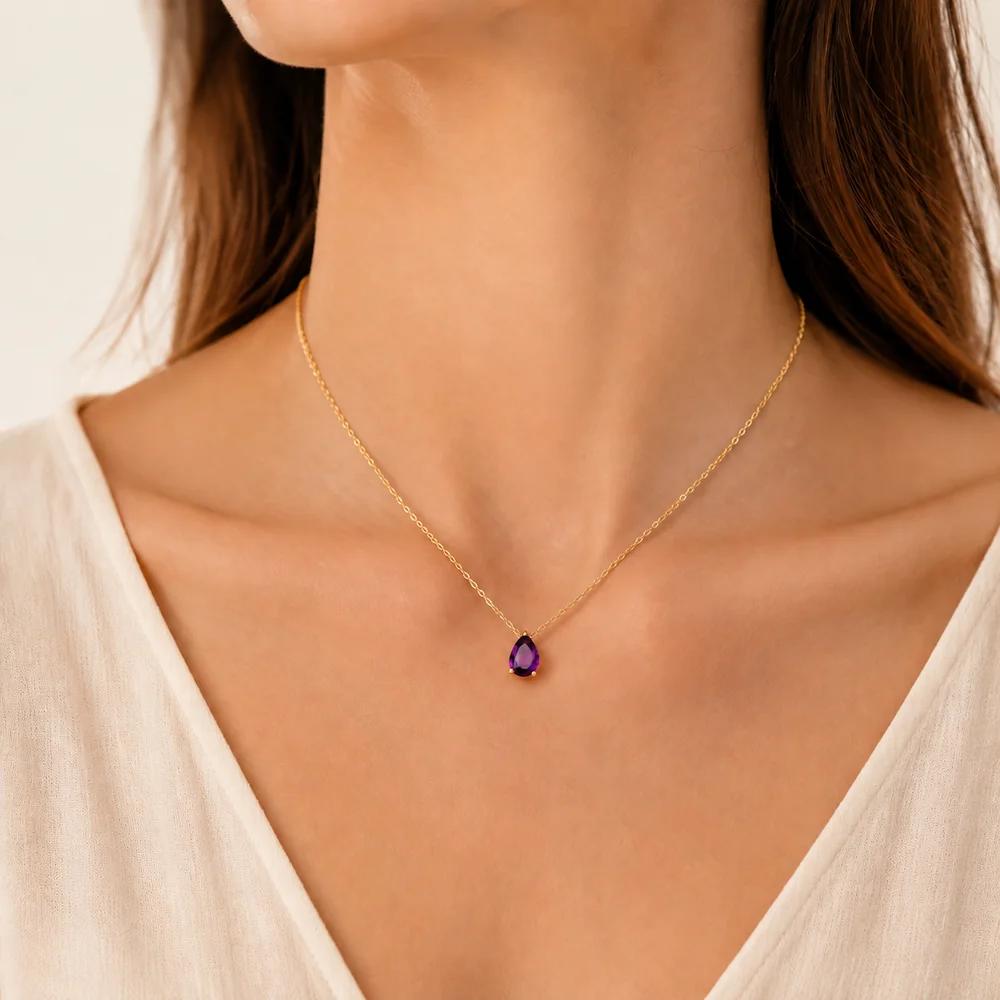
February's birthstone is Amethyst (or Ametrine) — a gemstone symbolizing clarity of mind, calm, and inner strength. It rates 7 on the Mohs hardness scale and is the traditional stone for February birthdays, set in handcrafted necklaces, rings, earrings and bracelets.

CalmClarityWisdom
Amethyst ($) — February birthstone

Primary Stone

Amethyst

Mohs Hardness

7

Symbolizes

Calm · Clarity · Wisdom

Alternative February Birthstone

Ametrine

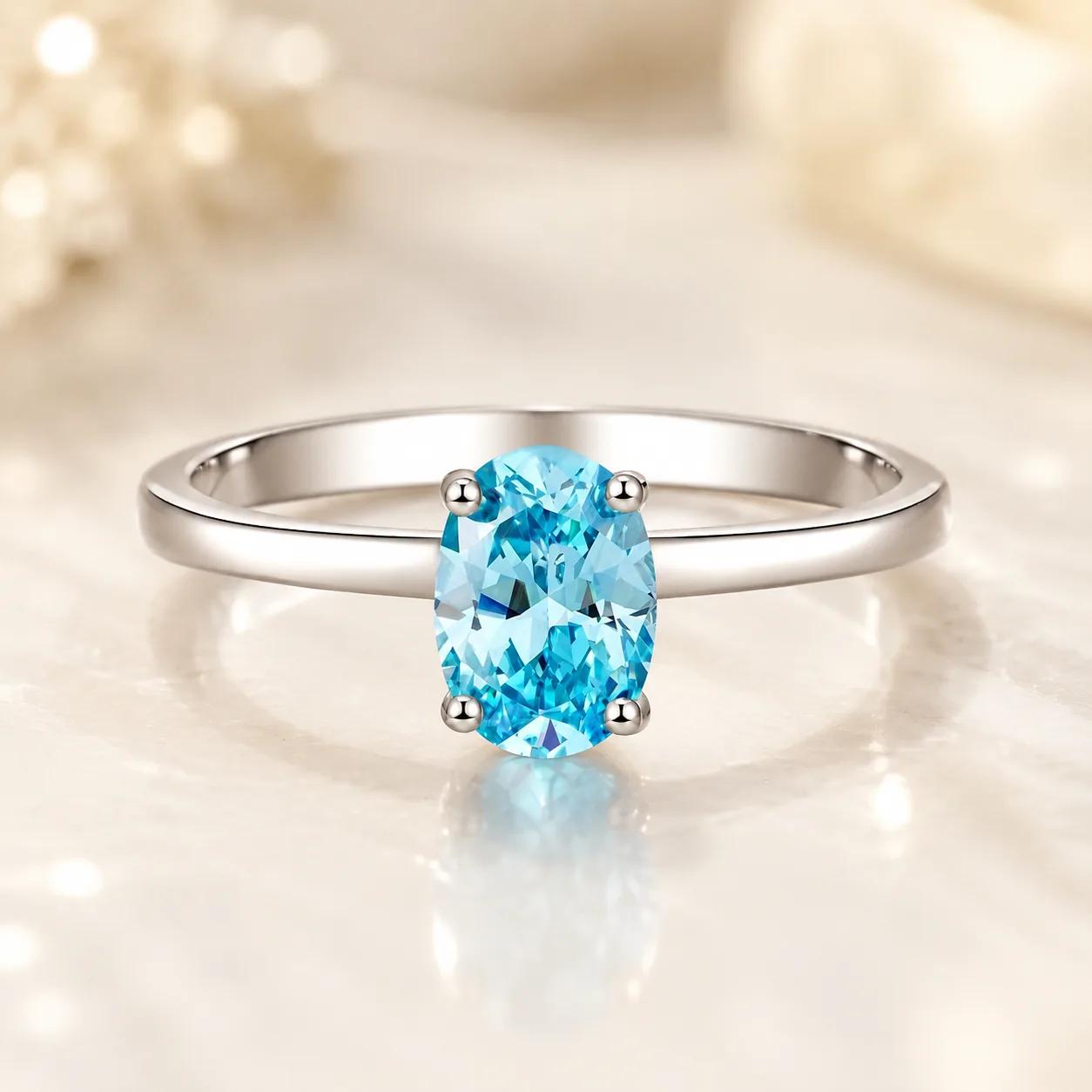
February Amethyst Jewelry

4 handcrafted pieces for February babies.

February Birthstone Gifts for Her

February birthstone gifts carry one clear message: I know your month, I know your stone. A Amethyst necklace is the classic February gift for her — personal, everyday-wearable, and impossible to regift. For a mom, choose a 2-stone or 3-stone design that pairs her Amethyst with her children's birthstones; for a grandmother, family pieces hold 4, 5 or even 6 stones — one per grandchild.

History & Lore of Amethyst

The ancient Greeks believed amethyst prevented intoxication — its name means "not drunken" in Greek, and drinking vessels were carved from it. It has adorned the rings of Catholic bishops for centuries and was once considered as precious as diamond, ruby, and emerald before large deposits were found in Brazil.

A meditative stone, amethyst is associated with the crown chakra and mental clarity. Healers keep it on the bedside table to quiet the mind, deepen sleep, and dispel repetitive thoughts.

Symbolism: Clarity of mind, calm, and inner strength.

How to Care for Amethyst

Amethyst is a quartz variety with a Mohs hardness of 7, durable enough for daily wear. Sudden temperature changes can cause fracturing, and prolonged sunlight may fade its color — store it away from direct sun. Clean with warm soapy water and a soft cloth.

  • Mohs hardness: 7
  • Suitable for everyday wear depending on setting and lifestyle.
  • Store separately to avoid contact with harder stones.
Full guide: How to Clean Amethyst JewelryShop by stone: February Birthstone Jewelry Guide

Amethyst Quick Facts

Everything about February's birthstone in one place.

Mineralogy

Mineral
Quartz (Amethyst)
Chemical Formula
SiO2
Crystal System
Trigonal
Mohs Hardness
7
Specific Gravity
2.65
Refractive Index
1.54 - 1.55

Buying Guide

Primary Sources

Brazil, Uruguay, Zambia, South Korea

Color Variations

Pale lilac, Deep purple, Royal purple, Greened (prasiolite)

Popular Cuts

Faceted oval, Cabochon, Geode cluster

Best For

February birthdays, 4th and 6th anniversary, Meditation, Pisces and Aquarius

Avoid With

Prolonged sunlight (fades), High heat

The February Birthstone, Answered Directly

February's birthstone is amethyst — the purple variety of quartz at Mohs 7, and the only month on the modern chart that has never changed: the 1912 list gave February amethyst, and every revision since (1952, 2002, 2016) left it untouched. Its color runs from misty lilac to the deep violet-blue top grade the trade calls Siberian, its meaning is sober clarity (the Greek amethystos means not drunk), and it is the sixth-anniversary stone. Once among the rarest gems in the world, amethyst remains one of the most affordable birthstones — the full story of that fall from rarity is the most interesting thing about it. That story, expanded with color grades and buying advice, sits in our February birthstone guide.

Raw Amethyst: The Purple That Used to Be Royal

Amethyst crystallizes in geodes — volcanic gas bubbles filled over millions of years with layered quartz, growing inward as pointed terminations that miners extract from the basalt of Brazil and Uruguay. The purple itself is a trick of physics: iron atoms trapped in the quartz, knocked into their color center by natural radiation — which is why amethyst's color often zones in bands, deepest at the tips, and why the cutter's first job is deciding where the purple lives. The famous historic grades carry geographic names: Siberian, the saturated violet-blue with red flashes from Russian deposits that once rivaled ruby in price, and Rose de France, a deliberate pale lilac at the fashionable end.

That price history is February's best story. Until large Brazilian deposits were found in the nineteenth century, amethyst was genuinely scarce — a cardinal's stone, a bishop's ring, one of the most expensive gems in Europe (GIA records it as once valued on par with ruby, sapphire, and emerald). The Brazilian geodes ended the monarchy and democratized the purple: today whole clean carats cost tens of dollars, and the fine saturated grades remain modestly priced. February babies inherited a royal stone at commoner prices — the exact inverse of most gem histories.

Amethyst Meaning: The Sober Stone

The meaning is in the name: Greek amethystos, not drunk. The ancients believed amethyst kept its wearer clear-headed — the Greeks drank from amethyst cups on the theory, and the legend of its origin tells of a maiden named Amethystos, pursued by Dionysus and saved by being turned to white quartz, the god's wine staining her purple in regret. The church completed the promotion: bishops wore amethyst rings for centuries as the stone of sober judgment, which is why the deep purple you picture on a bishop's hand is called the bishop's stone. In modern crystal tradition amethyst is the calming stone — the overthinker's and the caregiver's gem, kept on nightstands for quiet — and the honest version of that tradition is the same as its ancient one: a wearable reminder to keep your head when everything around you is losing theirs. The full lore, and what the science says, lives in our amethyst meaning guide.

How Our Artisans Hand-Set Each Amethyst

Amethyst rewards generosity. At Mohs 7 with good clarity and a price that does not punish size, the February stone is the one our artisans cut big and set brave — cocktail-scale cushions, deep-color ovals, beads that use the color-zoning as a design feature rather than a flaw to hide. Cutting reads for saturation first: a lighter stone earns smaller, deeper facets to bounce the purple; a Siberian-grade stone can open into large steps that let the color pool. Settings follow the wearer: bezels for daily-wear rings that will meet doorframes, airy prongs for pieces whose purple should be seen from across a room. The one workshop caution is heat — prolonged high temperature can lighten the color — so amethyst is never set with torch work after the stone goes in, only before.

How to Identify Authentic Amethyst

The good news for February buyers: amethyst is cheap enough that faking it barely pays, and the fakes that exist are easy to meet. Glass imitations show round bubbles and uniform color under a loupe, where natural amethyst zones in angular bands and often holds colorless or milky patches. Dyed quartz or dyed howlite shows color pooled in cracks and around drill holes. The subtler honest question is origin: much commercial amethyst is heat-treated — and some market citrine is actually heated amethyst, the sister-stone shell game — but treatment in amethyst is stable, accepted, and usually undisclosed-by-custom because it barely moves the price. The laboratory question is different from the fake question: synthetic amethyst is real quartz, grown in factories, and no home test separates it; if natural origin matters to you, buy from a seller who tests their rough and says so. The three-layer guide to what real even means — impostors, lab-grown, treatments — is our amethyst identification article.

Who Should Receive Amethyst

The calendar gives February a gift no other month has: a birthday season that doubles as the season of romance — Valentine's Day sits inside February, and the purple stone reads as both. For a February birthday, amethyst is the whole answer in any format: studs and pendants at every budget, birthstone rings that survive daily life at Mohs 7, beads for the color-zoning purists. For a Valentine born in another month, amethyst pairs honestly with garnet (the January-February couple) or stands alone as the not-drunk romantic's stone — clarity, the ancients said, is the first virtue of love. Beyond romance, the sober-stone meaning makes amethyst the thinking gift: for the overthinker, the caregiver, the new mother who needs her head about her — the personas our shop sees most in February. Pair it with a note naming the meaning, and let the purple do the rest.

Why is amethyst so affordable now — and was it always?

It was not. Into the 1800s, deep purple quartz was a scarce, almost royal stone — European crowns carried amethysts precisely because purple was expensive. Then vast deposits were found in Brazil, and the price collapsed from rarity to abundance within a generation. The modern result is the best value in the birthstone calendar: a gem-grade, calendar-official stone at semi-precious prices, for the one month that has never changed its stone at all.

The economics cut both ways for buyers: today's amethyst is inexpensive because it is plentiful, not because it is low quality — the finest saturated purple still commands a premium over pale material. Pay for color depth, not carats, and the stone reads far above its receipt.

Deep Siberian or Rose de France — which amethyst grade should you buy?

Amethyst grades by color, and the trade names describe a ladder. At the top sits the deep red-blue-purple that old dealers called Siberian — a color grade today rather than a promise of origin, so treat the word as poetry unless a certificate says otherwise. Mid-purple, the workhorse of good amethyst jewelry, is where value and wearability meet. Rose de France, the pale lilac end, is a legitimate look — soft, cool-toned, flattering on the wrist — priced and best bought as a deliberate pastel, not as a discounted version of the deep stuff.

The practical rule: buy the darkest grade that still flashes purple in indirect light. Stones too dark go flat and near-black indoors, which is the one amethyst mistake worth avoiding.

Will amethyst fade in sunlight?

Slowly, yes — amethyst's purple comes from color centers that prolonged UV exposure gradually breaks down, turning stones paler and warmer over seasons of direct sun. A pendant worn to lunch is in no danger; a stone that lives on a bright windowsill genuinely is.

The care habit is easy: store February jewelry in its box or a drawer, keep it out of long display-sun, and the color you bought is the color you keep. It is also why estate amethysts sometimes look washed — the sun, not the age.

Handcrafted Amethyst, made to be inherited.

Each piece is set by hand, one artisan, start to finish.

Shop Amethyst Jewelry

Birthstone Guide

February Amethyst FAQs

Everything about raw crystals, energy, handmade craft, and how to choose your amethyst jewelry.

Is there a raw crystal version of amethyst? Can I get uncut February birthstone jewelry?

Yes. Raw amethyst grows in stunning geode clusters with natural pointed terminations. Many of our February designs feature unpolished amethyst points, preserving the crystal natural geometry and believed energy-clearing properties.

What is the energy or healing meaning of amethyst?

Amethyst is one of the most revered stones for calm and mental clarity. Crystal healers place it on the crown chakra to quiet racing thoughts, deepen meditation, and support restful sleep. It is often called the stone of sobriety for its grounding effect on the mind.

How is the handmade amethyst jewelry crafted?

Amethyst natural purple varies from pale lavender to deep royal violet. Our artisans hand-match stones within each design so that a multi-stone piece reads as one harmonious tone, a level of attention only hand-setting can achieve.

Who is amethyst the perfect gift for?

Amethyst is the gift for the overthinker, the caregiver, the person who holds everything together. It says I see how much you carry; here is something to help you rest. Ideal for February birthdays, anniversaries, and new mothers.

How can I tell if my amethyst is authentic?

Genuine amethyst is a purple variety of quartz with a cool, slightly violet undertone. Hold it to strong light: real amethyst shows subtle color zoning, while dyed glass looks flat and unnaturally uniform. It should feel cool and weighty in the hand.

What is the February birthstone?

Amethyst — purple quartz, Mohs 7. It has been February's stone since the modern chart was standardized in 1912, and February is the only month that has never gained or changed a stone: the 1952, 2002, and 2016 revisions all left it untouched. Older traditional lists carried hyacinth (red-orange zircon) before amethyst took over.

What color is February's birthstone?

Purple, in a wide register: from pale lilac (sold as Rose de France) through rich grape to the saturated violet-blue top grade called Siberian. Depth of color drives price — deeper is rarer — and much evenly-dark commercial amethyst is heat-treated, a stable, accepted practice noted on certificates when unheated.

Is amethyst an expensive gem?

No — and that is recent history, not a flaw. Until large Brazilian deposits were found in the nineteenth century, amethyst was scarce enough to rank with ruby and sapphire; the geodes ended that, and today whole clean carats cost tens of dollars. Fine saturated Siberian-color grades command premiums, but everyday February birthstone jewelry stays firmly budget-friendly.

Find Your Amethyst Piece

Handcrafted February birthstone jewelry, made to be inherited.

Shop Amethyst Jewelry