Lariat Necklaces: The Y Shape and Why It Flatters
A lariat is a necklace without a clasp — chain threaded through a station or drop, falling in a Y. How the shape works on the body, and the styling physics.
Yueounb Editorial
Style Editor
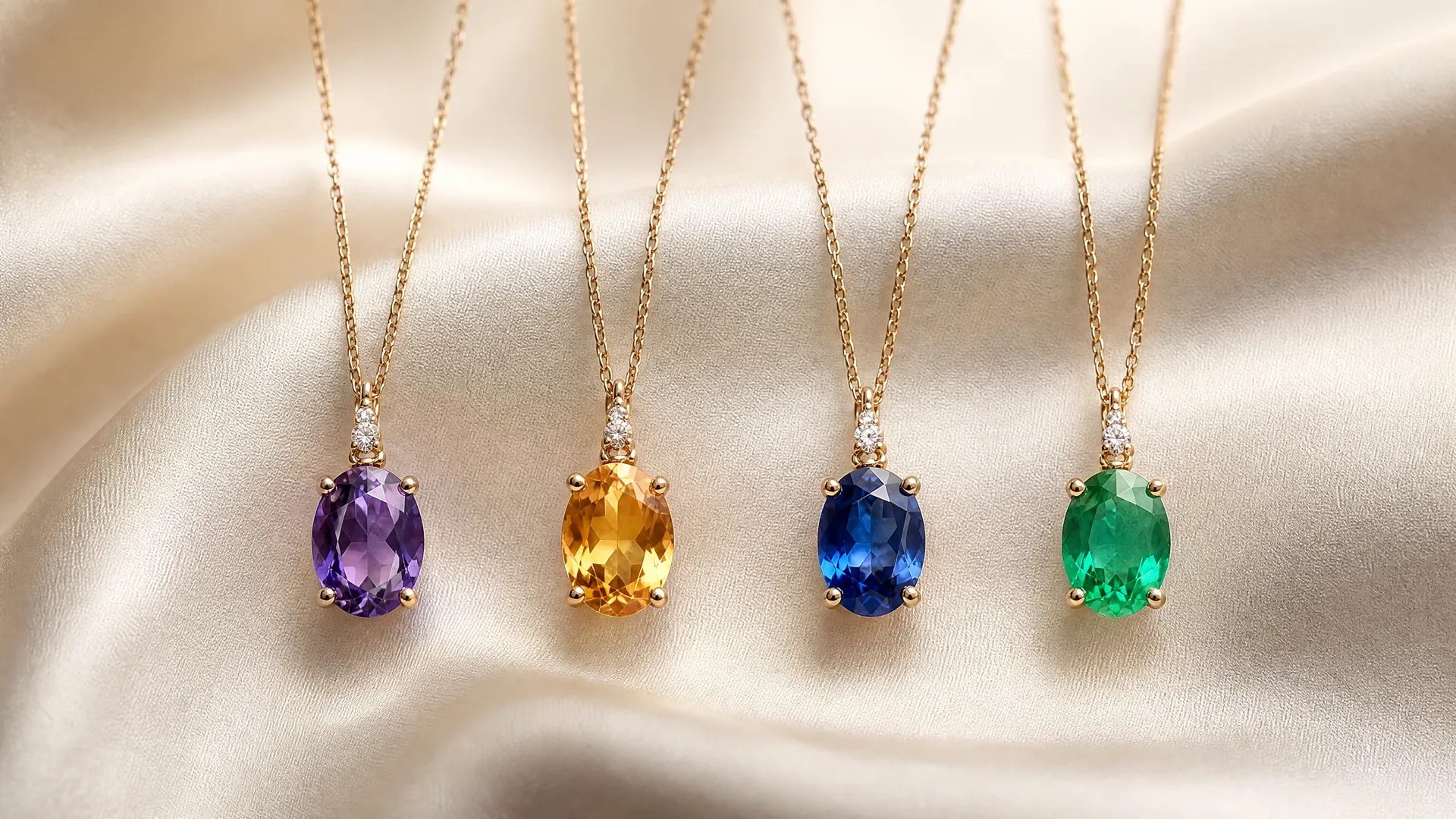
The lariat breaks the first rule of necklaces: it has no clasp. One end of the chain threads through a ring, stone, or stationary drop, and gravity does the closing. The result is the Y shape — two lines framing the collarbone and one line dropping down the sternum — and that geometry is the most flattering line in necklace design: it draws the vertical axis down the body, lengthening whatever it is worn on.
Quick Answer: Reading the Form - **Classic lariat:** chain through a fixed point, ends drop free — the Y, adjustable by sliding the drop - **Station lariat:** beads or stones fixed along the descending line — reads dressier, stays put - **Drop lariat:** a pendant terminates the Y — the most directional version, needs a straight neckline - **Neckline pairing:** the Y needs open space below the collar — crews, boats, Vs, strapless; turtlenecks defeat it entirely
The vertical line is the entire value proposition. Horizontal necklaces frame; the lariat extends. On shorter necks it adds apparent length; on open necklines it fills the sternum space that chokers and princess chains leave empty; layered with shorter pieces it supplies the third, longest tier automatically — the lariat IS the bottom rung of a layering ladder, no separate 24-inch chain required.
Adjustability is the hidden practical win: sliding the drop up or down changes the necklace silhouette and the neckline it suits, which is why one decent lariat covers more outfits than any single fixed-length piece. The counterweight honesty: free-dropping ends move, swing, and occasionally find their way into zippers and seatbelts. Station lariats solve it by fixing the stones along the line; wearers who fidget will prefer them within a week.
The format loves stones at the terminal points — the eye follows the Y to its ending, so the drop stone is the sentence's final word. Our Starlight cascade necklace is the drop lariat philosophy in pavé form, the birthstone drop necklace is the single-stone terminal version in all twelve months, and the full length ladder is mapped in our layered necklace guide.
Frequently asked.
What exactly is a lariat necklace?
A necklace with no clasp: one end of the chain threads through a ring, stone, or fixed drop, and the two ends fall free, forming a Y shape. Gravity holds it closed. The sliding drop makes the length adjustable — one lariat covers more necklines than any fixed-length necklace.
Does a lariat necklace suit every neckline?
It needs open space below the collarbone: crew necks, boat necks, V-necks, and strapless all work beautifully. Turtlenecks and high collars defeat the Y entirely — the drop has nowhere to fall. The rule of thumb: if the collarbone is visible, the lariat works.
Why do lariat necklaces make necks look longer?
The Y shape draws a vertical line down the body from the throat — vertical lines extend, horizontal lines frame. The two upper arms of the Y point down and inward toward the drop, focusing the eye downward instead of side to side. It is the most reliably lengthening line in necklace design.
Do lariat necklaces fall apart or tangle?
Free-dropping ends swing and can catch on zippers or seatbelt edges — that is the honest trade for the adjustable Y. Station lariats, with beads fixed along the descending line, stay put and solve the problem for daily wear. Store any lariat hanging or flat, never crumpled, and the chain stays kink-free.
How do you layer a lariat with other necklaces?
Put the lariat on last and let it be the longest tier — a choker or 16-inch chain plus a princess-length pendant plus the lariat Y completes the classic three-height ladder automatically. Keep the other layers quiet so the Y stays the story, and let the drop stone echo one color from the shorter pieces.
Related Articles
A Brief History of Birthstones
From the twelve tribes of Israel to the 1912 standard that rules the modern list — the 3,500-year origin story of why we wear our birth month.
Read MoreThe Ultimate Birthstone Cleaning Guide
Keep every piece in your collection gleaming. Step-by-step methods for gold, silver, and delicate birthstones — no harsh chemicals needed.
Read MoreBirthstone Energy: A Complete Crystal Healing Guide
From root chakra grounding to crown chakra clarity, discover how each birthstone carries healing energy. Learn to activate your crystal for meditation, sleep, and daily intention.
Read More