Layered Necklace Guide: The Length Ladder That Makes It Work
Layering fails without a plan and sings with one: the 16-18-20 ladder, one pendant rule, and how to mix chains without tangling three necklaces into one.
Yueounb Editorial
Style Editor
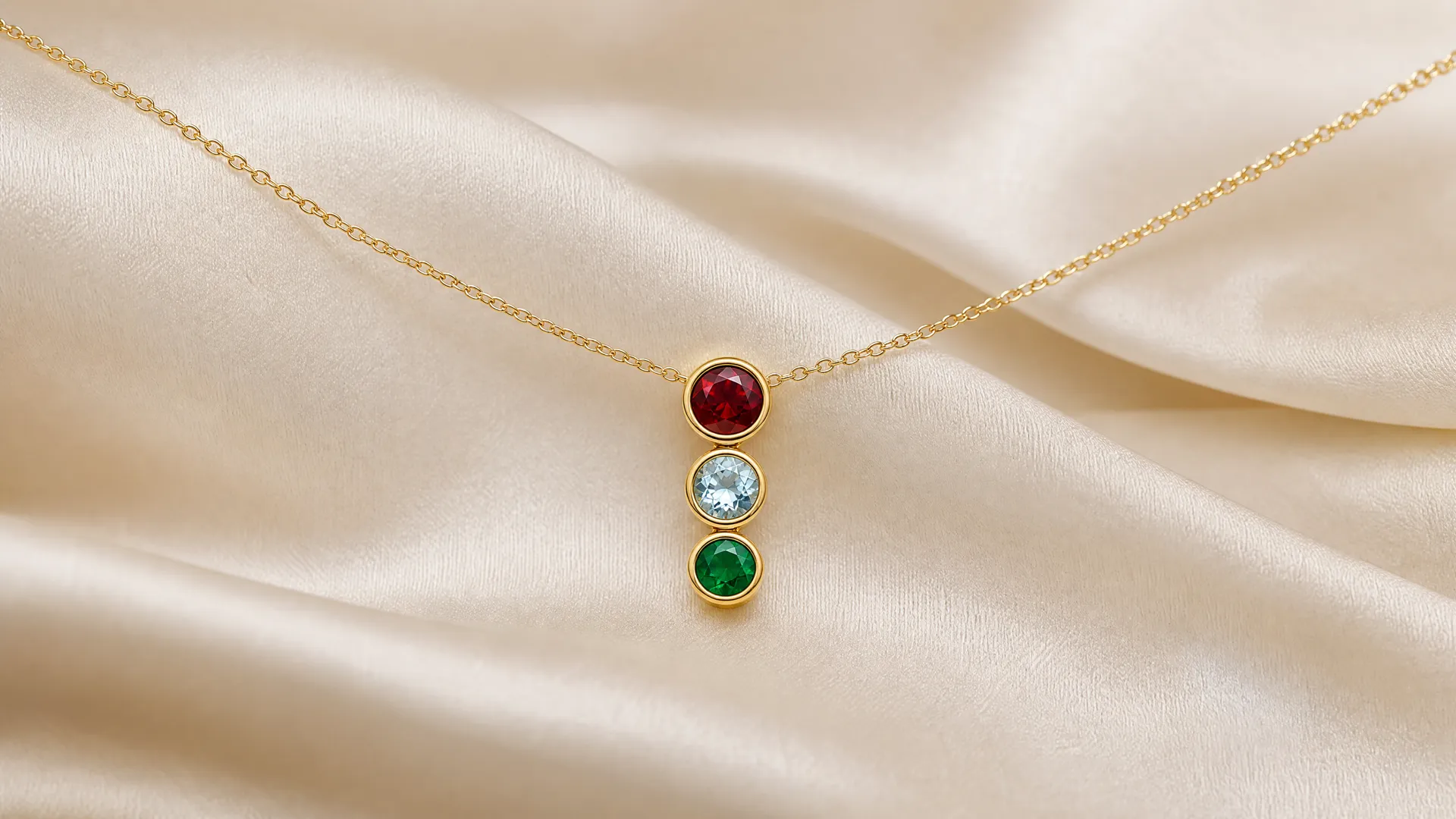
Layered necklaces look effortless in photographs and chaotic in real life — the difference is almost always the length ladder. Random lengths tangle; deliberate two-inch steps stack. The base formula that never fails: a choker-class chain at 14-16 inches, a pendant at 18 (princess length), and a long line at 20-24. Three heights, three jobs, zero knots when the spacing holds.
Quick Answer: The Layering Rules - **The ladder:** 16 / 18 / 20+ inches — two inches of separation minimum per layer - **The pendant rule:** exactly ONE pendant per stack; the other layers stay plain or texture-only (herringbone, rope, curb) - **Metal mixing:** two metals is style, three is noise — silver + gold is the proven pair - **Weight order:** heaviest gauge at the longest length, finest at the choker — gravity settles them apart naturally
Chain texture is the underused variable: a stack of three plain round chains reads flat, but plain + herringbone + rope reads rich even with zero pendants. Texture also fights the tangle problem — different chain weights and link shapes catch each other less than identical chains do. For daily layers, a clasp-at-the-nape connected layer (or a ready-made multi-strand piece) trades a little flexibility for a lot of untangling.
What hangs on the pendant layer decides the outfit: a birthstone pendant makes the stack personal (whose month, which person), an initial makes it about a name, a small cross or star makes it symbolic. The birthstone necklaces collection was built as pendant-layer inventory — every month, bezel-set, chain-ready — and the zodiac birthstone necklace does double duty as the symbolic layer. For how pendant heights change the neckline they flatter, the per-stone guides on that hub cover it stone by stone.
Neckline arbitration, last: crews and boat necks take the fullest three-layer stacks; V-necks want the pendant layer falling inside the V; turtlenecks only take the long line at 24+ inches. And the pocket rule every layered veteran learns: count clasps before leaving the house. Three necklaces, three clasps, one neck — checking takes two seconds and saves the ten-minute mirror untangle.
Frequently asked.
How do you layer necklaces without tangling?
Three defenses: keep two inches of length between layers (16/18/20), vary the chain types (plain, herringbone, rope catch each other less than identical chains), and wear the heaviest chain longest so gravity separates the stack. Ready-made multi-strand necklaces or connector clasps solve it permanently at the cost of flexibility.
What necklace lengths should I layer?
The ladder: 14-16 inches (choker class), 18 inches (princess pendant), 20-24 inches (long line). Two inches minimum between layers — equal lengths are what create tangles and visual mush. Most wardrobes only need one stack built once, then worn as a unit.
Can you mix gold and silver necklaces?
Yes — two metals is the proven pairing and reads intentional; three metals reads accidental. Keep one metal dominant (two of three layers) and let the second metal appear once. Match your earring and bracelet metals to the dominant layer so the whole story agrees.
How many necklaces should you wear at once?
Three is the classic full stack (choker, pendant, long line). Two is the daily version for smaller necklines. Four-plus only works with a connected multi-strand piece, because four free-moving chains tangle regardless of skill.
What pendant works best in a layered stack?
Exactly one pendant per stack, on the 18-inch layer, sized 6-14mm — a birthstone, an initial, or a small symbol. Every additional pendant turns the stack into competition; the plain and textured layers exist precisely to frame the one that matters.
Related Articles
A Brief History of Birthstones
From the twelve tribes of Israel to the 1912 standard that rules the modern list — the 3,500-year origin story of why we wear our birth month.
Read MoreThe Ultimate Birthstone Cleaning Guide
Keep every piece in your collection gleaming. Step-by-step methods for gold, silver, and delicate birthstones — no harsh chemicals needed.
Read MoreBirthstone Energy: A Complete Crystal Healing Guide
From root chakra grounding to crown chakra clarity, discover how each birthstone carries healing energy. Learn to activate your crystal for meditation, sleep, and daily intention.
Read More