Tennis Necklace Guide: The Statement That Moves Like Water
A tennis necklace is a full circle of stones — the bracelet' grander sibling. Length choices, stone counts, the clasp that matters most, and when to wear one.
Yueounb Editorial
Jewelry Expert
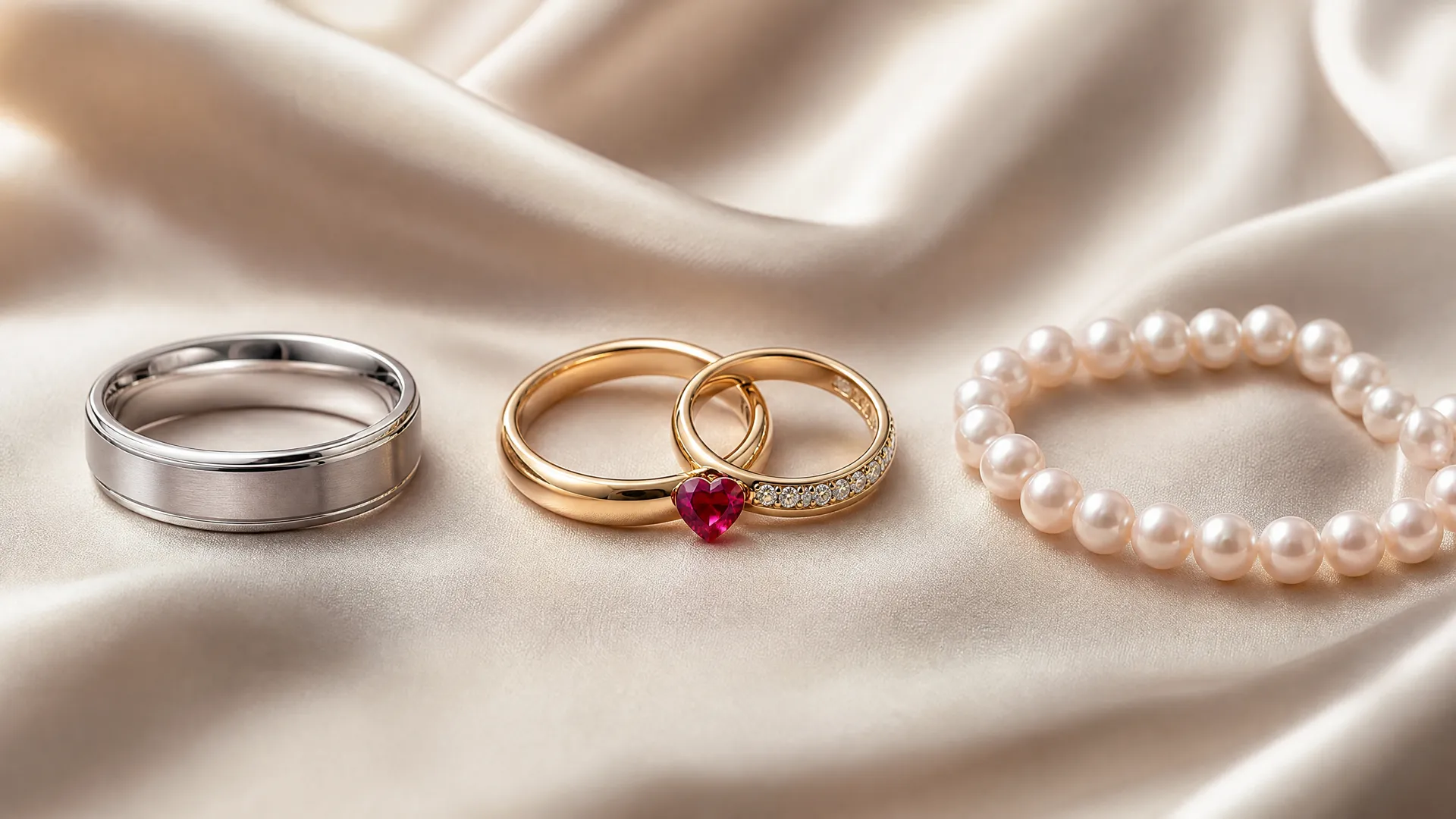
The tennis necklace is the bracelet turned up to orchestra volume: a single continuous line of stones circling the whole neck. It shares the 1987 origin story — the flexible channel setting named after a famous tennis-match bracelet stop — and the same engineering logic: each stone set in its own pocket of a line that moves like liquid against the skin. Around the throat, that movement is the entire show.
Quick Answer: Length and Fit - **Choker-length (15-16in):** sits high, reads boldest — the red-carpet position - **Princess (17-18in):** the everyday statement position, pendant-free by design (the necklace IS the pendant) - **Matinee (20in):** drama length over clothing — works over crew necks and turtlenecks - **Fit:** the line should rotate freely when pushed, never lock in place — a stiff tennis necklace is badly made
Stone math for buyers: count versus carat. A 16-inch necklace at 3mm stones runs roughly 130 stones; at 4mm about 100. Smaller stones read as one shimmering band (the classic effect); larger stones read as individual points of light (the modern effect). There is no wrong answer, but mixing sizes within one line is the actual wrong answer — graduated tennis lines from discount sources read as flaws, not design.
The clasp is the whole reliability question: a tennis necklace carries dozens of settings and one failure point — the closure. Double-locking box clasps with figure-eight safeties are the standard for a reason; a spring-ring clasp on a tennis line is a warning sign at any price. Inspect the clasp before the stones: the stones are covered by setting inspection, but nobody examines the clasp until the day it opens over a sidewalk.
Wearing logic: a tennis necklace is a complete decision — no pendant, no competing choker, quiet earrings at most. It replaces the statement earring as the room's light source. For the format at wrist scale (its more wearable sibling), the garnet tennis bracelet carries thirteen to seventeen stones in 18K vermeil with certificates; the birthstone bracelets collection frames the wrist formats; and how these flexible lines behave over years of daily wear is covered in the bracelet guides on that hub.
Frequently asked.
What is a tennis necklace?
A necklace built as one continuous line of individually set stones in a flexible channel — the necklace-scale version of the tennis bracelet, which got its name when a 1987 US Open match stopped to find a player broken diamond line bracelet. The defining trait is fluid movement: the line should pour, not lie stiff.
What length tennis necklace should I buy?
Seventeen to eighteen inches (princess length) is the versatile standard — it sits at the collarbone hollow and works bare-neck or over crews. Fifteen to sixteen reads boldest (the high red-carpet position); twenty-plus is drama length built for clothing. The line should rotate freely on the neck at whatever length you choose.
How many stones are in a tennis necklace?
Depends on stone size and length: a 16-inch line runs roughly 130 stones at 3mm or about 100 at 4mm. Smaller stones blend into one shimmering band; larger stones read as distinct points of light. Choose one effect — mixing sizes within a line is how flaws hide.
Can a tennis necklace be worn every day?
A well-made one, yes — the channel setting protects each stone' edges, which is the format' entire engineering point. Daily wear is about the clasp: insist on a double-locking box clasp with a figure-eight safety, and have the clasp checked yearly. The stones will outlast several lifetimes of wear.
Tennis necklace vs pendant necklace — which is more versatile?
The pendant, easily — it layers, dresses up and down, and costs a fraction. The tennis necklace is a statement piece: worn alone, it replaces every other necklace in the room. Most wardrobes hold one pendant for every day and consider a tennis line for the occasions that deserve one.
Related Articles
A Brief History of Birthstones
From the twelve tribes of Israel to the 1912 standard that rules the modern list — the 3,500-year origin story of why we wear our birth month.
Read MoreThe Ultimate Birthstone Cleaning Guide
Keep every piece in your collection gleaming. Step-by-step methods for gold, silver, and delicate birthstones — no harsh chemicals needed.
Read MoreBirthstone Energy: A Complete Crystal Healing Guide
From root chakra grounding to crown chakra clarity, discover how each birthstone carries healing energy. Learn to activate your crystal for meditation, sleep, and daily intention.
Read More