Halo Rings: The Optical Illusion That Doubles Your Diamond
A halo is a fence of tiny stones around a center gem — and it makes the center look up to half a carat bigger. The math, the styles, and the honest trade-offs.
Yueounb Editorial
Gemology Researcher
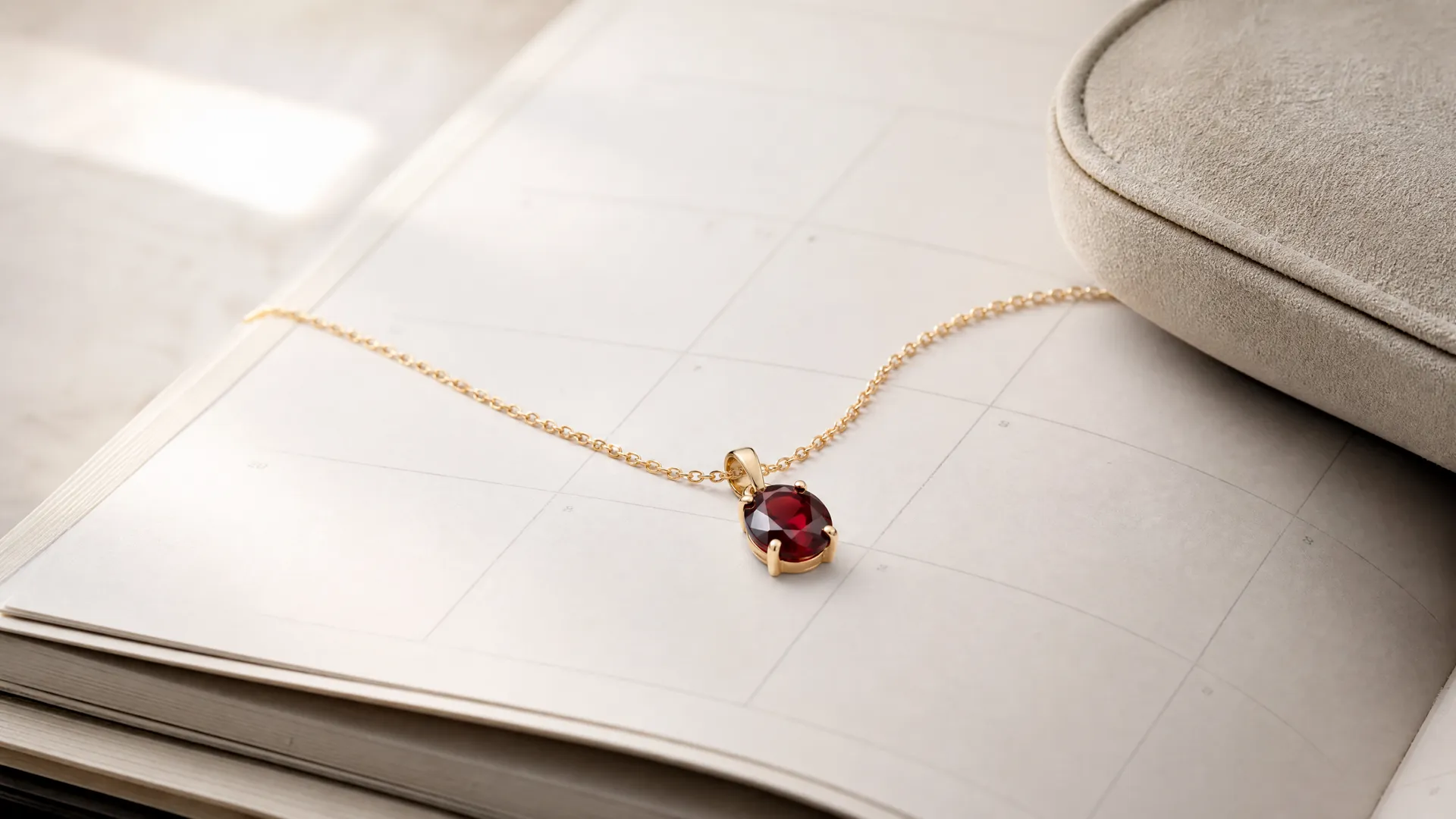
The halo setting is jewelry's most successful optical trick: a ring of small stones set tight around a center gem, creating a single blended bloom of light. The center stone does not change — the perceived size does, routinely reading a half-carat larger. In an industry where visual carat costs real money per fraction, the halo is the honest cheat code: it buys presence with craftsmanship instead of carat weight.
Quick Answer: Halo Styles - **Classic halo:** single ring of pavé or micro-pavé around the center — the size-illusion standard - **Double halo:** two concentric rings — maximum bloom, busier read, more daily-knock surface - **Hidden halo:** set beneath the center stone, visible only from the side — the secret-agent version, for people who want the effect without the announcement - **Colored halo:** contrast stones (dark around light) — reads as design statement, shrinks the illusion effect
The physics of the illusion: the halo works because the human eye reads the entire bloom as one stone. Small stones at 1-2mm catch light in the same flicker frequency as the center, so at conversational distance the boundaries dissolve. A 1-carat center in a halo presents the silhouette of a 1.5-carat solitaire — the eye cannot un-see the total, which is precisely the point and precisely honest, because nothing is hidden: the listing says 1 carat, the design says more.
The trade-offs deserve equal honesty. Halos add small stones at the ring's widest point — the surface most likely to meet doorframes, weights, and pockets. A broken pavé stone is a repair, not a catastrophe, but it is a real maintenance consideration for hands that work hard. Second: halos complicate resizing (stones around the band on full pavé shanks), so size deliberately. Third: the blended bloom slightly softens the center stone own identity — a Burmese ruby in a halo reads as a bloom of red, not as THE ruby; collectors of a specific stone often prefer the bare solitaire stage.
The format pairs beautifully with birthstone jewelry because it solves the small-stone problem: month stones in modest sizes bloom into statement pieces when haloed. Our emerald clover ring is the halo philosophy applied to a luck shape, birthstone rings carries halo-friendly silhouettes, and the family tree necklace multiplies the same clustered-light effect at the collarbone.
Frequently asked.
Does a halo really make a diamond look bigger?
Yes — the ring of small stones dissolves into the center at conversational distance, and the eye totals the bloom as one stone. A 1-carat center in a classic halo presents the silhouette of roughly a 1.5-carat solitaire. The listing stays honest (1 carat); the design multiplies perceived size through optics, not misrepresentation.
What is a hidden halo?
A halo set beneath the center stone girdle, invisible from above and revealed only from the side profile. It adds sparkle and a secret without changing the top silhouette of the ring — the choice for wearers who love the halo effect but want the center stone to star from every straight-on view.
Are halo rings hard to maintain?
They add many small stones at the ring widest point, so they meet more knocks than solitaires. A loosened pavé stone is a routine repair, not damage to the center gem. Daily-wear halo wearers should have settings checked yearly — the same cadence as any pavé jewelry — and remove the ring for heavy work.
Can a halo be added to an existing ring?
Sometimes: jewelers can build a halo retrofit if the center stone sits with enough clearance, but the result rarely matches an original-integrated design, and the ring proportions can shift. If the halo look is the goal, a purpose-built halo ring usually costs less than a good retrofit and reads cleaner.
Do colored center stones work in halos?
Beautifully, with one honest trade: a same-color halo blends and blooms the color (more presence, less stone identity); a contrasting halo reads as a design statement but shrinks the size illusion. Blue sapphire in a white halo is the classic statement; ruby in a red halo is the maximum-bloom play.
Related Articles
A Brief History of Birthstones
From the twelve tribes of Israel to the 1912 standard that rules the modern list — the 3,500-year origin story of why we wear our birth month.
Read MoreThe Ultimate Birthstone Cleaning Guide
Keep every piece in your collection gleaming. Step-by-step methods for gold, silver, and delicate birthstones — no harsh chemicals needed.
Read MoreBirthstone Energy: A Complete Crystal Healing Guide
From root chakra grounding to crown chakra clarity, discover how each birthstone carries healing energy. Learn to activate your crystal for meditation, sleep, and daily intention.
Read More