Ear Cuffs: The Piercing-Free Earring Revolution
Ear cuffs grip the ear cartilage with no hole required — the no-commitment earring. How they stay on, where they sit, and the modern ear-stack role.
Yueounb Editorial
Style Editor
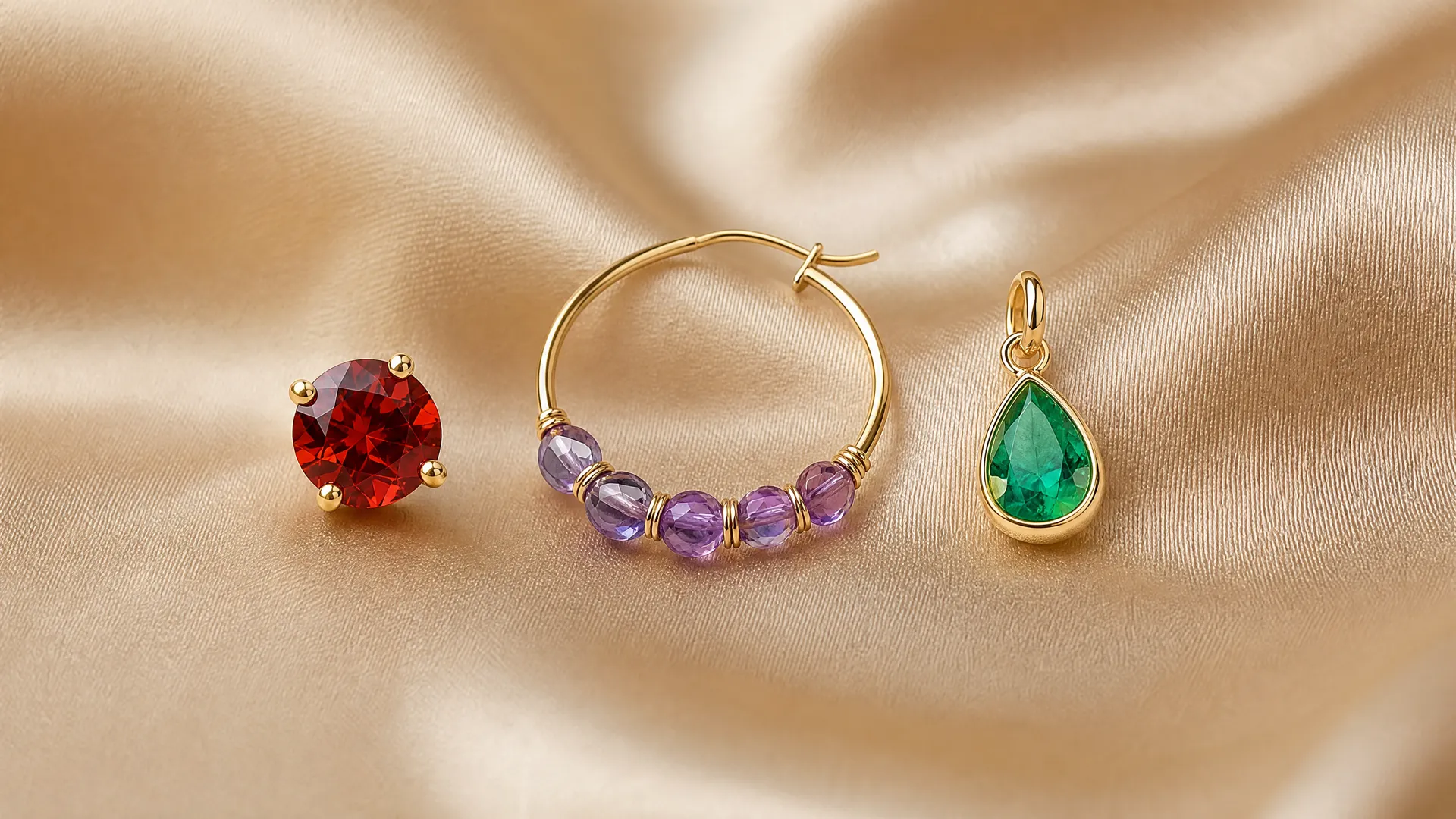
The ear cuff is jewelry for the commitment-averse: it grips the cartilage rim of the ear with engineered tension and needs no piercing. The format is old — gold coils appeared on ears millennia before piercing guns — but the modern revival comes from a specific collision: ear-stacking culture demands nine positions per ear, and no rational person pierces nine holes on speculation. The cuff supplies the look of the sixth through ninth earring, painlessly, reversibly.
Quick Answer: Placement and Physics - **Standard cuff:** grips the mid cartilage rim (the flat of the upper ear) — the no-piercing workhorse - **Helix cuff:** wraps the upper curl of cartilage — reads like a real helix piercing - **Crawler cuff:** starts at the lobe and climbs — the illusion of a row of piercings up the ear edge - **Fit physics:** a cuff stays by tension — slide on from the top of the ear, then pinch gently narrower until it holds with light pressure; too loose falls off, too tight aches within the hour
The honest fit protocol most first-timers miss: cuffs are fitted, not worn out of the box. Slide the cuff down from the thinnest part of the ear (the top) into position, then squeeze the cuff sides a few millimeters tighter until it sits with gentle constant pressure. A cuff that slides freely is a cuff that will be lost in a coat lining by Friday. A minute of adjusting buys months of wear.
In the modern ear stack, the cuff owns the upper ear while studs own the lobe: one or two studs below, a cuff mid-rim, optionally a crawler if the night deserves it. The stack rules stay the ones from our everyday earring logic — one clear statement per composition — but cuffs add the vertical dimension studs cannot reach. Metal matching matters more with cuffs than studs because they sit beside hair, where a color clash reads loudest.
Who they suit is almost everyone, with one caveat: cuffs and glasses arms share the same upper-ear real estate — wearers of heavy frames should place cuffs opposite the glasses side or choose slim profiles that coexist. Otherwise the format flatters every ear shape precisely because it follows the ear own architecture rather than hanging from one fixed point. The birthstone earrings collection and starlight studs pair as the lobe layer beneath.
Frequently asked.
Do ear cuffs stay on without a piercing?
Yes — they grip the cartilage rim by tension. The fit ritual matters: slide on from the thinnest top part of the ear into position, then pinch the cuff slightly narrower until it holds with gentle constant pressure. Fitted this way, a cuff survives coats, phone calls, and workouts; worn loose from the box, it is a lost earring within a week.
Do ear cuffs hurt or pinch?
A correctly fitted cuff applies light even pressure — noticeable for the first hour, forgotten by the second. Pain means the cuff is pinching a fold of skin or cartilage rather than gripping the flat rim: reposition it over the flat of the upper ear. Numbness or aching means too tight — widen it a millimeter.
Can you sleep in an ear cuff?
Better not to. Side sleepers press the cuff into the pillow for hours, which both deforms the tension and bruises the cartilage. The no-commitment format earns its keep by being removable — off at night, back on in five seconds. That habit also keeps the fit true for years.
How do ear cuffs fit into an ear stack?
They own the upper ear while studs own the lobe: one or two studs below, a cuff on the mid rim, a crawler for full-dress evenings. The cuff supplies the vertical reach that studs cannot, without a single additional piercing — the painless sixth-through-ninth earring of the modern stack.
Which ear should you wear a cuff on?
Whichever side you part your hair away from — the exposed ear gets the architecture. Glasses wearers should place cuffs opposite the frame arm or choose slim profiles that share the rim. Both ears cuffed reads intentional and editorial; one ear cuffed reads effortless. Both are current.
Related Articles
A Brief History of Birthstones
From the twelve tribes of Israel to the 1912 standard that rules the modern list — the 3,500-year origin story of why we wear our birth month.
Read MoreThe Ultimate Birthstone Cleaning Guide
Keep every piece in your collection gleaming. Step-by-step methods for gold, silver, and delicate birthstones — no harsh chemicals needed.
Read MoreBirthstone Energy: A Complete Crystal Healing Guide
From root chakra grounding to crown chakra clarity, discover how each birthstone carries healing energy. Learn to activate your crystal for meditation, sleep, and daily intention.
Read More