Necklaces for Women: The Three-Necklace Wardrobe That Covers Everything
Most women need exactly three necklaces — a daily pendant, a quiet chain, and one statement. Which three, in which order to buy them, and how to stop over-buying the first.
Yueounb Editorial
Style Editor
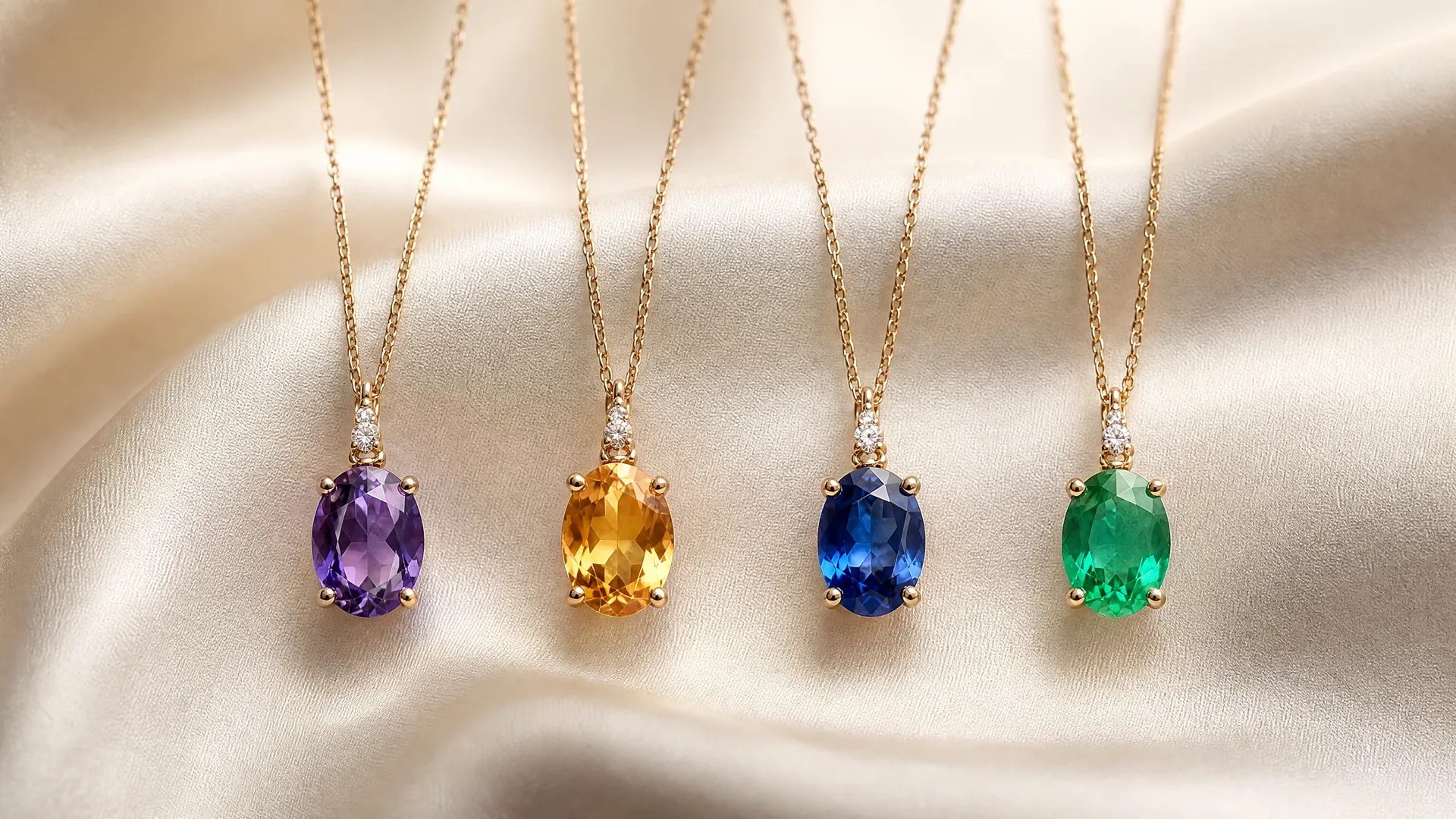
The necklace market is an over-choice machine — thousands of styles, one neck. But wardrobe math keeps proving the same small answer: three necklaces cover roughly every occasion a real life generates. One daily pendant (personal, worn 80 percent of days), one quiet chain (the layer-er and the formal-understudies), and one statement (the piece that IS the outfit). Everything else is a variation on one of those three jobs.
Quick Answer: The Three, in Buying Order - **1. Daily pendant (buy first):** 16-18 inch, one stone or symbol — a birthstone, an initial, a small heart; this piece gets worn until it feels like part of you - **2. Quiet chain (buy second):** plain herringbone or curb, 16 inches — layers under the pendant, wears alone to formal events where the pendant is too casual - **3. Statement (buy third, rarely):** tennis line, cascade, or bold charm piece — for the occasions that deserve one; worn twice a year and worth it both times
The daily pendant deserves the most thought because it absorbs the most wear: pick the personal element on purpose. Birthstone pendants lead the category for a structural reason — the month is a decision already made for you, and a stone keeps its meaning through decades of outfits (the birthstone necklaces collection inventories all twelve). The zodiac birthstone necklace doubles the personal layers — sign plus month on one pendant — and the per-stone guides on that hub tell you what each month's stone says when people ask.
Metal and neckline arithmetic, compressed: match the pendant metal to your other permanent jewelry (rings, watch) so the wardrobe agrees; wear pendant-length 18 inches with crews and boats, 16 with Vs and scoop necks. The chain you buy second should be one metal-tone quieter — thinner and simpler than anything it supports. Statement pieces follow occasion logic, not wardrobe logic — they are bought for the event, not the closet.
The anti-advice, last, because nobody says it: stop buying more daily pendants. Women accumulate seven pendants and wear one — the one that was chosen with a story rather than grabbed on sale. Budget the collection accordingly: real money on the daily piece, modest money on the chain, occasion money on the statement only when the occasion actually exists. Three necklaces, chosen properly, outperform thirty chosen randomly — the neck only has one storyline visible at a time anyway.
Frequently asked.
How many necklaces should a woman own?
Three covers a full life: a daily pendant (the 80-percent piece), a plain chain (layer-er and formal understudy), and one statement for occasions. The collection error is not owning too few — it is owning seven daily pendants while wearing one. Depth beats breadth at every budget.
What necklace should I buy first?
The daily pendant, and spend real time choosing it: 16-18 inches, one personal element — birthstone, initial, or small symbol. It absorbs the most wear and carries the most meaning; every later purchase orbits it. Birthstone pendants lead the category because the month is a decision already made.
What length necklace is most versatile for women?
Eighteen inches — it lands at the collarbone hollow, works with the most necklines, and layers both up and down. Sixteen inches flatters V and scoop necks specifically; twenty-plus is a deliberate look, not a default. If a wardrobe holds exactly one pendant, it should be 18.
Can I wear the same necklace every day?
Yes — that is what the daily pendant is for. Bezel-set stones and solid or vermeil metals handle continuous wear; take it off for the gym, the pool, and sleep (chain links fatigue over years, not days). A well-made daily pendant is designed for exactly this life.
How do I choose between a birthstone and an initial pendant?
Birthstone says the person (their month, their story); initial says the name. The tiebreaker is who chose it: self-purchases split evenly, gifts from partners lean initials, gifts from mothers and grandmothers overwhelmingly lean birthstones — one stone per person is the family format.
Related Articles
A Brief History of Birthstones
From the twelve tribes of Israel to the 1912 standard that rules the modern list — the 3,500-year origin story of why we wear our birth month.
Read MoreThe Ultimate Birthstone Cleaning Guide
Keep every piece in your collection gleaming. Step-by-step methods for gold, silver, and delicate birthstones — no harsh chemicals needed.
Read MoreBirthstone Energy: A Complete Crystal Healing Guide
From root chakra grounding to crown chakra clarity, discover how each birthstone carries healing energy. Learn to activate your crystal for meditation, sleep, and daily intention.
Read More