Sterling Silver Jewelry Guide: Why 925 Runs the Everyday Wardrobe
Sterling silver is 92.5 percent silver by law — the hardest-working metal in jewelry. Why it tarnishes, how ten seconds of care undoes it, and when silver beats gold.
Yueounb Editorial
Jewelry Expert
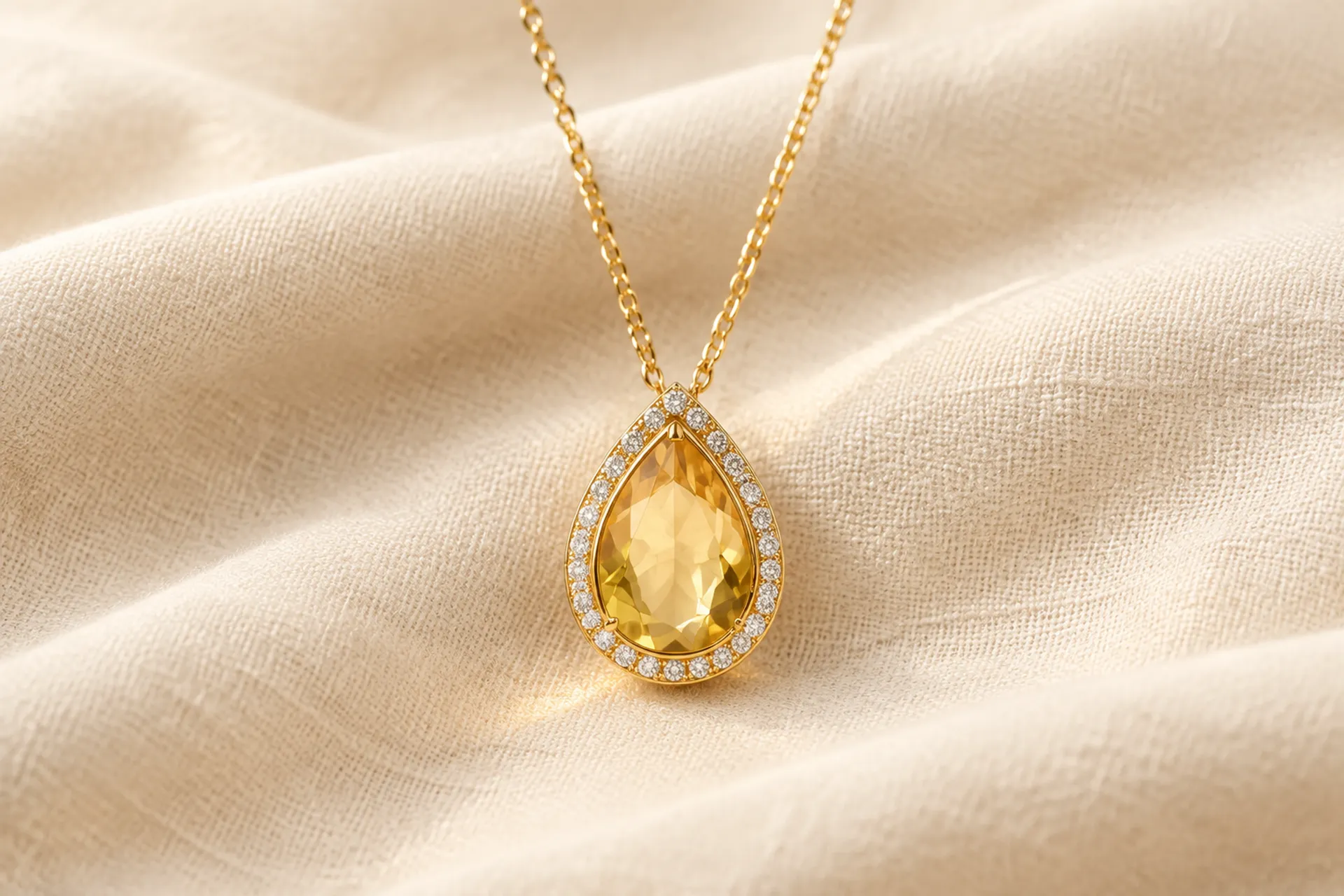
Sterling silver is a legal definition, not a vibe: 92.5 percent pure silver, 7.5 percent copper, stamped 925. Pure silver is too soft to survive a wrist — the copper is what makes the metal hold a clasp, a hinge, and a prong for decades. That alloy is why silver runs the everyday wardrobe of more jewelry owners than any other metal: real metal durability at a fraction of gold's price.
Quick Answer: The Silver Facts - **The stamp:** 925 means 92.5 percent silver — the legal line for sterling worldwide - **Tarnish truth:** silver darkens from sulfur in air (not from your skin being wrong); the patina wipes off in seconds - **Care kit:** a polishing cloth does 95 percent of the work; anti-tarnish strips in the box do the rest - **Skin:** most wearers react to nickel, not silver — 925 contains only trace nickel and suits the vast majority
The tarnish conversation is where silver loses people unnecessarily: the darkening is silver sulfide, a surface film from airborne sulfur (city air, wool, eggs, some lotions accelerate it). It is not damage, not a defect, and not permanent — a two-dollar polishing cloth returns full white in under a minute. Jewelry that lives in rotation tarnishes slower than jewelry in a drawer; worn silver stays polished by simple friction.
Silver versus gold is a practical decision more than a money decision: silver's cool white flatters rose and olive skin tones and reads crisp against denim and gray; gold's warmth flatters golden undertones and reads richer against cream and camel. The modern answer is both — one metal dominant, the other appearing deliberately — and silver's price lets the everyday pieces be silver while the heirloom budget concentrates on gold. Our entire sterling silver bracelet collection runs on 925 (with 18K vermeil on the garnet tennis line — thick gold over a sterling core, the honest way to wear gold daily), and the ring collection explains the metal logic ring by ring.
Buying checklist for silver that lasts: stamped 925 (no stamp, no sale), solid or vermeil construction rather than flash plating (plated means microns of gold-colored metal over brass — it is not silver underneath and does not age like it), lobster clasps over fishhooks, and weight you can feel. Silver's density is part of the value — a real 925 chain has heft that fakes cannot counterfeit cheaply. Cared for at the level of a polishing cloth twice a year, sterling silver pieces routinely outlive their owners; museum cases full of centuries-old silver make the durability argument better than any warranty.
Frequently asked.
What does 925 mean on jewelry?
It is the legal sterling standard: 92.5 percent pure silver, 7.5 percent (usually) copper. Pure silver is too soft for clasps and prongs — the copper alloy is what lets silver survive decades of wear. No 925 stamp on a silver-priced piece is a walk-away signal in most markets.
Why does sterling silver tarnish, and is it damage?
Tarnish is silver sulfide — a surface film formed when silver meets sulfur in the air. It is not damage, not a defect, and not caused by wrong skin; it wipes off with a polishing cloth in seconds. Pieces worn regularly tarnish slower than pieces sitting in drawers, and anti-tarnish strips in storage hold it off for years.
Is sterling silver good for sensitive skin?
For the vast majority, yes — skin reactions are usually to nickel, and 925 sterling contains only trace amounts. Truly reactive ears and wrists sometimes still choose higher-silver or gold alternatives, but 925 is the standard everyday hypoallergenic choice, which is why it owns the entry fine-jewelry market.
What is the difference between silver, sterling silver, and silver-plated?
Silver means the element; sterling means the 92.5 percent alloy that jewelry is actually made from; plated means a thin silver-colored film over a base metal — the coating wears through in months and there is no meaningful silver content. Sterling and vermeil (thick gold over solid sterling) are real-metal constructions; plating is a finish.
When should I choose silver over gold?
Practically: for everyday pieces, stacks, and anything that takes knocks — silver delivers real metal at a fraction of gold' price, so wear-and-tear anxiety stays low. Aesthetically: silver' cool white flatters rose and olive undertones and reads crisp against gray, denim, and black. Most wardrobes run silver daily and concentrate gold budget on heirloom pieces.
Related Articles
A Brief History of Birthstones
From the twelve tribes of Israel to the 1912 standard that rules the modern list — the 3,500-year origin story of why we wear our birth month.
Read MoreThe Ultimate Birthstone Cleaning Guide
Keep every piece in your collection gleaming. Step-by-step methods for gold, silver, and delicate birthstones — no harsh chemicals needed.
Read MoreBirthstone Energy: A Complete Crystal Healing Guide
From root chakra grounding to crown chakra clarity, discover how each birthstone carries healing energy. Learn to activate your crystal for meditation, sleep, and daily intention.
Read More