Is Birthstone Jewelry Legit? Real vs Glass, Explained
Yes, birthstone jewelry is legit — and five practical checks separate real gemstones from glass and dye before you buy. What legit actually means in gemology.
Yueounb Editorial
Jewelry Expert
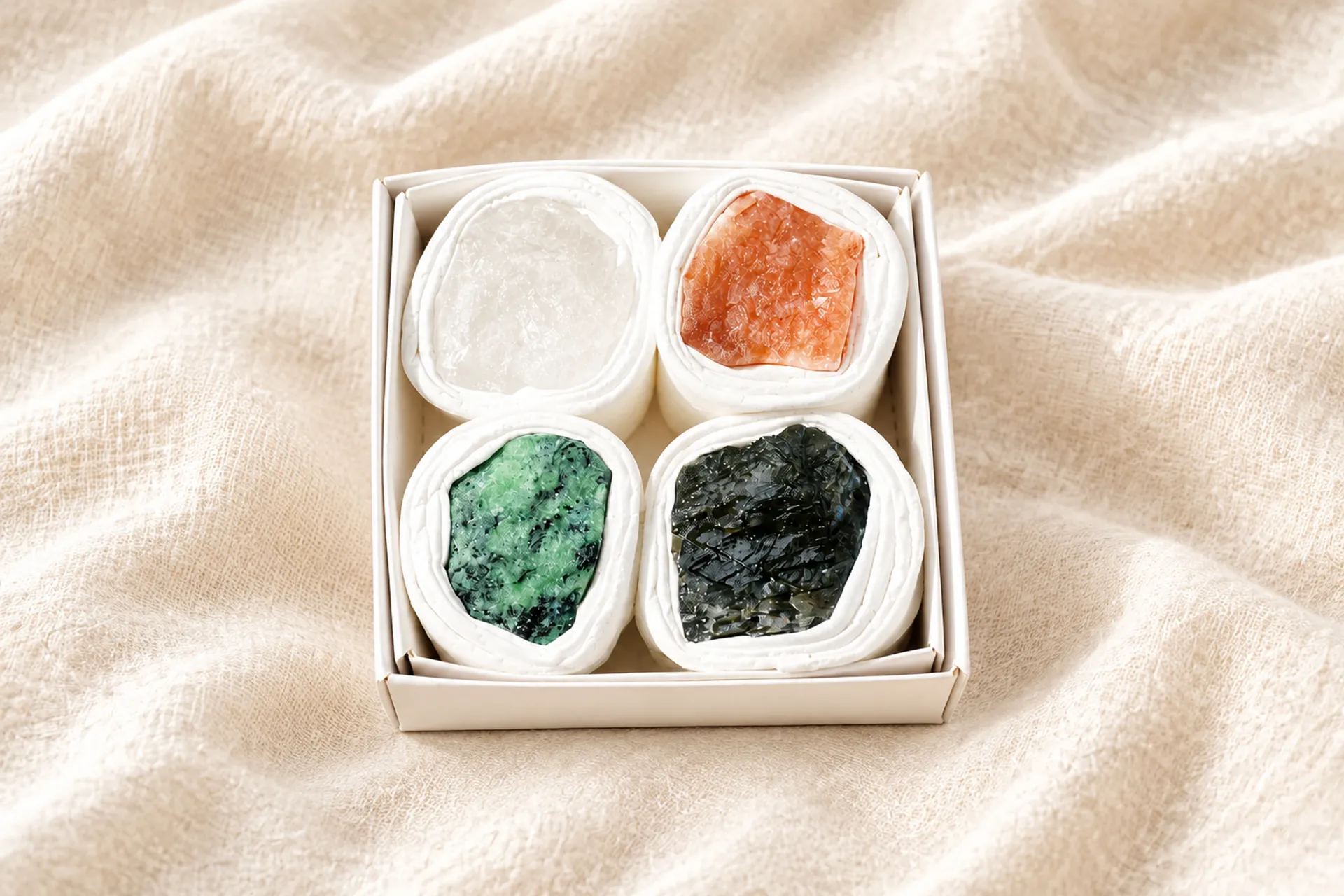
Yes, birthstone jewelry is legit—the vast majority of retailers — and our own making standards, from independent designers to major brands, sell genuine gemstone pieces. The catch is that "genuine" covers a wide range: natural stones, lab-grown stones, and legitimate treated stones all coexist in the market alongside occasional glass imitations. Knowing what to ask (and what a fair return policy looks like) is your real protection. glass-vs-gem distinctions are documented in GIA's Gem Encyclopedia
Quick Answer: How to Spot Legit Birthstone Jewelry
- Real gemstones have inclusions. Natural amethyst, garnet, or emerald viewed under 10x magnification shows tiny imperfections. Glass imitations look too perfect or contain round bubbles. - Price sanity check. A "natural emerald" ring for $15 is almost certainly glass, composite, or lab material. Rough rule: natural precious-stone birthstones (emerald, ruby, sapphire, diamond, alexandrite) priced under costume-jewelry levels deserve scrutiny. - Treatments are normal—undisclosed treatments are not. Heat treatment in sapphire and aquamarine, and oiling in emerald, are industry-standard and legitimate when disclosed. Dye in lower-value stones is more fragile and should be stated. - Trust signals: a written return window (30+ days), clear stone descriptions ("natural," "lab-grown," "simulated"), and a named business with reachable support.
What Does Legit Actually Mean in Gemstones?
The birthstone tradition itself is genuine and centuries old, but the jewelry built around it spans several honest tiers—and one dishonest one.
Tier 1: Natural gemstones. Mined from the earth, cut and set. Your January garnet, March aquamarine (often heat-treated, which is standard and stable), or June pearl fall here. These are what most people picture when they hear "real."
Tier 2: Lab-grown stones. Chemically the same material as the natural gem—same hardness, same composition—just grown in a lab. Alexandrite (June's modern alternate) and opal are commonly lab-grown because the natural material is rare and expensive. Legit, if labeled. This is where honest disclosure matters most: "lab-created sapphire" is fine; a listing that just says "sapphire" for a lab stone at a lab price is a gray zone you shouldn't have to decode.
Tier 3: Simulants. Glass, cubic zirconia, or crystal standing in for a birthstone. Totally acceptable for everyday, budget-friendly designs—many people happily wear a CZ "April diamond"—when sold as what they are. A cubic zirconia honestly priced at $30 is more legit than a "natural diamond" fraudulently priced at $300.
The problem tier: dyed glass or quartz sold as natural gemstone, composite "assembled" stones, and undisclosed dye jobs that fade in sunlight. These are a small fraction of the market but they're why shoppers ask this question.
What Five Checks Spot Fakes?
1. Read the stone description word for word. "Simulated," "created," "lab," "glass," "crystal" all carry meaning. Absence of any descriptor is a yellow flag. 2. Know your month's treatment norms. Aquamarine and tanzanite are routinely heated (stable, permanent). Emerald is routinely oiled (needs gentler care). Dyed howlite passed off as turquoise, or dyed quartz as "ruby," are the fades-to-watch. For durability context on specific months, our month guides—like /birthstones/march or /birthstones/november—break down what's standard for each stone. GIA's guide to gem durability separates hardness from toughness 3. Do the temperature test at home (for loose or exposed stones). Glass and plastic feel warm quickly against your lip or cheek; real gemstones conduct heat and stay cool longer. Non-destructive, imperfect, but useful. 4. Check hardness expectations, not just "realness." A genuine pearl (June) or opal (October) is soft and needs care regardless of authenticity—real doesn't mean indestructible — the International Gem Society's Mohs chart lists every stone's hardness before finalizing] 5. Inspect the return policy before checkout. A 30-day return window is the single best consumer protection here, because it lets you take the piece to a local jeweler for verification.
Real Gemstone or Glass — How Do You Tell?
| Signal | Natural gemstone | Glass imitation |
| --- | --- | --- |
| Under 10x loupe | Inclusions, growth lines, uneven color | Round bubbles, swirl marks, flawless uniformity |
| Feel | Stays cool longer | Warms quickly |
| Facet wear | Crisp edges (most birthstones hardness 7+) | Rounded, chipped edges over time |
| Price | Matches stone type norms | Suspiciously cheap for the stone named |
| Weight | Consistent with the gem's density | Often lighter or oddly heavy |
Frequently asked.
Is birthstone jewelry made with real gemstones?
Mostly yes—but "real" spans natural, lab-grown, and simulant. Natural and lab-grown stones share the same physical properties; simulants (glass, CZ) only imitate appearance. All three are legitimate when accurately labeled, so read the product description's stone terminology before buying.
How can I tell if my birthstone is glass or dyed?
Look for bubbles or swirl marks under magnification (glass), unnaturally vivid, uneven color concentrated in cracks (dye), and a surface that stays warm rather than cool to the touch. For a definitive answer, any local jeweler can test the stone in minutes—often for free.
What return policy should legit birthstone jewelry have?
A minimum 30-day return window with a clearly stated refund process, and a named, reachable company (email plus response expectation, not just a contact form). Retailers confident in their gemstone descriptions stand behind them; vague or "final sale" policies on fine jewelry are a reason to shop elsewhere.
Related Articles
A Brief History of Birthstones
From the twelve tribes of Israel to the 1912 standard that rules the modern list — the 3,500-year origin story of why we wear our birth month.
Read MoreThe Ultimate Birthstone Cleaning Guide
Keep every piece in your collection gleaming. Step-by-step methods for gold, silver, and delicate birthstones — no harsh chemicals needed.
Read MoreBirthstone Energy: A Complete Crystal Healing Guide
From root chakra grounding to crown chakra clarity, discover how each birthstone carries healing energy. Learn to activate your crystal for meditation, sleep, and daily intention.
Read More