Birthstone Jewelry in Gold: Purity and Pairing
Choosing gold for birthstone jewelry means balancing purity, construction, and which stones suit warm metal. Solid versus filled versus plated, honestly compared.
Yueounb Editorial
Jewelry Expert
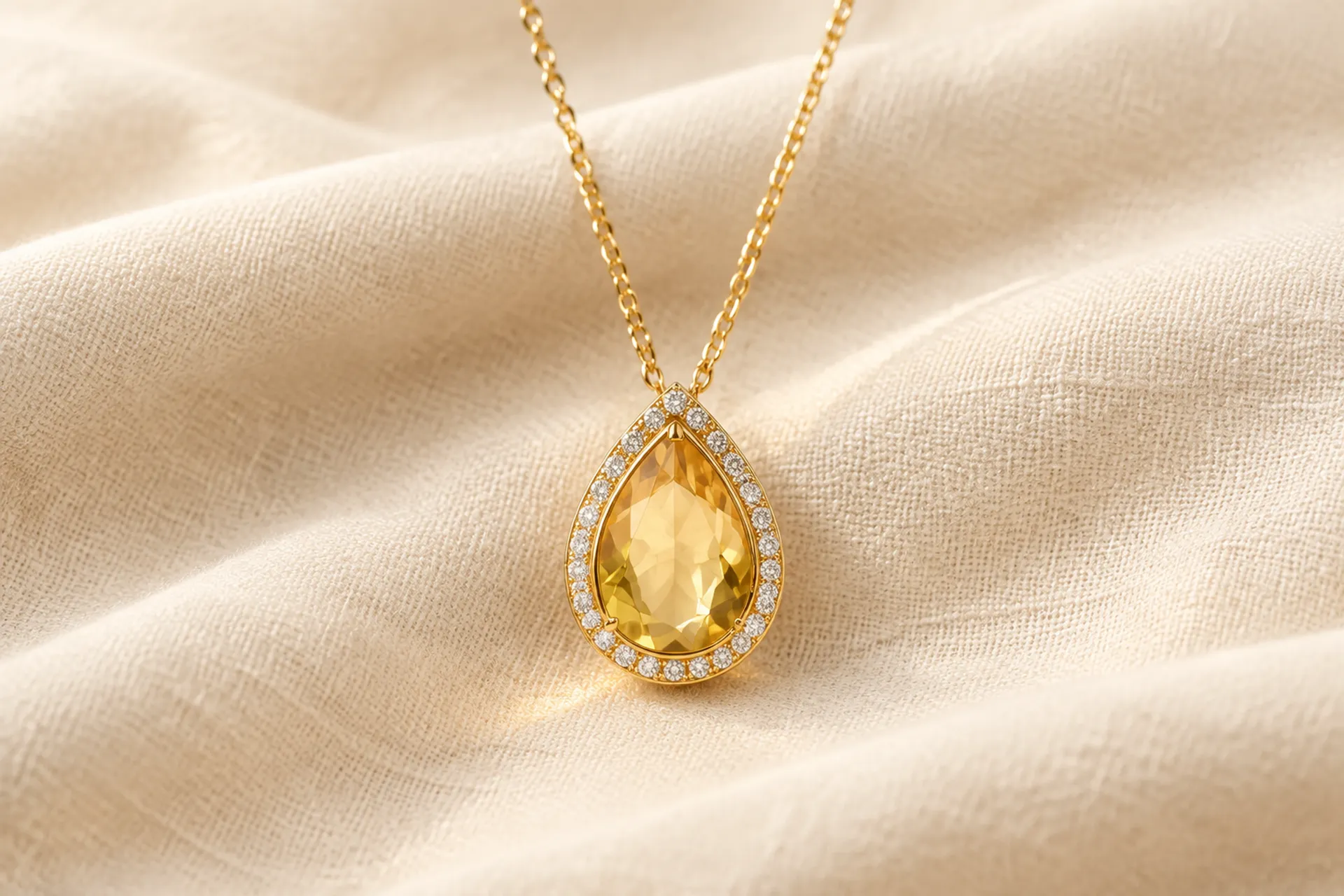
Choosing gold for birthstone jewelry means balancing three things: gold purity (10K–24K), construction (solid, gold-filled, or plated), and whether the stone can survive the heat of certain settings. For everyday birthstone pieces like rings and bracelets, 14K solid gold is the most practical choice; gold-filled offers a durable budget alternative; and soft or heat-sensitive stones such as opal, emerald, and pearl call for gentler setting styles in any gold grade.
Quick Answer
Which gold should you choose for birthstone jewelry? Solid 14K gold is the best all-around choice for rings and daily-wear pieces—it's durable, tarnish-resistant, and holds gemstones securely. Gold-filled is the best value alternative (a legally required 5% gold layer by weight, roughly 100x thicker than plating) and suits earrings and pendants well. Gold plating is the most affordable but wears through in months to a few years with regular use. Stones like diamond, sapphire, and ruby handle any gold setting; opals, emeralds, and pearls need protective settings and avoid the high-heat techniques some jewelers use.
What Do Gold Purity Levels Actually Mean?
Gold in jewelry is almost never pure—24K gold is soft and scratches easily, so it's alloyed with other metals. Here's how the common options actually differ:
| Option | Gold Content | Thickness/Weight Rule | Typical Lifespan (daily wear) | Best For |
| --- | --- | --- | --- | --- |
| 24K solid | 99.9% gold | — | Scratches easily; bends | Investment pieces, not daily birthstone jewelry |
| 18K solid | 75% gold | — | Decades with care | Special-occasion pieces, rich color |
| 14K solid | 58.3% gold | — | Decades | Everyday birthstone rings, bracelets |
| 10K solid | 41.7% gold | — | Decades; hardest alloy | Budget solid-gold, durable wear |
| Gold-filled | 5% gold by weight (FTC standard) | Mechanically bonded layer | Typically 10–30 years | Earrings, pendants, bracelets |
| Gold vermeil | Sterling silver + thick gold plating | Minimum 2.5 microns, 10K+ (FTC) | Years with care | Fashion-forward pendants |
| Gold-plated | Fraction of 1% gold | Electroplated, ~0.5–2.5 microns | Months to a few years | Trend pieces, occasional wear |
Two honest caveats: purity does not equal durability—lower karat gold is actually harder and more scratch-resistant because of the alloy metals, though higher karat gold resists tarnish slightly better and matters more if you have metal sensitivities (14K and up, or gold-filled, are common recommendations for sensitive skin). And "waterproof" marketing claims aside, all gold layers—solid included—look better lasting longer when removed before swimming and sleeping. karat standards are documented in GIA's Gem Encyclopedia
Which Birthstones Pair Best with Gold?
Gold flatters nearly every birthstone, but the stone's durability profile (hardness + toughness + stability) should drive your setting choice:
Worry-free in any gold setting (daily wear): - January garnet (Mohs 6.5–7.5), April diamond (10), September sapphire (9), July ruby (9), March aquamarine (7.5–8), November topaz (8, though note topaz's brittleness—hard but not tough, so a hard knock can cleave it), and December zircon (6–7.5, untreated blue zircon is more fragile than the numbers suggest). stone hardness context sits in the International Gem Society's Mohs chart
Beautiful in gold, but choose protective settings (bezel, halo, recessed): - February amethyst and other quartz (Mohs 7)—durable overall, but sudden heat can fade color in some stones. - June pearl (2.5–4.5 on Mohs) and June moonstone (6–6.5, with cleavage)—soft or brittle; gold's warmth complements them, but prong settings expose them to knocks. - October opal (5.5–6.5, high water content)—heat-sensitive and brittle; solid gold bezels are the classic protective choice. - May emerald (7.5–8 but typically heavily included, so poor toughness)—jagged inclusions make emeralds prone to chipping regardless of hardness; expect conventional oil treatment, which should be disclosed by any reputable seller. - August peridot (6.5–7)—sensitive to sudden temperature changes and acids. - December turquoise (5–6, commonly stabilized or dyed—ask about treatment) — soft and porous.
A note on treatments: many colored birthstones on the market are heated (sapphire, ruby, aquamarine, tanzanite), irradiated (some blue topaz), or dyed (turquoise, some quartz). None of these change how the stone pairs with gold structurally, but dye treatments can fade with prolonged sun and chemical exposure—relevant if the piece is an everyday ring.
How Do You Match Gold Grade to Stone Value?
A practical budget rule: match the gold to the stone. A 14K gold-filled pendant with a modest amethyst is a coherent value pairing; putting a fine untreated sapphire in plated gold means the setting will wear out long before the stone does—and replating costs add up. Conversely, solid 10K or 14K settings "earn their keep" on stones you plan to wear for years.
Karat color also interacts with stone color. Rose gold (gold + copper alloy) warms up morganite, tourmaline, and garnet; yellow gold deepens emerald and ruby; white-toned settings (14K white gold, often rhodium-plated—note the plating wears and needs reapplication) maximize the icy look of aquamarine, blue topaz, and diamond.
Frequently asked.
Is gold-filled birthstone jewelry good quality?
Yes, for its price. Gold-filled pieces contain a legally mandated minimum of 5% gold by weight, mechanically bonded to a brass core—far thicker than plating. It resists flaking and, with reasonable care, lasts many years. It's an excellent choice for birthstone earrings and pendants; for rings worn daily, solid gold holds gemstones more securely over the long run.
Can I wear gold birthstone jewelry every day?
It depends on the stone more than the gold. Solid 14K gold settings handle daily wear well. Stones like diamond, sapphire, ruby, garnet, and aquamarine are daily-wear appropriate. Opal, pearl, emerald, and turquoise birthstone pieces are better saved for occasional wear or set in protective bezels—and removed before washing up, swimming, or applying lotion.
Does gold plating ruin birthstone jewelry?
Not ruin, but it's a short-lived finish. Plated layers are a few microns thick and wear through with friction, exposing the base metal beneath (which can irritate sensitive skin). If you love a plated birthstone piece, treat it as a fashion item; if you want a keepsake, choose solid gold or gold-filled. --- Explore month-by-month stone details on our birthstones guides, or browse gold birthstone styles in the shop.
Related Articles
A Brief History of Birthstones
From the twelve tribes of Israel to the 1912 standard that rules the modern list — the 3,500-year origin story of why we wear our birth month.
Read MoreThe Ultimate Birthstone Cleaning Guide
Keep every piece in your collection gleaming. Step-by-step methods for gold, silver, and delicate birthstones — no harsh chemicals needed.
Read MoreBirthstone Energy: A Complete Crystal Healing Guide
From root chakra grounding to crown chakra clarity, discover how each birthstone carries healing energy. Learn to activate your crystal for meditation, sleep, and daily intention.
Read More