How to Clean Precious Stones: Diamond, Ruby, Sapphire, Emerald
The precious label predicts nothing about cleaning: diamond survives nearly everything while emerald, its category-mate, cannot even take an ultrasonic
Yueounb Editorial
Gemologist
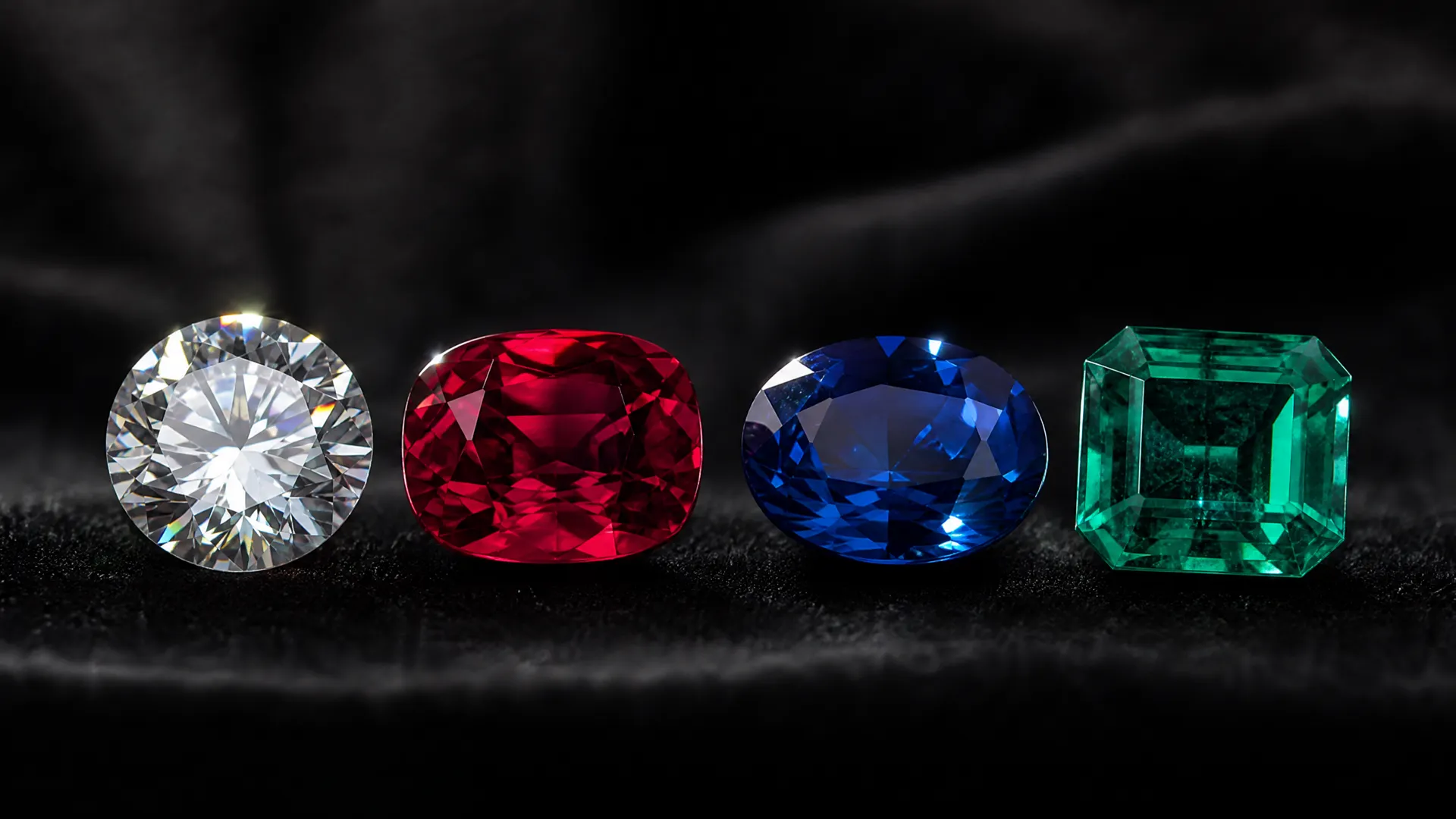
A small disclosure before the cleaning guide: precious stones — diamond, ruby, sapphire, emerald — is a category the trade invented and the U.S. Federal Trade Commission officially stopped endorsing in 2018, declining to define precious or semi-precious at all because the words have no agreed meaning and no bearing on value (tanzanite, filed under semi-precious by the old sorting, is far rarer than diamond). Why does that matter at a sink? Because the precious label also predicts nothing about cleaning. Two members of the club survive almost any sensible home method; one member is the most treatment-sensitive mainstream stone in jewelry. The label lied; the mineral facts did not — so here are the four, stone by stone, by treatment status.
Quick Answer: How to clean the four precious stones — |Stone|Warm soapy water + soft brush|Home ultrasonic|The exception that decides| |Diamond|Always safe|GIA advises against home machines — vibration loosens settings|Fracture-filled diamonds: soap and water only, always| |Ruby / Sapphire|Always safe|Usually safe untreated or heated|Filled, cavity-filled, dyed, or star stones: damp cloth only| |Emerald|Safe — brief and gentle|Never — vibration attacks fissure fillings|90%+ of emeralds are oiled; heat makes the oil sweat out| All four: never chlorine bleach, never ammonia, never toothpaste, never hot-to-cold shocks.
Diamond: the toughest clean in the box, with one landmine. Warm water, a drop of mild dish soap, a soft brush, a rinse, a pat dry — diamond is chemically indifferent to all of it, and even ammonia-based household cleaners, which the GIA permits for diamond, leave it unmoved. The landmine is treatment: fracture-filled diamonds — lead-glass-filled clarity enhancements — must never see an ultrasonic machine or even harsh solvents; the GIA has documented the damage. And a caution the GIA adds about home ultrasonic use generally: the vibration that cleans also loosens settings, which is why professionals check the prongs before the tank. The other three club members are less fortunate.
Ruby and sapphire: corundum forgives — unless someone filled it. Both stones, untreated or merely heated (heat is the norm — roughly ninety-five percent of blue sapphires, by common trade estimates), take warm soapy water without complaint and are usually listed as ultrasonic-and-steam safe. The exceptions come from the repair shop: fracture-filled, cavity-filled, or dyed corundum — lower-grade material improved with glass or dye — cleans with a barely damp cloth only, and even weak acids like lemon juice can damage the fillings. Star rubies and star sapphires are the other never-machine case: their asterism lives in inclusions that vibration can disturb. The practical translation: a certified, conventional ruby or sapphire is among the easiest stones you will ever own; a bargain stone with vague paperwork is the one to baby.
Emerald: the precious stone that cleans like the most delicate one. The reason is geology plus trade practice: the great majority of emeralds — commonly cited at ninety percent or more — reach the market with their natural fissures filled, traditionally with cedarwood oil. Warm soapy water, used briefly and gently, remains the safe routine; what never enters an emerald's life is the ultrasonic machine (vibration works on filled fissures), the steam cleaner (heat makes the oil sweat out), long soaks, and hot-to-cold temperature shocks. If your emerald's jeweler told you damp cloth only, that was not fussiness — it was the correct reading of the stone's biography.
Why the label never predicted any of this. What decides a cleaning method is three variables the precious category contains none of: hardness (scratch resistance), toughness (breakage resistance), and treatment status (what the trade did to the stone before you met it). Diamond is hard and tough but sometimes filled; emerald is hard-ish and fissured and almost always oiled; tourmaline, a semi-precious stone by the old sorting, is hard enough and still stays off the ultrasonic lists. Once you buy by mineral instead of by label, the whole cleaning question collapses into one habit: warm soapy water, a soft brush, and questions in writing about treatment — the answer that decides how the piece is cleaned for the rest of its life. For the full sixteen-stone chart and the procedures by jewelry type, the type-by-type cleaning guide carries the calendar; the household-products verdict list — vinegar, baking soda, and the rest of the kitchen — lives in our at-home cleaning guide.
Frequently asked.
Can I clean precious stones with vinegar or lemon juice?
No — and for filled stones it is worse than useless. Acids attack the fracture fillings in emeralds and treated corundum, and they etch several softer gems outright. Warm water, a drop of mild dish soap, and a soft brush clean all four precious stones safely; nothing sour belongs near them.
Is an ultrasonic cleaner safe for precious stones?
It depends on the stone and its treatments, not the precious label: untreated or heated ruby and sapphire are usually ultrasonic-safe; diamonds are usually safe but vibration loosens settings, which is why the GIA reserves machines for professionals; emeralds and any filled stone — including fracture-filled diamonds — never go in the tank. When treatment status is unknown, hand-washing loses nothing.
What is the safest way to clean emerald jewelry?
Brief warm soapy water with a soft brush, an immediate rinse, and a lint-free dry — nothing else. No ultrasonic, no steam, no long soaks, no temperature shocks: nearly all emeralds carry fissure fillings that vibration and heat damage. A jeweler's damp-cloth-only instruction for a particular stone is the correct conservative reading.
Related Articles
A Brief History of Birthstones
From the twelve tribes of Israel to the 1912 standard that rules the modern list — the 3,500-year origin story of why we wear our birth month.
Read MoreThe Ultimate Birthstone Cleaning Guide
Keep every piece in your collection gleaming. Step-by-step methods for gold, silver, and delicate birthstones — no harsh chemicals needed.
Read MoreBirthstone Energy: A Complete Crystal Healing Guide
From root chakra grounding to crown chakra clarity, discover how each birthstone carries healing energy. Learn to activate your crystal for meditation, sleep, and daily intention.
Read More