Best Gemstone Jewelry Brands: A Buyer's Checklist
Shopping for gemstone jewelry online means trusting a seller you may never meet with a purchase that can run from fifty dollars to five figures.
Yueounb Editorial
Gemologist
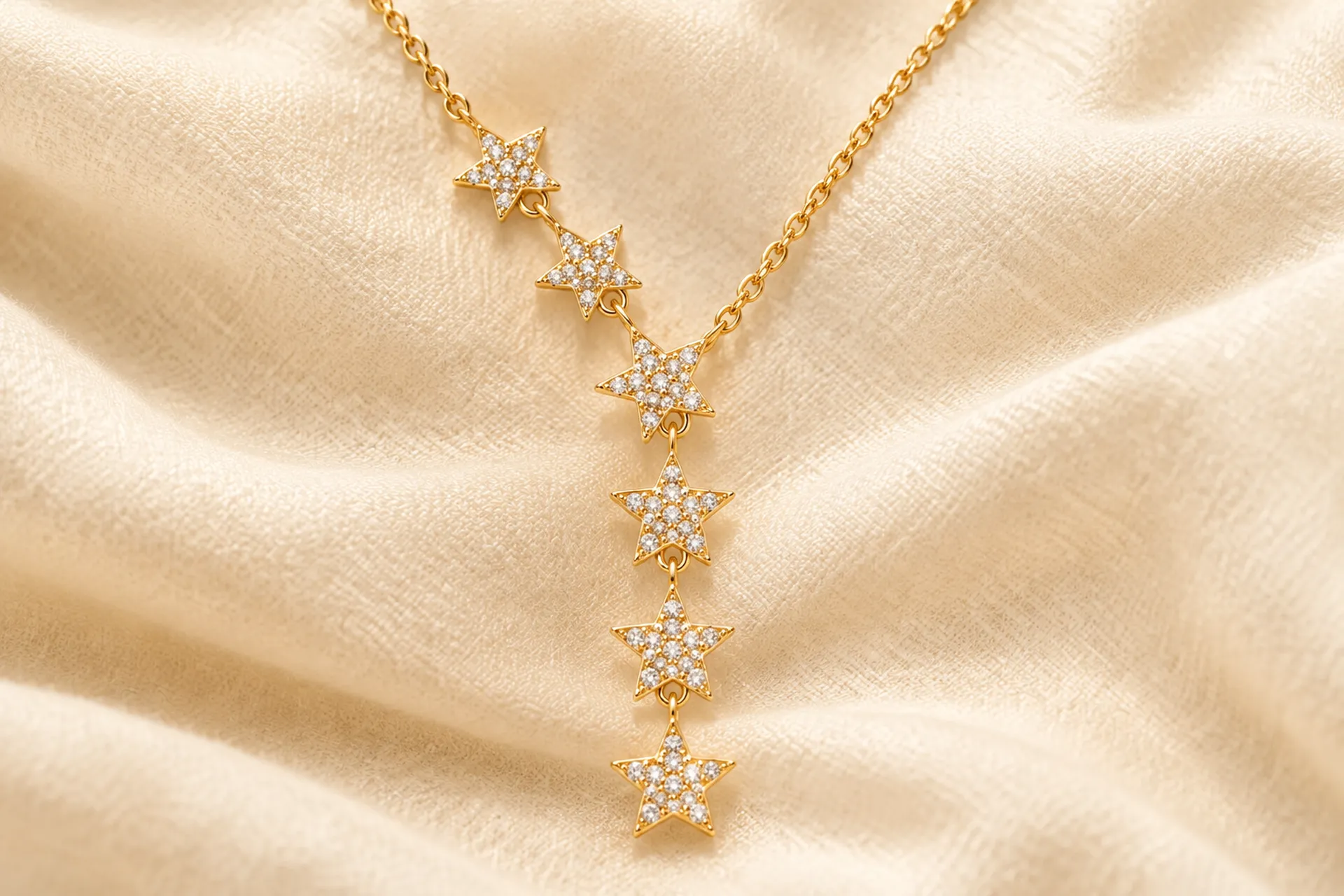
Shopping for gemstone jewelry online means trusting a seller you may never meet with a purchase that can run from fifty dollars to five figures. The best gemstone jewelry brands share five verifiable traits: independent certification or grading reports from labs like GIA or AGS, full written disclosure of treatments (heat, dye, irradiation), clearly stamped metal purity (14K, 18K, platinum), a return window of at least 30 days, and craftsmanship you can inspect—prong count, gallery depth, stone seating. This guide gives you the evaluation framework, whether you're buying from an artisan studio, a direct-to-consumer brand, or a luxury house.
| What to check | Green flag | Red flag |
| --- | --- | --- |
| Certification | GIA, AGS, or GIT report offered for stones over ~$500 | "Certified by our in-house gemologists" only |
| Treatment disclosure | Written: "heat-treated sapphire," "resin-stabilized turquoise" | "Natural gemstone" with no treatment statement |
| Metal purity | Hallmarked 14K/18K/925/platinum with gram weight listed | "Gold-plated" or "gold vermeil" priced like solid gold |
| Returns & warranty | 30+ day returns, 1+ year workmanship warranty | Final sale on fine jewelry |
The single most reliable signal of a trustworthy gemstone brand is whether it offers grading documentation from a laboratory that doesn't sell jewelry. The Gemological Institute of America (GIA) and American Gem Society (AGS) labs grade on published, consistent standards and have no financial stake in the sale. Other reputable labs include GIT (Gem and Jewelry Institute of Thailand) for colored stones and IGI for lab-grown diamonds.
Here's the practical rule: for pieces under roughly $300, demanding a lab report is unrealistic—the report can cost more than the stone. Good brands substitute a detailed product disclosure instead: species, variety, carat weight, origin of color if treated. For a fine sapphire or ruby over $500, though, insist on a report or walk away. Beware of the phrase "certified"—by itself it means nothing. A laminated card printed in the seller's back office is not certification.
One honest caveat: certification verifies identity and treatments, not beauty. A GIA report won't tell you whether the emerald pleases your eye. Use reports to eliminate fraud, then judge aesthetics yourself.
Nearly all colored gemstones on the market are treated in some way, and that's not a scandal—it's reality. The vast majority of rubies and sapphires are heat-treated to improve color; most emeralds are oiled or resin-filled to reduce the visibility of fissures; much turquoise is stabilized with polymer. What separates an honest brand is whether it tells you, in writing, before you buy.
Heat treatment (ruby, sapphire, tanzanite): widely accepted in the trade; should still be disclosed because untreated stones command large premiums - Oil and resin filling (emerald): minor oiling is traditional; heavy resin filling significantly lowers value - Dyeing (jade, turquoise, some quartz): acceptable for fashion jewelry if priced accordingly, deceptive in fine jewelry - Irradiation (blue topaz, some colored diamonds): stable and safe after sale, but must be disclosed - Glass filling (ruby): heavily fractured stones filled with lead glass—these are fragile and should be priced and labeled as composite material
A brand that says "natural, untreated Ceylon sapphire" and charges accordingly should prove it with a lab report noting "no heat." If the listing never mentions treatments on a ruby priced at $800, assume the worst.
A knowledgeable brand designs around each stone's weaknesses. Hardness (resistance to scratching) is only one of three factors that determine whether a ring survives daily wear:
Hardness: diamond (10), corundum (9), topaz (8) resist scratches; but topaz has perfect cleavage and can split from a sharp knock - Toughness: jadeite and nephrite jade are exceptionally tough despite moderate hardness; emerald is brittle due to natural fissures; opal is fragile - Stability: some stones degrade from heat, light, or chemicals—amber softens near heat, kunzite fades in sunlight, pearls and turquoise are damaged by ordinary cosmetics and chlorine
Signs a brand understands this: emerald rings built with protective bezel or halo settings rather than exposed prongs; opal and pearl pieces marketed as earrings, pendants, or occasional-wear rings rather than everyday bands; explicit care instructions per stone. A brand selling tanzanite (hardness ~6.5–7, poor toughness) as an "everyday engagement ring" without a protective setting is either ignorant or indifferent—both disqualifying for fine jewelry prices.
When shopping by birth month, this matters most: stones like December's turquoise and zircon or February's amethyst have very different daily-wear profiles, and the best brands say so explicitly instead of blanket-promising durability.
Rather than ranking brands, evaluate which channel serves your priorities:
Artisan and independent studios. Strengths: one-of-a-kind stones, visible maker identity, willingness to discuss treatments directly. Weaknesses: variable documentation, shorter track records, sometimes no returns on custom work. Best for: buyers who prioritize uniqueness and will ask questions by email. A good artisan answers treatment and hardness questions in plain language within a day.
Direct-to-consumer (DTC) brands. Strengths: standardized disclosure pages, generous return windows (typically 30 days), consistent photography, real metal weights listed. Weaknesses: stock settings that don't always suit fragile stones; customer service reps who may not be gemologists. Best for: first-time fine jewelry buyers who want a safety net.
Luxury houses. Strengths: rigorous stone sourcing, superior setting craftsmanship (hand-finished galleries, precise prong seating), lifetime servicing. Weaknesses: a substantial price premium for the name, and treatment disclosure can be less explicit than at DTC brands—prestige is assumed to substitute for detail. Best for: milestone purchases where brand heritage and resale support matter.
The channel matters less than whether each brand passes the checklist above. A DTC brand with GIA-graded stones and 60-day returns outperforms a famous name that won't state whether its emeralds are oiled.
You don't need to handle a piece to judge its construction. Look for:
Prong count and coverage: a 1-carat stone in a 4-prong head is fine for earrings but riskier for a ring; 6 prongs or a bezel offers more security for daily wear - Gallery (underside) detail: open galleries allow light and cleaning access; solid backs on rings trap soap and skin oils - Stone seating: gems should sit level with even girdle exposure; tilted or uneven stones signal rushed setting work - Milligram honesty: gram weight of the metal listed. Unscrupulous listings show stone carat weight prominently and hide that the band is 1.2 grams of hollow or thin gold - Chain and clasp quality: for pendants, check whether the chain is solid precious metal or plated base metal bundled with a gold pendant
Ask for a macro photo of the setting from the side. A brand that can't or won't produce one is telling you something.
1. Stone species and variety named precisely (not just "blue gemstone") 2. Treatment status in writing, per stone 3. Lab report offered for stones over ~$500 4. Metal purity and gram weight stated 5. Return window of 30+ days, including final sale exclusions read carefully 6. Workmanship warranty of at least 1 year 7. Care instructions appropriate to the actual stone
This same evaluation framework works across every occasion purchase—whether you're comparing vendors for a birthstone gift or evaluating sellers for milestone anniversary pieces like the 20th anniversary (emerald) or 25th anniversary (silver and tsavorite), where treatment disclosure matters most because the stones themselves carry the value.
Related Articles
A Brief History of Birthstones
From the twelve tribes of Israel to the 1912 standard that rules the modern list — the 3,500-year origin story of why we wear our birth month.
Read MoreThe Ultimate Birthstone Cleaning Guide
Keep every piece in your collection gleaming. Step-by-step methods for gold, silver, and delicate birthstones — no harsh chemicals needed.
Read MoreBirthstone Energy: A Complete Crystal Healing Guide
From root chakra grounding to crown chakra clarity, discover how each birthstone carries healing energy. Learn to activate your crystal for meditation, sleep, and daily intention.
Read More