December Birthstone

Turquoise

Sky and earth, joined in blue.

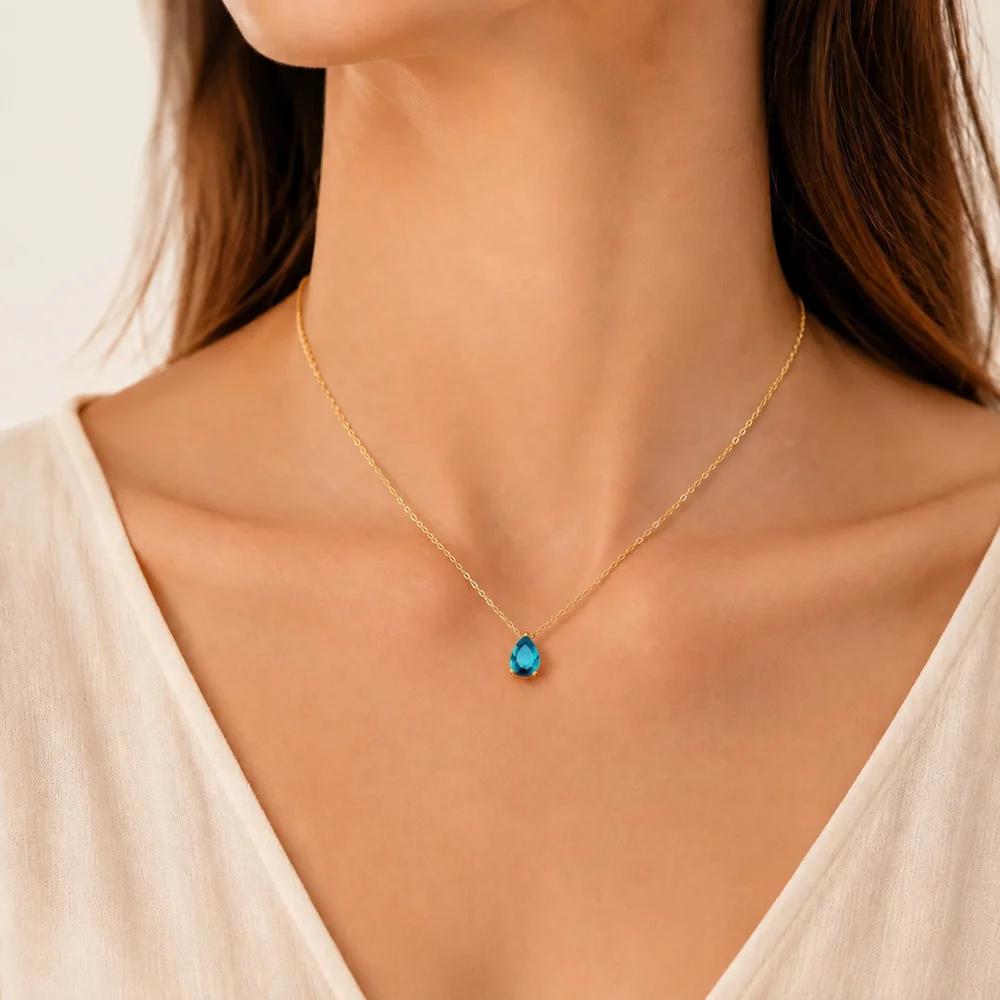
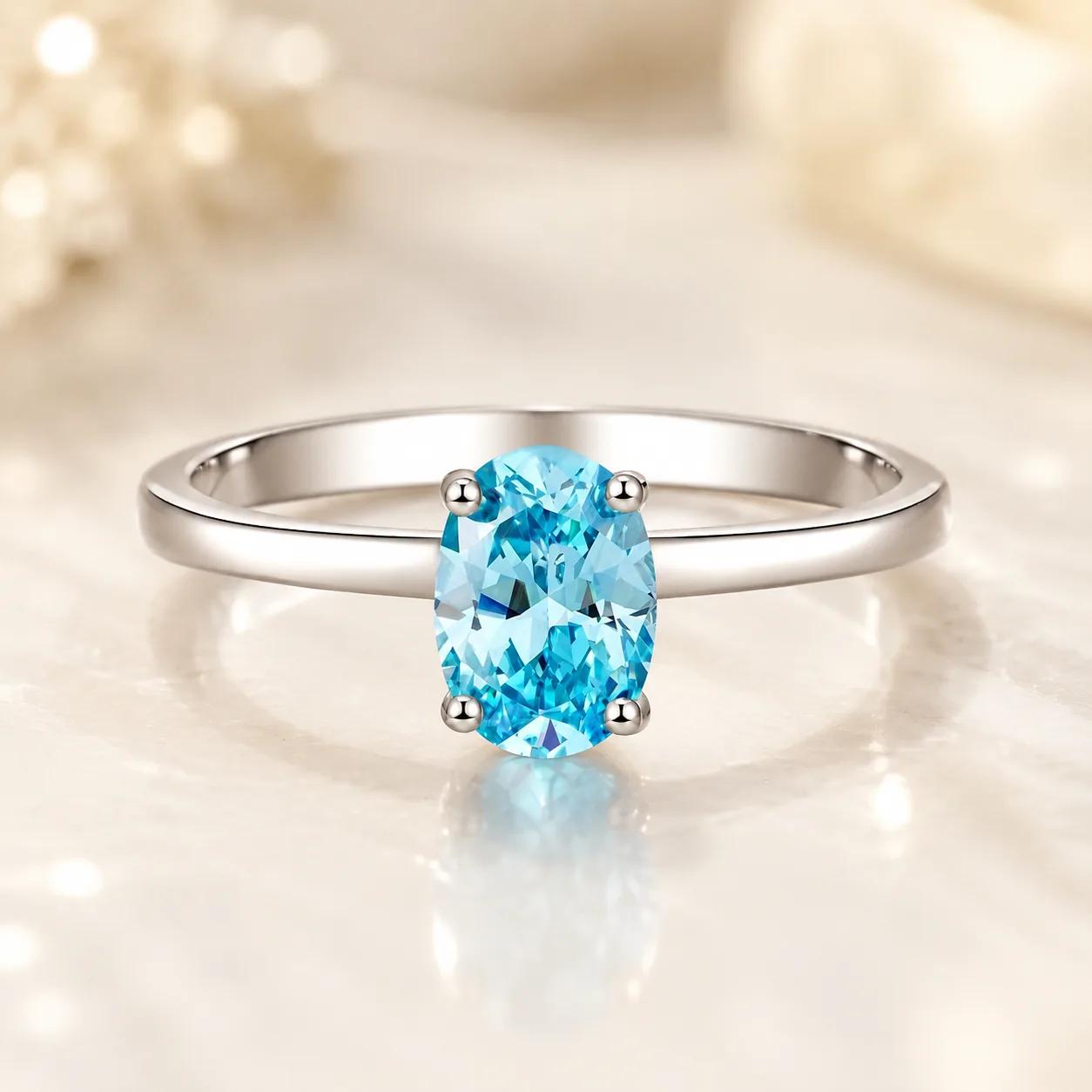
December's birthstone is Turquoise (or Tanzanite) — a gemstone symbolizing good fortune, protection, and enduring friendship. It rates 5–6 on the Mohs hardness scale and is the traditional stone for December birthdays, set in handcrafted necklaces, rings, earrings and bracelets.

FortuneProtectionFriendship
Turquoise ($) — December birthstone

Primary Stone

Turquoise

Mohs Hardness

5–6

Symbolizes

Fortune · Protection · Friendship

Alternative December Birthstone

Tanzanite

December Turquoise Jewelry

4 handcrafted pieces for December babies.

December Birthstone Gifts for Her

December birthstone gifts carry one clear message: I know your month, I know your stone. A Turquoise necklace is the classic December gift for her — personal, everyday-wearable, and impossible to regift. For a mom, choose a 2-stone or 3-stone design that pairs her Turquoise with her children's birthstones; for a grandmother, family pieces hold 4, 5 or even 6 stones — one per grandchild.

History & Lore of Turquoise

Turquoise is one of the oldest known gemstones — ancient Egyptians mined it in the Sinai over 5,000 years ago, and it adorns the burial mask of Tutankhamun. Across the Americas, Native American peoples have set turquoise in silver for centuries, considering it a fragment of fallen sky.

A stone of protection and friendship, turquoise is said to change color when danger approaches and to bless partnerships with longevity. Giving turquoise is traditionally a pledge of trust, and receiving it a sign of being watched over.

Symbolism: Good fortune, protection, and enduring friendship.

How to Care for Turquoise

Turquoise is porous and relatively soft (5–6 Mohs), so it absorbs oils, perfumes, and cosmetics — which can darken or discolor it over time. Always apply lotions before putting turquoise on, and never soak or ultrasonic-clean. Wipe with a slightly damp soft cloth only. Some "stabilized" turquoise is resin-treated for durability.

  • Mohs hardness: 5–6
  • Suitable for everyday wear depending on setting and lifestyle.
  • Store separately to avoid contact with harder stones.
Full guide: How to Clean Turquoise JewelryShop by stone: December Birthstone Jewelry Guide

Turquoise Quick Facts

Everything about December's birthstone in one place.

Mineralogy

Mineral
Turquoise / Tanzanite (Zoisite)
Chemical Formula
CuAl6(PO4)4(OH)8.4H2O / Ca2Al3(SiO4)3(OH)
Crystal System
Triclinic / Orthorhombic
Mohs Hardness
5 - 6 (Turquoise) / 6 - 7 (Tanzanite)
Specific Gravity
2.7 / 3.35
Refractive Index
1.61 - 1.65 / 1.69 - 1.70

Buying Guide

Primary Sources

Iran (Persian), USA (Arizona, New Mexico), Tanzania (Tanzanite - only one mine), China

Color Variations

Robin egg blue, Sky blue, Spider-web matrix, Deep violet-blue (Tanzanite)

Popular Cuts

Cabochon, Freeform, Cushion (Tanzanite), Bead drilled

Best For

December birthdays, 11th anniversary, Sagittarius and Capricorn, Friendship gifts (traditional)

Avoid With

Cosmetics and oils, Direct sunlight

The December Birthstone, Answered Directly

December is the calendar's fullest month: three official birthstones — turquoise, the traditional robin's-egg blue; zircon, the brilliant fire-stone; and tanzanite, the blue-violet modern addition of 2002. The palette spans the whole cold season, from turquoise's sky to tanzanite's twilight. Durability note for buyers: all three December stones ask for remove-first habits — turquoise is porous, zircon is brittle, tanzanite is soft — none belongs in an ultrasonic machine.

Raw Turquoise, Zircon, and Tanzanite: A Full Winter Palette

Turquoise is the calendar's oldest documented gem — worn in Egyptian tombs five thousand years ago, a phosphate of copper and aluminum whose sky color comes in spider-web matrix or clean robin's-egg forms; it is soft (Mohs 5-6) and porous, which is why the trade stabilizes much of it and why honest sellers say which. Zircon is nature's fire-stone: high dispersion gives it diamond-competitive sparkle, its double refraction doubles facet lines under a loupe, and it is among the oldest materials on Earth — zircons from Australia date over four billion years. Tanzanite is the calendar's only single-source stone: zoisite, found in one stretch of Tanzania near Kilimanjaro, heated from brown to its blue-violet, and soft at 6.5-7 — the December stone that looks like sapphire and asks to be treated like pearl.

December Meanings: Protection, Prudence, and New Sight

Turquoise carries the oldest written protection lore: Tibetan tradition names it a guarantee of health and good fortune, Persian riders tied it to bridles for safety, and the old trade called it the stone that protects from falling. Zircon's Victorian meaning was prudence and prosperity — the wisdom stone of the winter solstice. Tanzanite, discovered in 1967, has the youngest meaning and the marketing honesty to admit it: the trade attached new sight — communication, insight, the courage of clear vision. December babies arrive as Sagittarius (through December 21) or Capricorn — and the trio covers both temperatures: the archer's sky-blue and the goat's disciplined violet.

How Our Artisans Hand-Set December's Three Stones

Turquoise is set like a painting, not a hammer: no torch, no ultrasonic, bezels preferred, and a bench cloth instead of chemicals — its pores drink everything. Zircon is handled like glassware that sparkles: its brittleness means pre-setting checks for chip-prone facet junctions, gentle mounts, and the customer warning that it rewards careful owners. Tanzanite gets the emerald-and-oval cuts its pleochroism loves, mounted in protective settings for daily wear or airy ones for occasion pieces, and always set last, away from heat. December is the workshop's gentlest month.

How to Buy December Stones Without Regret

Turquoise honesty is about treatment: natural, stabilized, reconstituted, dyed — four different products sold under one name, and only full disclosure separates them; the price tells the truth when labels do not. Zircon honesty is about confusion: it is a natural gem, unrelated to cubic zirconia (the lab simulant whose nickname stole its name) — buy it for fire, and expect blue zircon to be heat-treated brown rough, an accepted norm. Tanzanite honesty is about durability and source: nearly all is heat-treated (universal, accepted), one source means supply risk keeps fine material expensive, and the honest question for a daily ring is whether the wearer will honor the remove-first habit. The December cheat sheet: turquoise for the sentimental, zircon for the sparkle-lover, tanzanite for the luxury eye.

Who Should Receive December's Stones

The December birthday gets winter's whole wardrobe: the sky, the ice, and the twilight. Turquoise suits the free spirit and the traveler (its protection lore is the oldest); zircon suits the pragmatist who still wants fire; tanzanite suits the December milestone that deserves the extraordinary. The month's one regret-proof rule: match the stone to the wearer's habits, not just their eyes — December beauty asks for December care.

Is December's zircon the same as cubic zirconia?

No — and the confusion is the single most common December shopping mistake. Zircon is a natural mineral, zirconium silicate, formed in the Earth over geological time; some zircon crystals are the oldest dated material on the planet. Cubic zirconia is a synthetic, lab-grown diamond simulant — man-made, mass-produced, and worth a few dollars a carat. The names sound related because both involve the element zirconium; the stones share nothing else, including value.

So when a listing says zircon, you are buying a genuine birthstone with natural fire. When it says cubic zirconia, you are buying sparkle, not December's stone — perfectly fine as costume jewelry, but it is not on the December official list, and it should never be priced like it.

Which December stone is best for daily wear?

Rank them by how they live on a hand. Zircon, at 6.5–7.5, is December's ring stone — real durability with one caveat: brittleness at facet edges, so bezels over prongs. Tanzanite, at 6–6.5 and famously delicate, wants pendant and earring duty; tanzanite rings are museum pieces or engagement risks. Turquoise, 5–6 and porous, is the softest — it polishes beautifully, absorbs oils, and matures; daily turquoise is a lifestyle choice, and its patina is either the appeal or the problem.

The honest December engineering: zircon for the working hand, tanzanite for the evening, turquoise for the character. All three are officially winter's stones; none of them pretends to be the others.

Why does December have three birthstones anyway?

Because December is the calendar's most-revised month. Turquoise is the ancient answer — the traditional stone, with protection lore older than the list itself. Zircon joined the official list in the mid-century revisions as the second option. Then in 2002 the American Gem Trade Association successfully campaigned tanzanite into December, and the month became the only one with a modern three-way official answer.

For December buyers this is a gift, not a burden: sky (turquoise), ice (zircon), and twilight (tanzanite) — three genuinely different stones at three genuinely different prices, all correct on the certificate. Pick by the wearer's habits and budget, and December's abundance does the rest.

Handcrafted Turquoise, made to be inherited.

Each piece is set by hand, one artisan, start to finish.

Shop Turquoise Jewelry

Birthstone Guide

December Turquoise FAQs

Everything about raw crystals, energy, handmade craft, and how to choose your turquoise jewelry.

Is there a raw crystal version of turquoise / tanzanite? Can I get uncut birthstone jewelry?

Yes. Raw turquoise forms in veins within host rock, often showing a distinctive spiderweb matrix. Our December designs can feature natural, unstabilized turquoise nuggets, each piece entirely unique.

What is the energy or healing meaning of turquoise / tanzanite?

Turquoise is one of the oldest protective talismans. Crystal workers believe it absorbs negative energy, changes color when danger is near, and blesses partnerships with longevity.

How is the handmade turquoise / tanzanite jewelry crafted?

Turquoise is porous and soft (Mohs 5-6). Our artisans hand-select stones with a tight, even matrix and use bezel settings that cradle the stone.

Who is turquoise / tanzanite the perfect gift for?

December turquoise is the gift of trust: for partnerships, new friendships, and the person you want to protect. Ideal for winter weddings and the holiday season.

How can I tell if my turquoise / tanzanite is authentic?

Genuine turquoise is porous and will darken slightly over time as it absorbs skin oils. Avoid reconstituted turquoise, which has no matrix pattern and feels uniformly smooth.

What is the December birthstone?

December has three official stones: turquoise (the traditional robin's-egg blue), zircon (the natural fire-stone), and tanzanite (added in 2002). All three ask for remove-first care habits — none belongs in an ultrasonic machine.

What color is December's birthstone?

Blues in three registers: turquoise's soft sky blue, zircon's electric steel-blue fire, and tanzanite's deep blue-violet twilight. The cold season's whole wardrobe.

Is tanzanite a good daily-wear stone?

For pendants and earrings, yes; for a daily ring, only with remove-first habits — tanzanite is 6.5-7 and belongs in no ultrasonic machine. It looks like sapphire and asks to be treated more gently.

Find Your Turquoise Piece

Handcrafted December birthstone jewelry, made to be inherited.

Shop Turquoise Jewelry