Locket Necklace Guide: The Jewelry That Keeps Secrets
Lockets carried painted miniatures, poison rumors, and photographs of the people their wearers could not forget. How the keep-sake pendant works, then and now.
Yueounb Editorial
Jewelry Historian
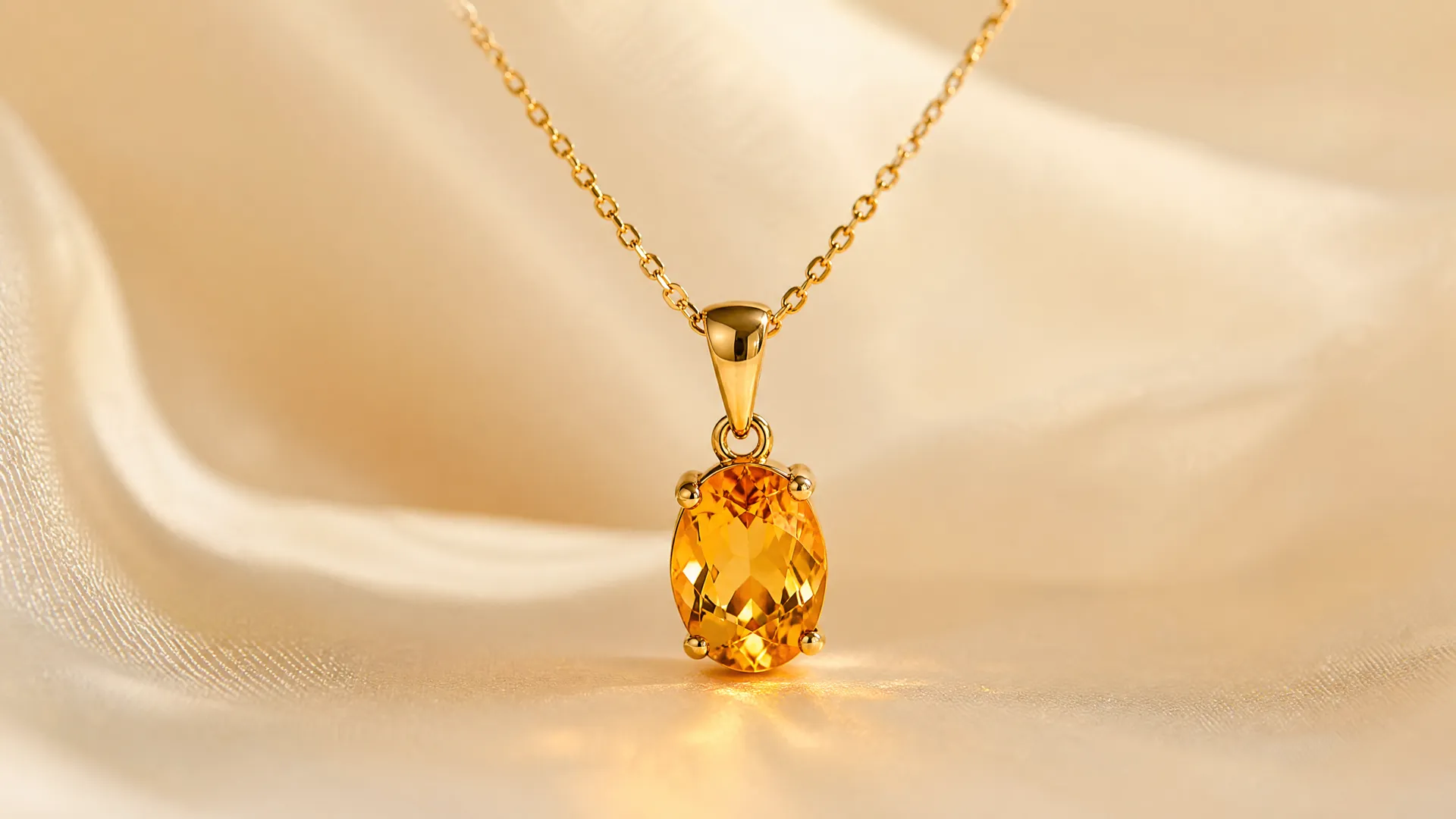
No piece of jewelry does what a locket does: it holds something. For four hundred years lockets carried painted miniatures of lovers, locks of hair, and — after photography went portable — tiny pictures of the people their wearers could not be with. Victorian mourning lockets held a departed relative's portrait; soldier-era lockets crossed oceans holding the face left behind. The rumour that some held poison is mostly fiction — the real cargo was almost always love.
Quick Answer: Choosing a Locket - **Types:** hinged double-door (two photos), single-door (one photo plus a memento space), and glass-front (keeps dried flowers or small stones visible) - **Metal:** hinged mechanisms are the part that breaks — solid sterling or vermeil hinges survive decades, plated ones do not - **Photo size:** check the internal diameter, not the pendant width; standard is 16-20mm round - **Modern use:** ashes, a rolled first ultrasound, a pressed flower from the wedding — the tradition only widens
The mechanics matter more than the romance: a locket is the only common pendant with moving parts. The hinge and the catch are the failure points — open and close a locket ten times before buying it; a quality hinge moves smoothly with soft resistance, no wobble, no grit. Photo frames inside should be removable tabs, not glue-downs, because photos get replaced and grandmothers know this.
Wearing a locket today is deliberately quieter than its Victorian peak: one locket on one chain, 18 inches standard, usually closed. (The Victorian habit of wearing it open, portrait out, was a social signal; the modern version keeps the contents private — the point is that you know what is inside.) The birthstone necklaces hub covers stone-set pendants of every height for pairing, the family tree necklace is our multi-person keepsake format — the locket's philosophical cousin, holding people as stones instead of photos — and gifting-occasion logic runs in mom birthday jewelry.
The gift case is what keeps lockets alive: it is the rare jewelry gift that is finished by the recipient, not the giver. Give it empty with a note saying what belongs inside, or give it loaded with the one photograph only you would have chosen. Either way, no other necklace in the box gets opened again every year.
Frequently asked.
What is the point of a locket necklace?
It carries something too important to leave at home — historically painted miniatures or a lock of hair, for the last century photographs, and today anything from pressed wedding flowers to a first ultrasound. It is the only common jewelry format built to hold cargo, which is why it survives every fashion cycle.
How do I put a photo in a locket?
Trace the inside frame on the photo, cut just inside the line, and slip it behind the retaining tabs (never glue — tabs exist so photos can be replaced). Two-door lockets fit one photo per side; most take 16-20mm round cuts. A print shop can resize any photo to locket scale in minutes.
Did lockets really hold poison?
Almost never — the poison locket is mostly gothic fiction. The verified historical contents are romantic: portraits, hair locks, notes, and religious miniatures. The rumor survives because a container that closes secretly invites the imagination; the archives say love, not lucre.
What size chain does a locket need?
Eighteen inches is standard — it hangs the locket at the collarbone hollow where it can be opened without a mirror. Sixteen inches sits higher and suits smaller lockets under 20mm; twenty inches flatters larger keepsake lockets and fuller necklines.
Is a locket a good gift for a mother or grandmother?
It is the definitive one — a gift the recipient finishes. Give it with children or grandchildren' photos inside, or empty with a note about what belongs there. For multi-person keepsakes in stone form rather than photo form, the family tree format is the locket' closest cousin.
Related Articles
A Brief History of Birthstones
From the twelve tribes of Israel to the 1912 standard that rules the modern list — the 3,500-year origin story of why we wear our birth month.
Read MoreThe Ultimate Birthstone Cleaning Guide
Keep every piece in your collection gleaming. Step-by-step methods for gold, silver, and delicate birthstones — no harsh chemicals needed.
Read MoreBirthstone Energy: A Complete Crystal Healing Guide
From root chakra grounding to crown chakra clarity, discover how each birthstone carries healing energy. Learn to activate your crystal for meditation, sleep, and daily intention.
Read More