Choker Necklace Guide: The 90s Classic, Rewritten for Now
Chokers run from velvet ribbons to diamond rivieres — here is how the 400-year-old neck-hugger reads today, which width suits which neck, and how to layer it.
Yueounb Editorial
Jewelry Expert
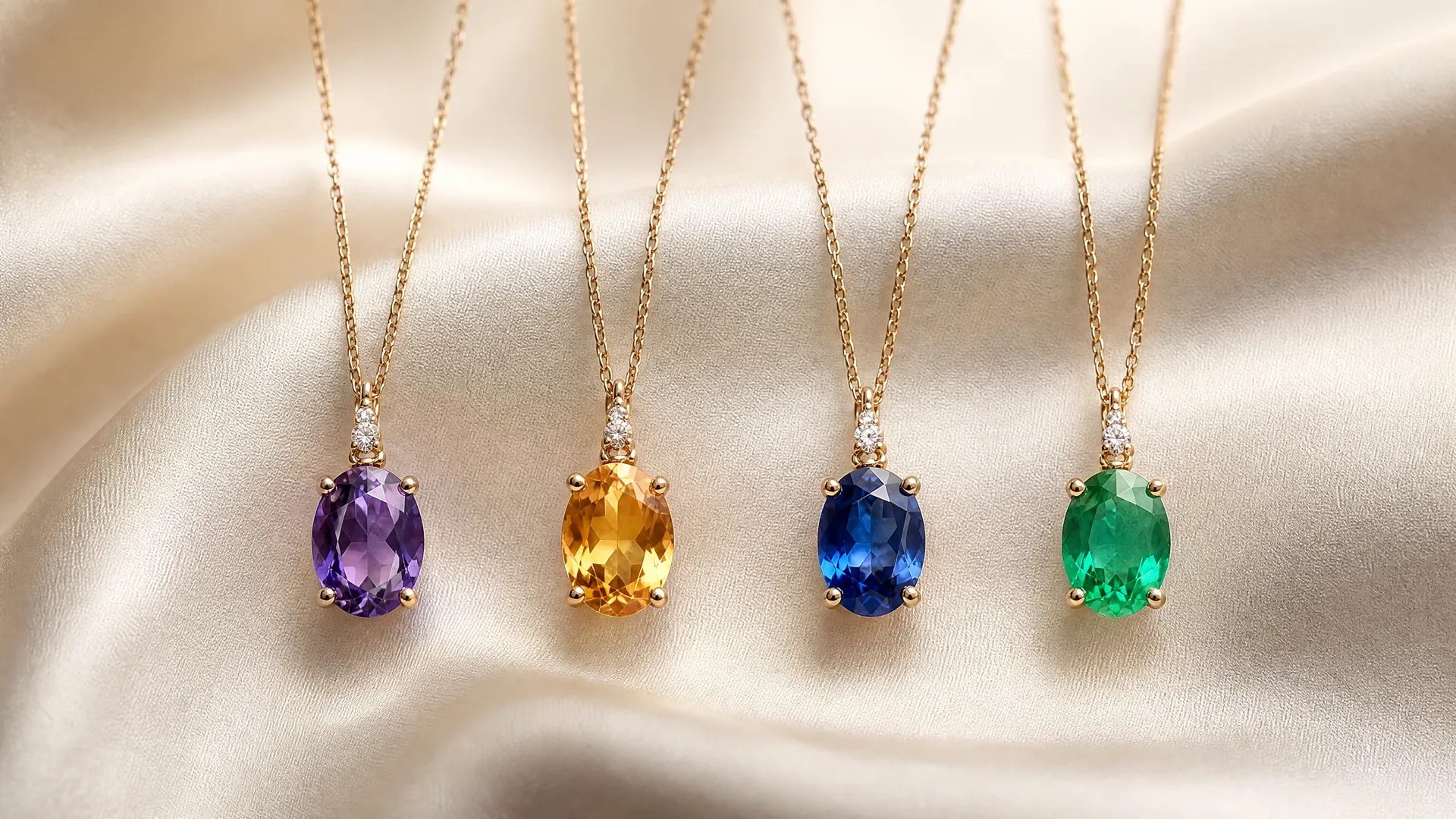
The choker is the oldest necklace logic there is: a band that hugs the throat. Anne of England wore layers of pearl chokers in the 1600s, ballerinas wore velvet ribbons for two centuries, Victoria made black-ribbon chokers court fashion, and the 1990s gave the world the tattoo-choker. Every era rewrites it; none retires it. The current version favors metal — slim herringbone, pavé tennis bands, and simple curb chains at 14-16 inches.
Quick Answer: Width and Neck - **Short neck:** stay under 8mm wide — slim herringbone or a fine curb chain reads elegant, wide bands read crowded - **Long neck:** the rare case where wide chokers (10mm+) and velvet both work beautifully - **Layering formula:** choker at 14-16in + princess chain at 18in + one long line at 20-24in — three distinct heights, thinnest on top - **The one rule:** a choker needs the collarbone visible below it to breathe; turtlenecks defeat the whole idea
Sizing is where chokers go wrong: measure the neck snugly and add one inch — a choker should sit against the throat without pressing it. Most women land between 13 and 15 inches; men between 16 and 18. Unlike longer necklaces, a choker cannot hide a sizing error, so adjustable sliders and extender chains (standard on better pieces) earn their keep here.
What to wear it with is settled by contrast: chokers read intentional against clean necklines — crew, boat, V, off-shoulder — and fight busy collars. The pavé or tennis-style choker is the evening version (light catches it at the jawline); the flat metal choker is the daytime workhorse. The birthstone necklaces hub shows how stone-set necklines of every height are worn, the Starlight pavé collection carries the sparkle-first evening register, and the full month-by-month stone system lives on the birthstones hub.
One closing honesty: the word choker is doing heavy lifting across very different jewelry — a $12 velvet ribbon and a five-figure diamond riviere are both chokers. Judge the piece, not the category: clasp quality (lobster, not fishhook), stone setting (bezel or pavé, not glue), and chain solidity are what separate the version you wear for years from the version that lives in a drawer.
Frequently asked.
How tight should a choker necklace be?
Snug but never pressing: measure your neck where the choker will sit, then add one inch. It should rest against the throat and still let you swallow comfortably. Adjustable sliders or 2-inch extenders solve sizing doubt, which is why better chokers ship with them.
Can you wear a choker with a necklace?
Yes — that is the modern way. The formula is three heights: choker at 14-16 inches, a princess-length pendant at 18, and a long chain at 20-24. Keep the choker the thinnest of the three so each layer reads deliberate rather than tangled.
What length is a choker vs a princess necklace?
Choker runs 14-16 inches and sits at the base of the throat; princess is 18 inches and falls to the hollow just below the collarbone. The two-inch difference completely changes what the necklace does — hugging the neck versus framing the collarbone.
Are chokers still in style?
The metal choker never left the fine-jewelry repertoire — slim herringbone, curb chains, and tennis-style bands have been wardrobe staples for several seasons running. What dated was the disposable 90s stretch version; the current register is metal, slim, and layerable.
What necklines work with a choker?
Clean and open: crew necks, boat necks, V-necks, and off-shoulder all let the choker own the throat. Avoid busy collars, ruffles at the neck, and turtlenecks — anything competing with or covering the band defeats the entire point of the piece.
Related Articles
A Brief History of Birthstones
From the twelve tribes of Israel to the 1912 standard that rules the modern list — the 3,500-year origin story of why we wear our birth month.
Read MoreThe Ultimate Birthstone Cleaning Guide
Keep every piece in your collection gleaming. Step-by-step methods for gold, silver, and delicate birthstones — no harsh chemicals needed.
Read MoreBirthstone Energy: A Complete Crystal Healing Guide
From root chakra grounding to crown chakra clarity, discover how each birthstone carries healing energy. Learn to activate your crystal for meditation, sleep, and daily intention.
Read More