Alternative Engagement Rings: Why Birthstone Rings Are Trending
Colored stone engagement rings are the fastest-growing category of 2026. Who they suit, which birthstones survive daily wear, and what they cost versus diamond.
Yueounb Editorial
Jewelry Expert
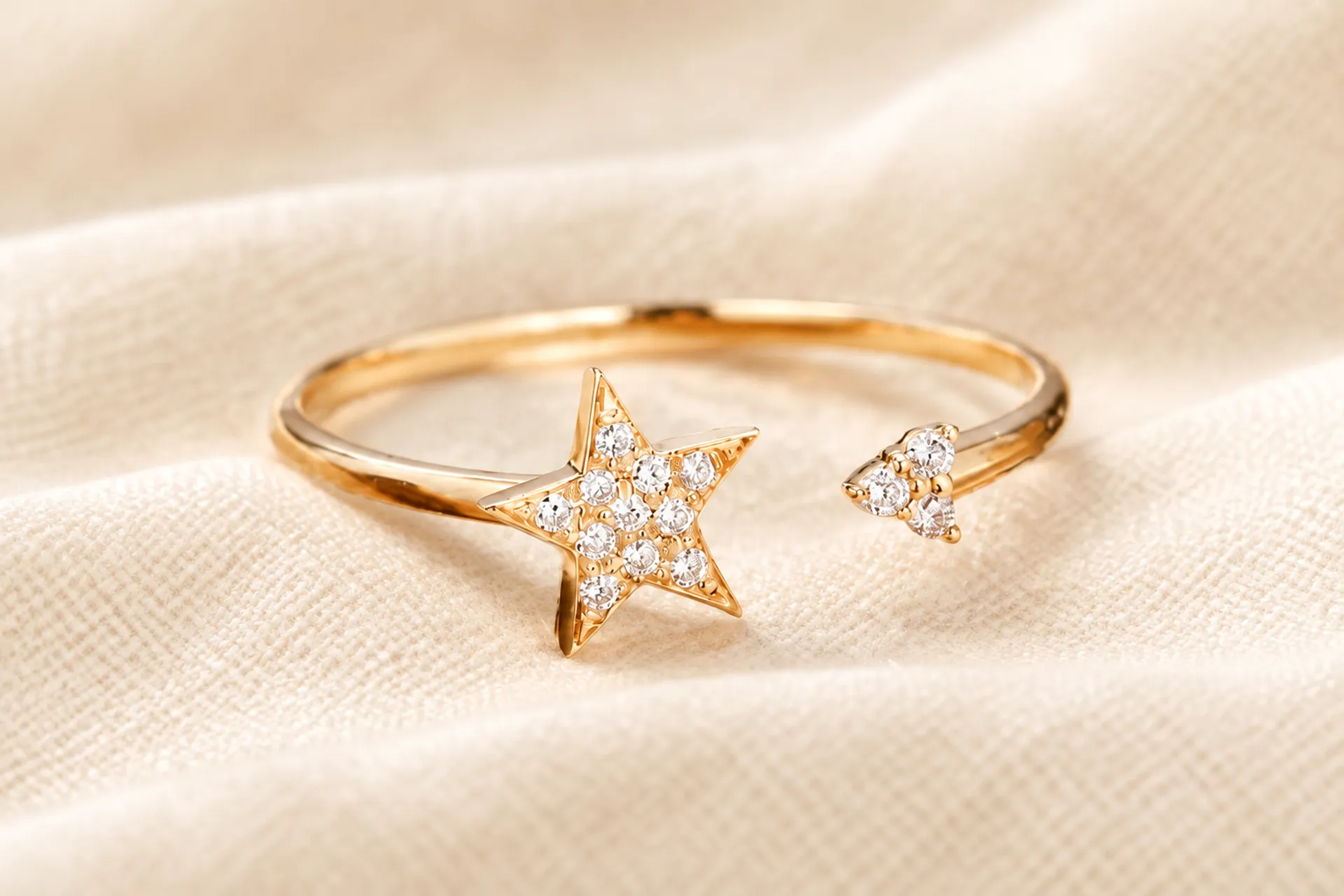
Birthstone engagement rings replace the center diamond with the wearer own birth-month gem — sapphire for September, ruby for July, emerald for May — and they are the fastest-growing engagement category of 2026. The logic is threefold: the ring becomes unbuyable by anyone else, color carries meaning a clear stone cannot, and a fine birthstone center costs a fraction of an equivalent diamond.
The trend, quantified. Colored-stone engagement centers have moved from under 10 percent of US engagements a decade ago to roughly a quarter by 2026 (Estimated, aggregated jeweler surveys) — driven by Pinterest-era personalization, celebrity sapphire engagements that normalized color, and diamond pricing that pushed couples toward meaning-per-dollar. Sapphire remains the gateway stone; moissanite and morganite pulled the market further from diamond.
The one rule that matters: hardness. An engagement ring is worn every day for decades, so the center stone must survive it.
| Birthstone | Mohs | Daily engagement wear | Verdict |
| Sapphire (Sep) | 9 | Excellent | The default alternative — princes wore them first |
| Ruby (Jul) | 9 | Excellent | The passionate pick, rarer than sapphire |
| Emerald (May) | 7.5-8 | Good with bezel setting | Beauty over toughness; expect care |
| Diamond white (Apr) | 10 | Perfect | The classic itself |
| Amethyst (Feb) | 7 | Moderate | Affordable but scratches over years |
| Garnet (Jan) | 6.5-7.5 | Moderate | Budget vintage look |
| Opal (Oct) | 5.5-6.5 | Poor in rings | Pendant or protective bezel only |
| Moonstone (Jun) | 6-6.5 | Poor-to-moderate | Romantic but high maintenance |
Sapphire is the recommendation nine times out of ten, and not for sentiment: Mohs 9 tolerates a decade of dishwashing, its color never fades, and heat-treated natural sapphire at $300-800 per carat delivers a look a diamond cannot — yours. Ruby shares the hardness at triple the price. Emerald is the diva: magnificent, but oil-filled and fracture-prone, happiest in a bezel and an insurance policy.
What they cost versus diamond (2026, Estimated). A 1-carat natural sapphire center with a diamond halo: $800-2,500. The visual equivalent in diamond: $4,000-8,000. A 1-carat ruby: $2,000-6,000. Emerald: $1,000-4,000. The savings fund the honeymoon, or buy the matching wedding band, or both — which is the actual reason most couples switch, told honestly.
Designing it right. Bezel settings protect softer stones and read modern; prongs maximize light for sapphire and ruby. Halo designs make a modest center read grand. The band usually stays diamond-paved or plain — the birthstone is the statement. One non-negotiable: insure it like the diamond it replaces, because appraisers value fine sapphire and ruby exactly as seriously.
The objections, answered. Will it look like a fashion ring? — not with a fine saturated stone and proper mounting. Will it resale like a diamond? — no; buy it to wear, not to flip. Is it really an engagement ring? — sapphires and rubies held royal engagements for centuries before diamond marketing made clear stones the default in 1947. The couples choosing birthstone centers in 2026 are not settling; they are opting out of the default on purpose.
Frequently asked.
Can a birthstone work as an engagement ring center?
If it is hard enough: sapphire and ruby (Mohs 9) are excellent daily-wear centers, emerald works in protective bezel settings, while opal and moonstone (Mohs 5.5-6.5) belong in pendants, not rings worn every day.
How much cheaper is a birthstone engagement ring than diamond?
A 1-carat natural sapphire center with halo runs $800-2,500 versus $4,000-8,000 for the visual diamond equivalent (2026, Estimated). Ruby costs closer to diamond; garnet and amethyst far less.
Which birthstone is the best diamond alternative for engagements?
Sapphire — Mohs 9 hardness for daily wear, color that never fades, royal precedent from Queen Victoria to modern princesses, and a fraction of diamond pricing. It is the default alternative nine engagements out of ten.
Related Articles
A Brief History of Birthstones
From the twelve tribes of Israel to the 1912 standard that rules the modern list — the 3,500-year origin story of why we wear our birth month.
Read MoreThe Ultimate Birthstone Cleaning Guide
Keep every piece in your collection gleaming. Step-by-step methods for gold, silver, and delicate birthstones — no harsh chemicals needed.
Read MoreBirthstone Energy: A Complete Crystal Healing Guide
From root chakra grounding to crown chakra clarity, discover how each birthstone carries healing energy. Learn to activate your crystal for meditation, sleep, and daily intention.
Read More