30th Anniversary Pearl Gifts: Natural vs Cultured
The traditional 30th anniversary stone is the pearl — and the natural-versus-cultured question changes both price and meaning. Types, quality reading, honest durability.
Yueounb Editorial
Gemologist
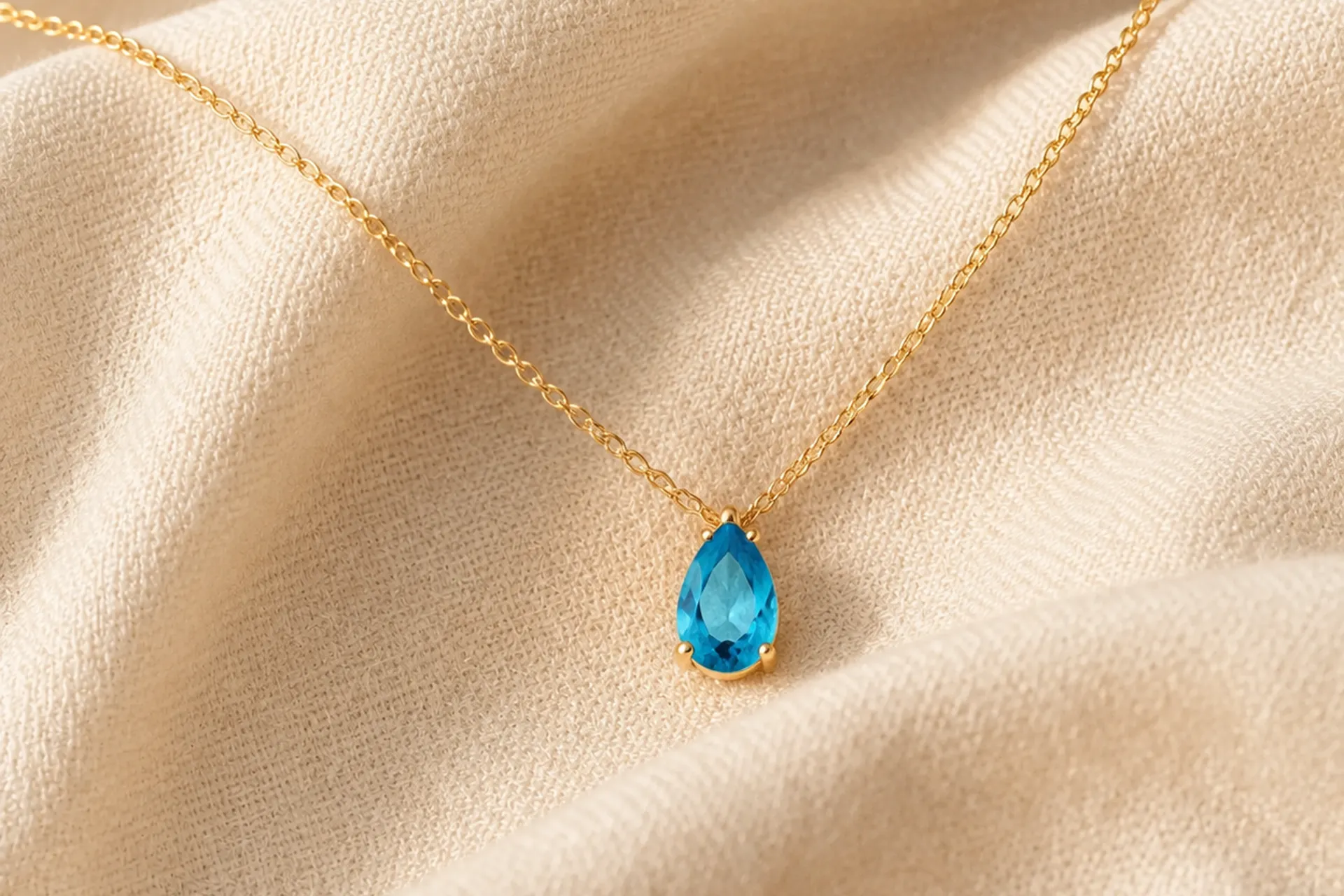
The traditional 30th anniversary gemstone is the pearl — a choice rooted in the Victorian-era milestone tradition where the 30th year is called the "pearl anniversary." Pearls form inside mollusks when layered nacre builds around an irritant, and virtually every pearl sold today is cultured, meaning the irritant is placed by pearl farmers rather than occurring by chance. Natural pearls (formed without human intervention) are exceptionally rare and mostly appear at auction. For a 30th anniversary gift, cultured pearls — Akoya, freshwater, Tahitian, or South Sea — offer honest, beautiful options from under $100 to five figures. Our 30th anniversary gemstone guide covers the full tradition. GIA's guide to gem durability explains why pearls need gentler care
Quick Answer
| Question | Short Answer |
| --- | --- |
| What is the 30th anniversary stone? | Pearl — the 30th anniversary is traditionally called the "pearl anniversary." |
| Natural or cultured for a gift? | Cultured pearls are real pearls and the practical choice; natural pearls are rare, costly, and mostly collector/auction items. |
| Typical budget ranges? | Quality freshwater strand ~$100–$500; Akoya strand ~$500–$3,000+; Tahitian and South Sea climbing steeply by size and quality.ges] |
| Are pearls durable enough for daily wear? | Moderate. Mohs hardness ~2.5–4.5 means pearls need gentle handling; wear after cosmetics, wipe after use, store separately. |
Why Does the 30th Year Belong to the Pearl?
The pearl's association with the 30th anniversary comes from the established list of wedding milestone traditions, where years with established gift themes culminate in the well-known silver (25th), pearl (30th), ruby (40th), and gold (50th) sequence. The logic is poetic: a pearl takes years of quiet, layered growth to become lustrous — an apt metaphor for three decades of marriage. pearl types and grading are documented in GIA's Gem Encyclopedia
Unlike every other anniversary gem on the traditional lists, the pearl is organic, not mineral. It is produced by a living mollusk — an oyster or mussel — as a defensive response. That biological origin shapes everything about how you should evaluate, buy, and care for one.
Natural or Cultured — What Is the Real Difference?
This is where honest labeling matters, and where misleading language is unfortunately common in the market.
Natural pearls form when an irritant — a parasite, a fragment of shell — enters a wild mollusk entirely by chance. Divers historically harvested millions of oysters to find a handful of gems. Today, natural pearls are so scarce that they primarily trade at auction houses like Christie's and Sotheby's, where fine natural pearl strands have achieved prices in the millions of dollars. A significant example: a natural pearl and diamond necklace from the collection of Elizabeth Taylor sold at Christie's New York in 2011 for over $11 million. You will almost certainly not encounter natural pearls in ordinary retail jewelry.
Cultured pearls are genuine pearls, produced by the same biological process, with one difference: a technician deliberately inserts the irritant (a bead nucleus or a piece of mantle tissue) into the mollusk. The animal then does exactly what it would do in the wild — coat it in nacre. Mikimoto's early 20th-century commercialization of cultured pearl technology (with patents dating to the 1910s–1920s) transformed pearls from aristocratic rarities into accessible jewelry.
A useful sub-distinction within cultured pearls:
- Bead-nucleated (Akoya, most Tahitian and South Sea): a round shell bead forms the core; nacre layers surround it. Generally thicker nacre = better durability and depth of luster. - Tissue-nucleated (most freshwater): a small piece of mantle tissue starts the pearl, which is usually solid nacre — one reason good freshwater pearls are durable and increasingly well-regarded.
The honest takeaway: if a seller implies their pearls are "natural" at mainstream prices, be skeptical. The FTC's Jewelry Guides require accurate labeling of cultured vs. natural, and virtually all retail pearls are cultured. That's not a downgrade — it's simply modern reality, the same way nearly all sapphires and rubies on the market are heat-treated.
Which of the Four Pearl Types Suits Her?
Freshwater pearls — Primarily farmed in China. Typically 6–9mm, white to soft pastel tones, and the best value category. Modern freshwater pearls (especially "tissue-nucleated" round grades) can rival Akoya in luster at a fraction of the price. Suits: first fine-pearl gifts, layered and casual styles, budgets under $500.
Akoya pearls — Classic Japanese (and Chinese) saltwater pearls, typically 6–8.5mm, known for mirror-like luster and near-perfect roundness in top grades. The traditional single-strand "graduation pearl" look. Suits: a 30th anniversary where classic elegance is the goal, with fine strands rising steeply from there.icing]
Tahitian pearls — Farmed in French Polynesia, naturally dark tones from gray to peacock green to aubergine. Not actually black by dye — the color is natural. Typically 8–13mm. Suits: recipients who dislike traditional white pearls; striking in pendants and drop earrings.
South Sea pearls — Farmed in Australia, Indonesia, and the Philippines; the largest type at 9–16mm+, in white and golden hues, with thick nacre. The most expensive cultured category. Suits: a milestone statement piece; fine strands reach five figures.
How Do You Read Pearl Quality?
Grading pearls involves no single universal standard (unlike the GIA D-to-Z diamond scale), but the accepted value factors are:
1. Luster — the single most important factor. High-luster pearls show sharp reflections, almost mirror-like; dull pearls look chalky regardless of size. 2. Surface quality — fewer blemishes (bumps, spots) is better, but perfectly clean surfaces across a strand command steep premiums. 3. Shape — round commands the premium; baroque (irregular) pearls offer deliberate, modern character at lower cost. 4. Nacre thickness — thin-nacre pearls (a risk with some lower-grade Akoya) can chip or flake over years. Ask retailers about nacre quality; reputable sellers disclose it. 5. Matching — within a strand, consistency of color, luster, and size across all pearls.
One treatment disclosure worth knowing: some freshwater and Akoya pearls are lightly bleached or dyed; "chocolate" and vividly colored Tahitian-style pearls are often dyed. Ask for treatment disclosure in writing — honest sellers provide it as a matter of course.
How Durable Are Pearls, Honestly?
Pearls are the softest commonly worn gem material: Mohs hardness roughly 2.5–4.5. But hardness is only one of three durability factors:
- Hardness: low — pearls scratch easily against metal and other gems. - Toughness: actually good, thanks to the layered nacre structure (arithmetically similar to brick-and-mortar architecture), which resists chipping better than many harder gems. - Stability: the weak point. Pearls are organic calcium carbonate and protein (conchiolin). They're degraded by acids — including perspiration, perfume, hairspray, and household vinegar — and can dry out and craze in overly dry storage.
Practical rules for a 30th-anniversary piece meant to last: last on, first off; wipe with a soft damp cloth after wearing; never ultrasonic-clean; store flat (hanging strands stretch the silk thread) and separately from harder jewelry; restring strands every few years with wear. Pearls worn this way routinely outlive their owners — that's part of their heirloom appeal.
Choosing the Gift: Practical Decisions by Budget
Under $300: Fine freshwater pearl studs or a pendant from a reputable specialist. Check luster in person or via detailed photography; avoid anything with a chalky, milky appearance.
$300–$1,000: Quality freshwater strand, or entry-level Akoya studs/pendant. This is the sweet spot for many 30th anniversaries — genuinely fine pearls without premium-brand markups.
$1,000–$5,000: Fine Akoya strand (look for hanadama-grade or equivalent certification from labs such as the Pearl Science Laboratory of Japan), or Tahitian pearl pendant and earring sets.
$5,000+: South Sea pieces, designer strands, or vintage/estate — an estate route that pairs nicely with the antique character of the pearl tradition itself.
Style considerations beyond the strand: pearl earrings and pendants suit daily wear far better than strands (less silk-thread wear); baroque pearls suit modern, artistic tastes; a pearl-and-diamond combination nods to both the organic and the traditional. And if pearls genuinely don't fit her taste, honest gifting means considering alternatives — the 30th also has a modern gift list; explore adjacent milestones in our anniversary gemstone series for comparison, or see how pearl lore connects to other June-tradition pieces on our June birthstone page.
Frequently asked.
Is the 30th anniversary gemstone pearl or diamond?
The traditional 30th anniversary gemstone is pearl — the 30th year is widely known as the pearl anniversary. Some modern gift lists assign diamond to the 30th year, so both appear in circulation. Pearl holds the stronger traditional claim; diamond is a modern-list alternative for those who prefer a harder gemstone.
Are cultured pearls "fake" pearls?
No. Cultured pearls are real pearls grown inside living mollusks; the only difference from natural pearls is that a farmer initiates the process by inserting an irritant. The mollusk produces genuine nacre either way. Imitation pearls (glass, plastic, or shell-coated beads) are the "fake" category — distinguishable by the "tooth test," where genuine pearls feel faintly gritty when rubbed lightly against teeth.
How much should I spend on a 30th anniversary pearl gift?
There's no required amount. Excellent freshwater pearl earrings or pendants start around $100–$300; fine Akoya strands run roughly $500–$3,000; Tahitian and South Sea pieces climb higher. Prioritize luster over size — a smaller, sharply lustrous pearl outclasses a larger dull one every time.ges]
Can pearls be worn every day?
Yes, with care. Pearls are soft (Mohs ~2.5–4.5) but reasonably tough thanks to layered nacre. The real risks are acids and chemicals: put pearls on after cosmetics and perfume, wipe them after wear, keep them away from household cleaners, and store them separately from harder jewelry. Daily wear is fine — and mild skin contact is even said to help maintain their luster.
Related Articles
A Brief History of Birthstones
From the twelve tribes of Israel to the 1912 standard that rules the modern list — the 3,500-year origin story of why we wear our birth month.
Read MoreThe Ultimate Birthstone Cleaning Guide
Keep every piece in your collection gleaming. Step-by-step methods for gold, silver, and delicate birthstones — no harsh chemicals needed.
Read MoreBirthstone Energy: A Complete Crystal Healing Guide
From root chakra grounding to crown chakra clarity, discover how each birthstone carries healing energy. Learn to activate your crystal for meditation, sleep, and daily intention.
Read More