June Birthstone

Pearl

Soft luster, timeless grace.

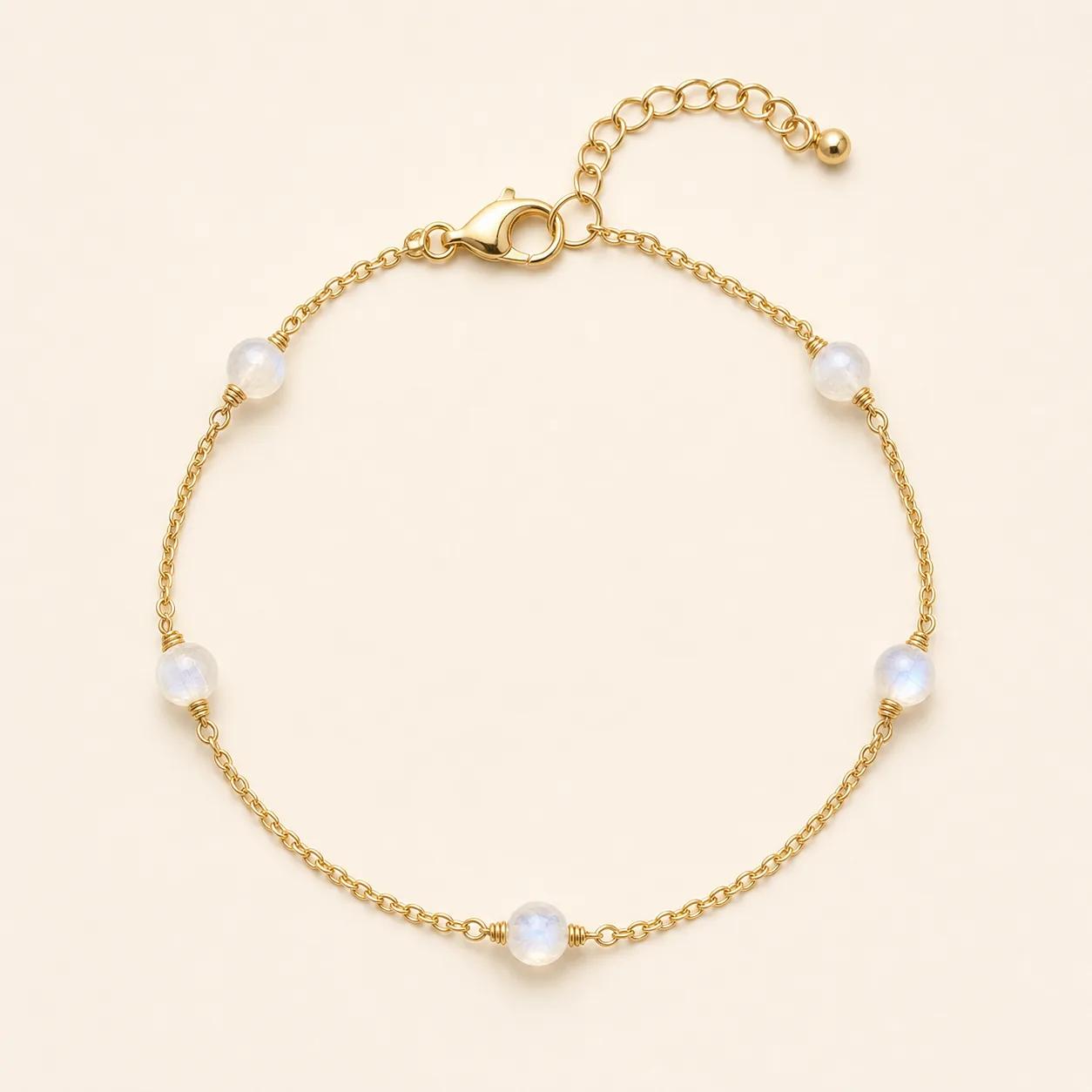
June's birthstone is Pearl (or Moonstone) — a gemstone symbolizing purity, loyalty, and quiet wisdom. It rates 2.5–4.5 on the Mohs hardness scale and is the traditional stone for June birthdays, set in handcrafted necklaces, rings, earrings and bracelets.

PurityLoyaltyWisdom
Pearl ($) — June birthstone

Primary Stone

Pearl

Mohs Hardness

2.5–4.5

Symbolizes

Purity · Loyalty · Wisdom

Alternative June Birthstone

Moonstone

June Pearl Jewelry

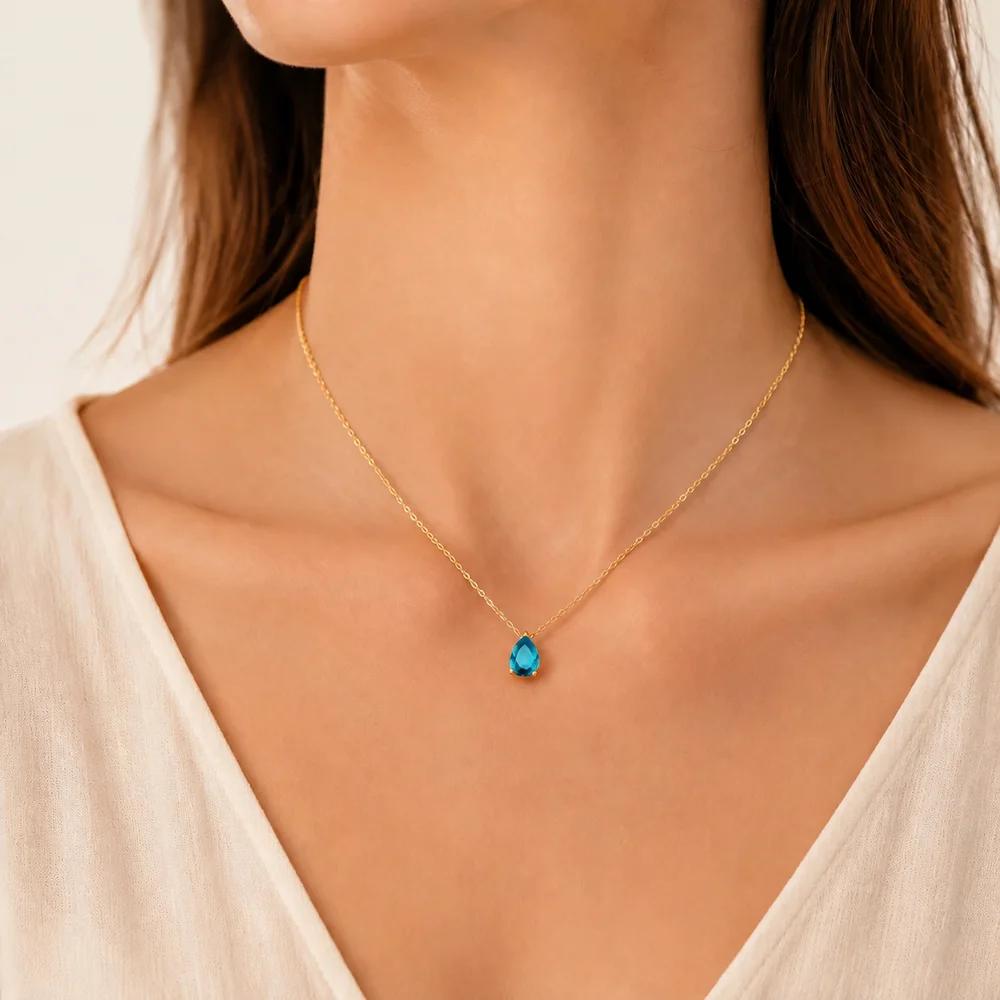
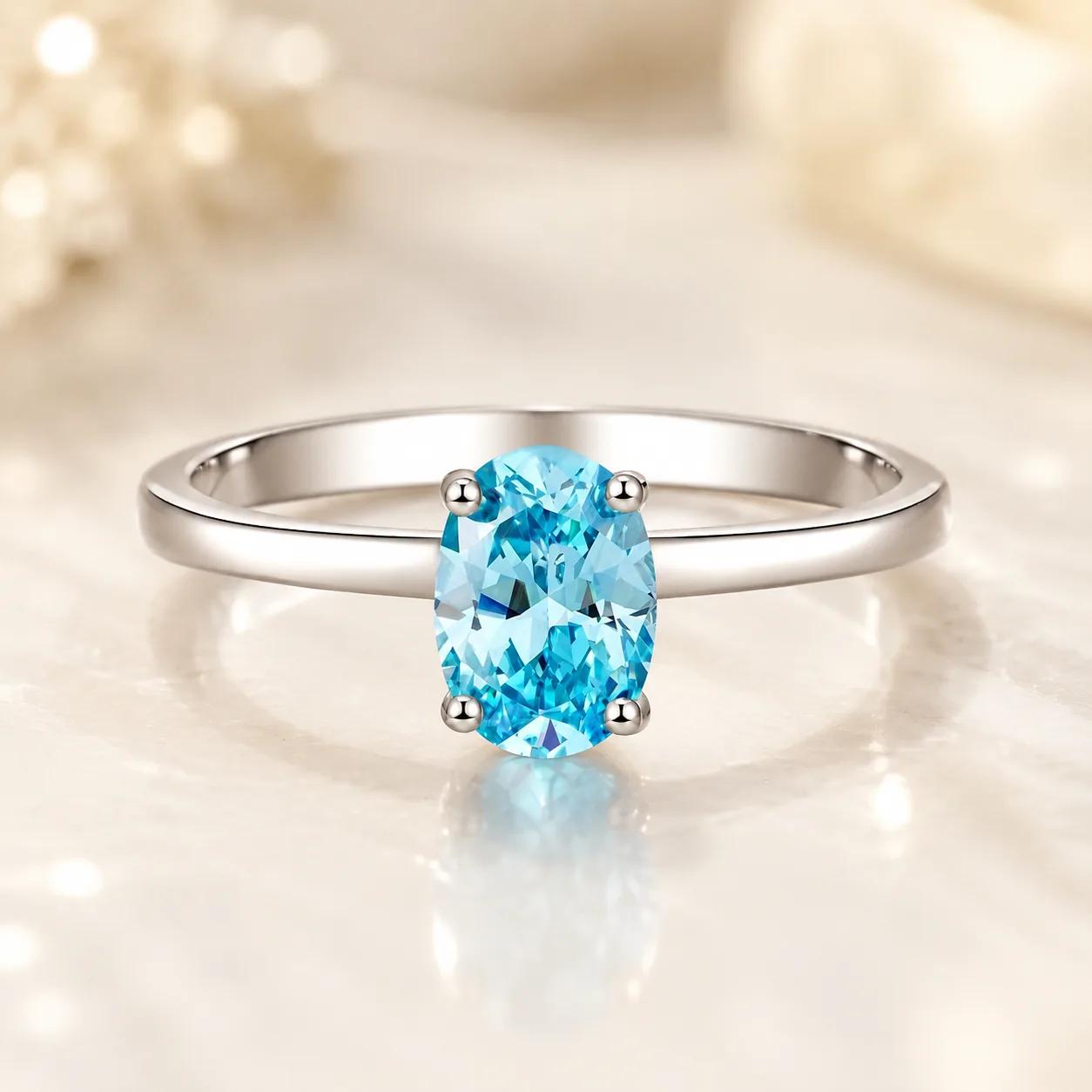
5 handcrafted pieces for June babies.

June Birthstone Gifts for Her

June birthstone gifts carry one clear message: I know your month, I know your stone. A Pearl necklace is the classic June gift for her — personal, everyday-wearable, and impossible to regift. For a mom, choose a 2-stone or 3-stone design that pairs her Pearl with her children's birthstones; for a grandmother, family pieces hold 4, 5 or even 6 stones — one per grandchild.

History & Lore of Pearl

Pearls are the world’s oldest gem, cherished by every great civilization. Cleopatra famously dissolved a pearl in vinegar to win a wager with Marc Antony. In Tudor England they signified wealth and purity, and they remain a bridal tradition across cultures to this day.

A symbol of purity gained through adversity — born inside a living shell from a single grain of sand — the pearl has long represented patience, integrity, and the quiet wisdom earned over time.

Symbolism: Purity, loyalty, and quiet wisdom.

How to Care for Pearl

Pearls are soft (2.5–4.5 Mohs) and organic, so they demand gentle care. Always put pearls on last — after cosmetics, perfume, and hairspray — and take them off first. Wipe with a soft cloth after wear, store flat in a silk pouch, and restring once a year if worn often. Never soak in water or use ultrasonic cleaners.

  • Mohs hardness: 2.5–4.5
  • Suitable for everyday wear depending on setting and lifestyle.
  • Store separately to avoid contact with harder stones.
Full guide: Can You Shower With a Pearl Necklace?Shop by stone: June Birthstone Jewelry Guide

Pearl Quick Facts

Everything about June's birthstone in one place.

Mineralogy

Mineral
Pearl / Moonstone (Feldspar)
Chemical Formula
CaCO3 / (K,Na)AlSi3O8
Crystal System
Orthorhombic / Monoclinic
Mohs Hardness
2.5 - 4.5 (Pearl) / 6 - 6.5 (Moonstone)
Specific Gravity
2.7 / 2.56
Refractive Index
1.52 - 1.69 / 1.52

Buying Guide

Primary Sources

Japan (Akoya), Tahiti, Australia, Sri Lanka (Moonstone)

Color Variations

White, Cream, Pink, Black (Tahitian), Blue sheen (Moonstone)

Popular Cuts

Round (drilled), Baroque, Cabochon (Moonstone)

Best For

June birthdays, 3rd and 30th anniversary, Brides, Gemini and Cancer

Avoid With

Acids (vinegar, perfume), Perspiration

The June Birthstone, Answered Directly

June is the calendar's richest month: three official birthstones — pearl (the traditional pick), moonstone, and alexandrite, the color-change modern addition from 1952. No other month offers a wider choice of character: pearl is organic and lustrous, moonstone glows with a soft blue sheen, alexandrite shifts green to raspberry with the light. Durability runs the same spread — alexandrite at Mohs 8.5 is the toughest stone in the calendar, pearl at 2.5-4.5 the softest — so June buyers choose not just a look but a lifestyle.

Raw Pearl, Moonstone, and Alexandrite: Three Different Births

The pearl is the calendar's only gem made by a living creature: nacre, layer upon microscopic layer of aragonite platelets bound by the protein conchiolin — the same brick-and-mortar structure that makes glow also makes softness. The moonstone is feldspar whose interior scatters light into the soft blue adularescence the trade names after the moon; it grows in the earth's most common mineral family and carries two cleavage directions that demand gentle settings. The alexandrite is chrysoberyl — chromium-bearing, Mohs 8.5, excellent toughness, no cleavage — and famously rare: fine color-change material is scarcer than diamond by most estimates, which is why the June modern stone often costs more than the other eleven months combined.

The color change is the signature: chromium lets the stone transmit red and green light in near-equal measure, so daylight reads it green and incandescent lamps read it raspberry — the old line is emerald by day, ruby by night. The three Junes, in one sentence: the sea's gem, the moon's gem, and the chameleon.

June Meanings: Tears, Moonbeams, and Good Fortune

Greek myth made pearls the tears of joy of Aphrodite; Chinese legend grew them from moonlight falling into open shells; Hindu tradition names moonstone a solidified moonbeam that brings good fortune. The alexandrite's meaning is younger and practical: discovered in Russia's Urals in the 1830s and named for a future czar, it became the stone of luck and adaptability — the gem that thrives in two worlds. In crystal tradition June's trio covers the full register: purity and new beginnings (pearl), intuition and calm (moonstone), and fortune through change (alexandrite) — beliefs with histories, offered here as heritage rather than medicine. Our birthstone meanings guide carries each stone's full lore.

How Our Artisans Hand-Set June's Three Stones

Each June stone gets its own workshop protocol. Pearls are drilled and set soft — never in prongs that bite — on silk or in gentle bezels, and never near torch heat or solvents; a pearl's luster is a surface that deserves respect (our pearl-shower guide covers the wearing rules). Moonstone earns protective bezels for daily wear because its cleavage planes remember any hard knock; cabochon domes show the blue sheen best. Alexandrite is the craftsman's luxury — hard enough for any setting including airy prongs, and usually cut to show the change: our setters position the stone so both lighting moods are visible as the hand turns. Color zoning is read stone by stone, and the June pieces that carry all three birthstones together are the shop's favorite custom orders.

How to Buy June Stones Without Regret

The honest guide to June is a care-and-budget map. Pearls: buy from sellers who state luster grade and nacre thickness; avoid bargain strands with paint-thin coating; expect to restring every year or two of regular wear. Moonstone: choose blue-sheen over milky white, check the dome for cracks, and treat it as a special-occasion ring or an everyday pendant. Alexandrite: the market's most faked rarity — lab-grown corundum and color-change glass imitate it, so a certificate matters more than a price tag; the honest budget alternative is fine color-change synthetic sold as what it is. Durability cheat sheet: alexandrite for daily rings, moonstone for pendants, pearls for everything worn with the last-on-first-off rule.

Who Should Receive June's Stones

June birthdays arrive as Gemini (through June 20) or Cancer (from June 21) — the communicators and the nurturers, and the trio serves both: pearls for the classic, moonstone for the dreamer, alexandrite for the rare. The anniversary calendar gives June unusual reach: pearl owns the 30th year, moonstone suits the quiet milestones, and alexandrite marks the 55th outright. The June gift that lands hardest in this shop's experience is the three-stone piece — one of each official stone, a wearable summary of the calendar's most generous month.

Are freshwater pearls real pearls?

Real, yes — and the question hides the honest distinction that actually matters: natural versus cultured. A natural pearl forms by accident in the wild with no human help and is a collector's rarity today; a cultured pearl forms the same biological way inside a farmed mollusk, which nearly every pearl sold anywhere has been for a century. Freshwater versus saltwater (Akoya, South Sea, Tahitian) then describes the mollusk and water, not the reality of the pearl.

The buying translation: 'cultured freshwater pearl' is a fully real pearl at the accessible end of the family, typically baroque-friendly and nacre-solid because the bead is tissue-nucleated. What is not a pearl: shell beads coated in pearl essence ('shell pearls') and glass imitations. If a listing avoids the word cultured or says simulated, it is telling you what it is.

Why does June get three birthstones?

Because June kept collecting. Pearl is the ancient answer — the original birthstone of the month, worn for millennia before there was a list. Moonstone joined as the soft alternative whose glow suited the month of weddings and midsummer nights. Alexandrite arrived in the official 1952 revision: the color-change rarity discovered in Russia's emerald mines became the modern face of June, green by day and red by night.

No other month spans such a range — organic gem, glowing feldspar, and color-shifting chrysoberyl — which is why June buyers get the calendar's widest personality test: the pearl wearer, the moonstone dreamer, and the alexandrite collector are three different people, and all three are right.

Does moonstone really glow in the dark?

It does not glow in the dark — it flashes blue in the light, at the right angle. That flash is adularescence: light scattering across microscopic layers inside the feldspar, so the stone lays a soft billow of blue over a milky body when it moves under a light source. Hold it still and it goes quiet; tilt it and the light travels. The effect is the stone's entire personality, and the reason moonstone jewelry is designed to move — pendants and earrings outrank rings for flash per dollar.

Care follows the geology: at 6–6.5 on Mohs, moonstone wants protection from knocks and never goes in an ultrasonic. Cleaned gently, the glow does not fade — it is structure, not coating, and it will still be traveling across the stone when the June baby's grandchildren wear it.

Handcrafted Pearl, made to be inherited.

Each piece is set by hand, one artisan, start to finish.

Shop Pearl Jewelry

Birthstone Guide

June Pearl FAQs

Everything about raw crystals, energy, handmade craft, and how to choose your pearl jewelry.

Is there a raw crystal version of pearl / moonstone? Can I get uncut birthstone jewelry?

Yes. For June we honor both pearl and moonstone. Raw moonstone forms in translucent chunks that flash blue or white when turned; our June pieces often preserve this natural, unpolished glow.

What is the energy or healing meaning of pearl / moonstone?

Pearl represents purity gained through adversity. Moonstone is linked to lunar cycles, intuition, and new beginnings. Together they carry the energy of patient transformation.

How is the handmade pearl / moonstone jewelry crafted?

Pearls are strung and knotted by hand, each pearl separated by a silk knot. Moonstone is hand-cut to orient its blue flash toward the viewer, a skill that takes years to master.

Who is pearl / moonstone the perfect gift for?

June is the gift for brides, graduates, and anyone emerging from a hard season. Pearl says your patience created something beautiful; moonstone says trust your intuition.

How can I tell if my pearl / moonstone is authentic?

Real pearl feels slightly gritty when rubbed gently against a tooth. Genuine moonstone shows a moving blue or white flash as you turn it.

What is the June birthstone?

June has three official birthstones: pearl (the traditional pick), moonstone, and alexandrite — the color-change modern stone added in 1952. No other month offers three officially; June buyers choose among the sea's gem, the moon's gem, and the chameleon.

What color is June's birthstone?

Three palettes: pearl's moonlight white, moonstone's soft blue sheen over a milky body, and alexandrite's green-to-raspberry shift with the light source.

Is alexandrite a good everyday stone?

Yes — Mohs 8.5, excellent toughness, no cleavage make alexandrite one of the most durable colored stones in jewelry. The constraint is price, not wear: fine color-change material is rarer than diamond by most estimates.

Find Your Pearl Piece

Handcrafted June birthstone jewelry, made to be inherited.

Shop Pearl Jewelry