October Birthstone

Opal

Every color, caught in one stone.

October's birthstone is Opal (or Tourmaline) — a gemstone symbolizing hope, creativity, and the full spectrum of feeling. It rates 5.5–6.5 on the Mohs hardness scale and is the traditional stone for October birthdays, set in handcrafted necklaces, rings, earrings and bracelets.

HopeCreativityJoy
Opal ($) — October birthstone

Primary Stone

Opal

Mohs Hardness

5.5–6.5

Symbolizes

Hope · Creativity · Joy

Alternative October Birthstone

Tourmaline

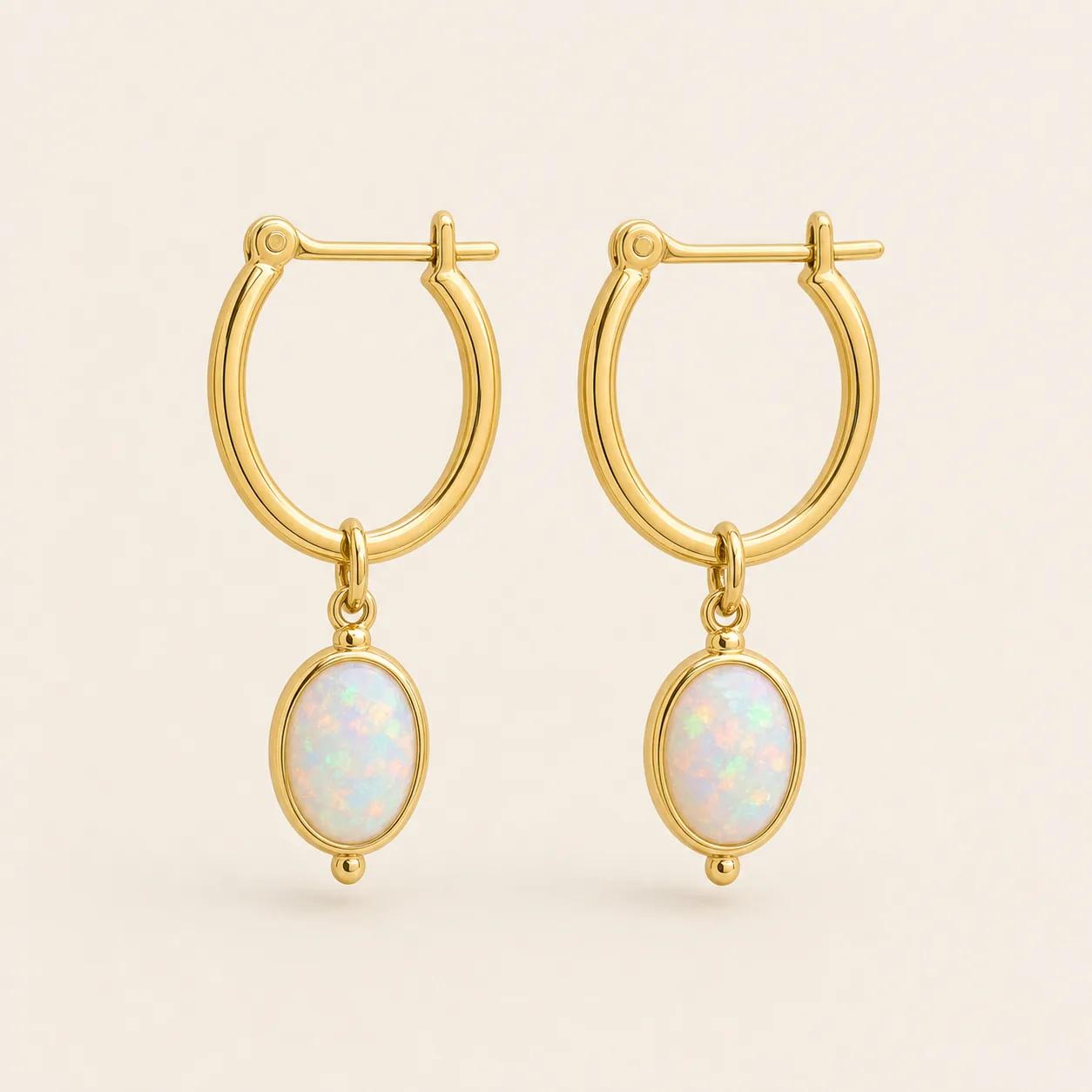
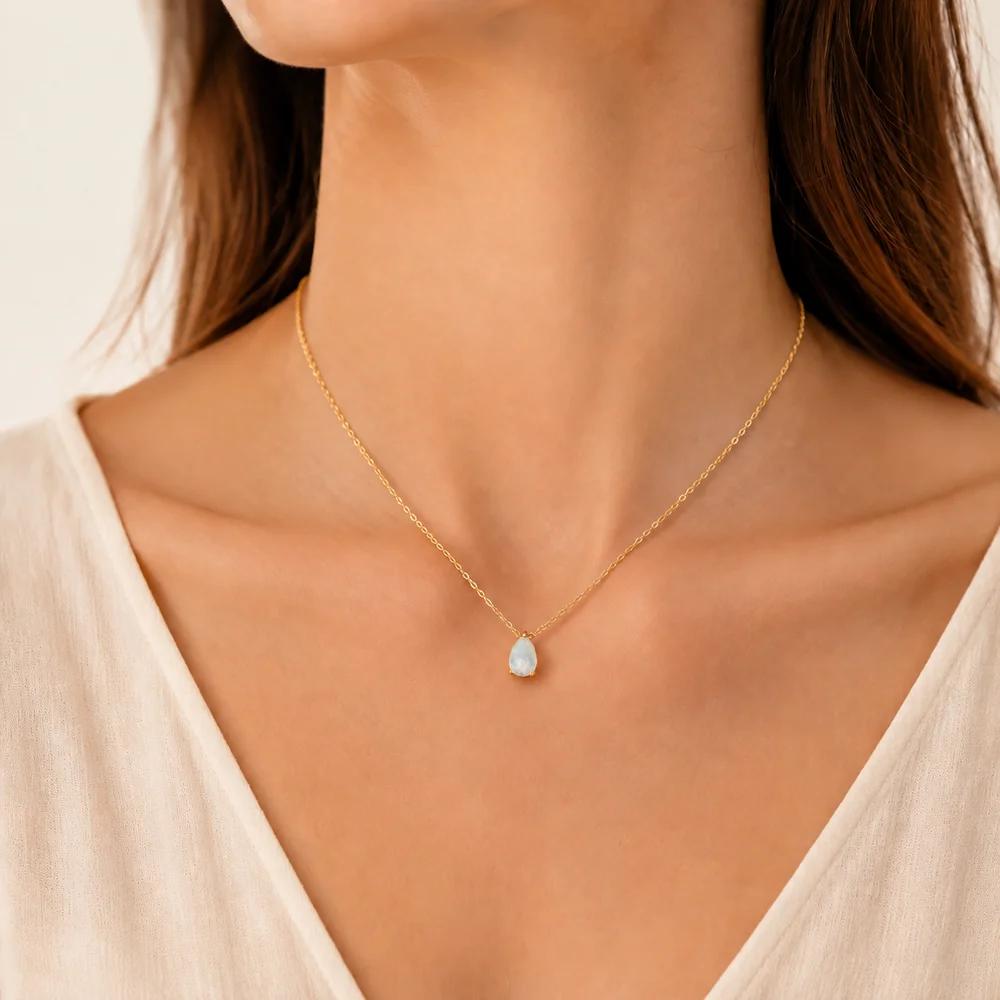
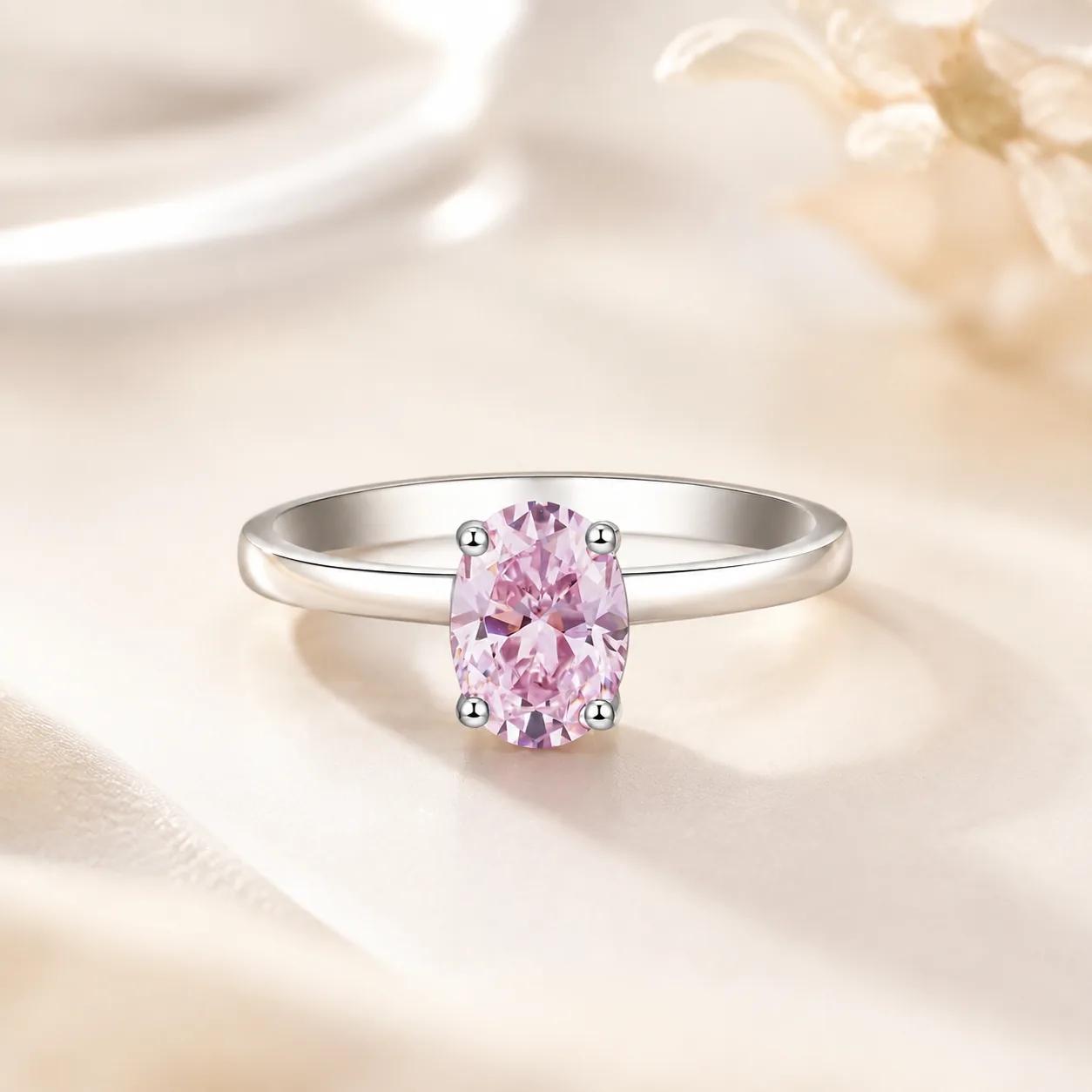
October Opal Jewelry

4 handcrafted pieces for October babies.

October Birthstone Gifts for Her

October birthstone gifts carry one clear message: I know your month, I know your stone. A Opal necklace is the classic October gift for her — personal, everyday-wearable, and impossible to regift. For a mom, choose a 2-stone or 3-stone design that pairs her Opal with her children's birthstones; for a grandmother, family pieces hold 4, 5 or even 6 stones — one per grandchild.

History & Lore of Opal

Ancient Romans treasured opal above all gems, calling it "cupid stone" for its rainbow play of color. Bedouins believed opals fell from the sky in lightning storms. In the 19th century a novel by Sir Walter Scott briefly gave opals an undeserved reputation as unlucky — a myth the modern market has long outgrown.

Opal is the stone of inspiration and originality, said to amplify every emotion and creative impulse. Wearing it close is believed to encourage spontaneity, hope, and the courage to express what is uniquely yours.

Symbolism: Hope, creativity, and the full spectrum of feeling.

How to Care for Opal

Opal is delicate (5.5–6.5 Mohs) and contains up to 20% water, so it must never dry out or freeze. Avoid prolonged sun, extreme heat, and sudden temperature swings. Clean with a damp soft cloth — never soak, never ultrasonic. Store in a slightly humid environment, such as a sealed bag with a damp cotton pad, to prevent cracking.

  • Mohs hardness: 5.5–6.5
  • Suitable for everyday wear depending on setting and lifestyle.
  • Store separately to avoid contact with harder stones.
Full guide: How to Clean Opal Without Damaging ItShop by stone: October Birthstone Jewelry Guide

Opal Quick Facts

Everything about October's birthstone in one place.

Mineralogy

Mineral
Opal / Tourmaline
Chemical Formula
SiO2.nH2O / Complex borosilicate
Crystal System
Amorphous / Trigonal
Mohs Hardness
5.5 - 6.5 (Opal) / 7 - 7.5 (Tourmaline)
Specific Gravity
2.1 / 3.06
Refractive Index
1.45 / 1.62 - 1.64

Buying Guide

Primary Sources

Australia, Ethiopia, Mexico (Fire Opal), Brazil (Tourmaline)

Color Variations

White opal (full spectrum), Black opal, Fire opal (red/orange), Watermelon tourmaline

Popular Cuts

Cabochon, Freeform, Oval, Faceted (tourmaline)

Best For

October birthdays, 14th anniversary, Creative souls, Libra and Scorpio

Avoid With

Dry conditions (cracks), Sudden temperature changes

The October Birthstone, Answered Directly

October has two official birthstones: opal, the traditional rainbow stone, and pink tourmaline, added in the 1952 revision as a durable companion. The pairing is a personality test: opal is play-of-color — flashes of every hue across a soft, water-bearing stone — while tourmaline is a hard, honest crystal in a single clean pink. Durability decides most October purchases: opal at Mohs 5.5-6.5 asks for gentle wear, tourmaline at 7-7.5 takes daily life, and the GIA advises keeping both away from ultrasonic machines.

Raw Opal and Tourmaline: The Rainbow Pair

Opal is silica gel settled into spheres over geological time — its play-of-color is physics, not pigment: ordered spheres diffract light into spectral flashes, which is why no two opals match. It holds water within its structure (a few percent, sometimes more), and that water is both the magic and the caution: too-fast drying can craze a stone, and heat or vibration does the rest. Tourmaline grows in prismatic crystals famous for their range — the family spans black to watermelon bicolor — but October's claim is the pink: rubellite's softer cousin, steady and clean in generous sizes, from Brazil and Africa.

October Meanings: Hope and the Heart

Opal's meaning survived a novel: Rome called it the stone of hope and Pliny praised it as all gems in one, and the nineteenth century's bad-luck rumor — traced to a bestseller and fed by competing trades — has been debunked by every honest history since; Queen Victoria's answer was to give opals to her daughters. Tourmaline's pink tradition is the heart stone: emotional warmth, love given and received — the modern October birthstone reads as opal's rainbow translated into a single feeling. October babies arrive as Libra (through October 22) or Scorpio (from October 23), and the two stones serve the diplomat and the passionate in turn.

How Our Artisans Hand-Set October's Stones

Opal setting is protective craft: bezels rather than prongs, domed cabochons rather than thin slices, and a bench rule against torch heat near a finished stone. The triplet opals (slices laminated for strength) get extra respect for their glue lines. Tourmaline is the calmer client — Mohs 7-7.5 takes normal wear — but its elongated crystal habit means emerald cuts and rectangles that show the pink clean, and its pleochroism means our setters rotate each stone to its best face before committing the prongs. October is the month of two workshops in one: the conservator's bench and the jeweler's.

How to Buy Opal and Tourmaline Without Regret

Opal honesty is about water and layers: a solid opal is the real article; doublets and triplets are honest constructions that must be sold as such, and they fail if soaked. Test the play-of-color under moving light — the best stones flash from every angle — and price follows the brightness of the fire, not the white of the body. Tourmaline honesty is about treatment: much pink tourmaline is heat-treated or irradiated toward its final shade, stable and accepted when disclosed; the buying rule is saturation without zoning, and a certificate for anything expensive. Durability again: opal for special-occasion pieces, tourmaline for the daily ring.

Who Should Receive October's Stones

The October birthday gets the calendar's most expressive choice — the rainbow or the pink, the spectacle or the warmth. Opal suits the anniversary of a couple whose colors never settled on one; pink tourmaline suits the love that did. The gift logic is simple: give opal to the person who lights up a room, tourmaline to the person who warms it.

Opal or tourmaline for an October baby?

October's two stones are a temperament test. Opal is the spectacle: play-of-color across every hue, no two stones alike, priced by the drama of its flash — and fragile in the way that spectacle deserves (5.5–6.5, contains water, wants gentle settings and gentler habits). Tourmaline, added to the official list in 1952, is the workhorse rainbow: one mineral family spanning pink, green, watermelon bicolors and more, at 7–7.5 durable enough for daily rings.

The honest chooser: opal for the October baby who displays jewelry like art and accepts care instructions; tourmaline for the one whose rings live on working hands. Pink tourmaline — the 1952 addition — splits the difference beautifully: October's official second stone, wearable every day, warm where opal is spectral.

Can opals really be damaged by water?

The fear is overrated but not baseless. Opal contains water within its silica structure — commonly a few percent, in some stones up to a fifth by weight; brief contact — rain, hand-washing, a quick rinse — does nothing. The genuine risks are extremes: prolonged soaking (which can eventually affect some opals' stability), harsh drying (hot showcases, direct heat, rapid humidity swings), and above all ultrasonic cleaners, whose vibrations and heat are the classic opal killer. Australian solid opal, the market standard, is tougher than the folklore suggests.

The care sheet is one line: damp soft cloth after wear, never submerge for long, never ultrasonic, never on the sunny windowsill. Follow that and an opal outlasts the myth about it.

What is play-of-color, scientifically?

Not pigment — architecture. Precious opal is packed with billions of silica spheres stacked in orderly rows, each sphere about the size that visible light waves can negotiate with. Light entering the stone diffracts off this lattice the way it diffracts off a CD's grooves: different sphere sizes and stack spacings return different wavelengths, and the eye receives patches of pure spectral color that move as the stone or the light moves.

This is why opal is graded by its flash rather than its body alone — the size and boldness of those color patches is the stone's actual value driver. It is also why no two opals match: no two random sphere-stackings in nature ever repeat. October's stone is, literally, a one-off optical instrument every time.

Handcrafted Opal, made to be inherited.

Each piece is set by hand, one artisan, start to finish.

Shop Opal Jewelry

Birthstone Guide

October Opal FAQs

Everything about raw crystals, energy, handmade craft, and how to choose your opal jewelry.

Is there a raw crystal version of opal / tourmaline? Can I get uncut birthstone jewelry?

Yes. Raw opal forms in irregular nodules with a haunting play of color that shifts as you turn the stone. Our October designs can feature natural opal slices that preserve the stone organic, watery origin.

What is the energy or healing meaning of opal / tourmaline?

Opal is the stone of inspiration and originality, said to amplify every emotion and creative impulse. Tourmaline is believed to clear negative energy and balance the chakras.

How is the handmade opal / tourmaline jewelry crafted?

Opal is one of the most delicate stones to set. Our artisans hand-cut each opal slice to preserve its play of color, then set it in protective bezels that wrap the stone edges in metal.

Who is opal / tourmaline the perfect gift for?

October opal is the gift for the creative: the artist, the dreamer, the person who sees colors others miss. Either says your full self is welcome here.

How can I tell if my opal / tourmaline is authentic?

Genuine opal shows a moving play of color as you turn it. Imitation opals have a regular pattern that looks the same from every angle.

What is the October birthstone?

October has two official stones: opal, the traditional play-of-color rainbow, and pink tourmaline, added in 1952. Opal suits special-occasion wear at Mohs 5.5-6.5; tourmaline at 7-7.5 handles daily life — the pairing lets October buyers choose by lifestyle.

What color is October's birthstone?

Every color, if it is opal — play-of-color flashes the spectrum from a soft-bodied stone. Pink tourmaline, the modern October stone, is a single clean rose.

Is opal bad luck?

No — the rumor traces to a nineteenth-century novel and rival-trade gossip, and honest histories have debunked it since. Rome called opal the stone of hope; Queen Victoria's answer to the rumor was to give opals as gifts. The only real caution is physical: opal is soft and wants gentle wear.

Find Your Opal Piece

Handcrafted October birthstone jewelry, made to be inherited.

Shop Opal Jewelry