Jade Jewelry Guide: Two Minerals, Three Continents, One Stone of Heaven
Jade is actually two different minerals — jadeite and nephrite — and cultures on three continents built their highest ideals around both. How to buy, what A-jade means, and wearing it right.
Yueounb Editorial
Gemology Researcher
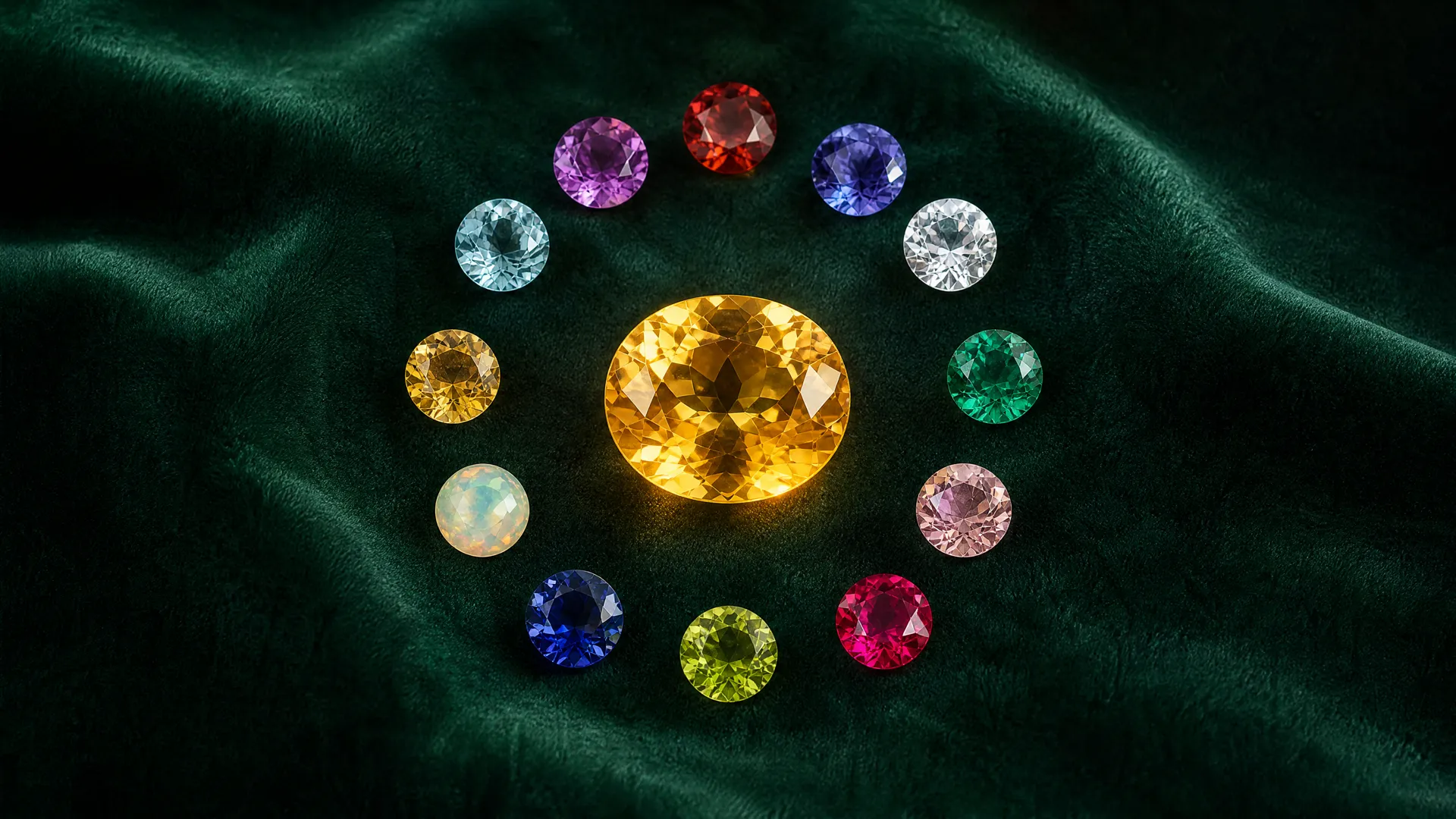
Jade is the gemstone that got two minerals by accident: jadeite (the imperial green Burmese stone) and nephrite (the tougher spinach-to-white stone of Chinese antiquity and Maori New Zealand). Science split them only in 1863; by then both had already carried civilizations — China built its highest virtues around nephrite for four thousand years (confucius catalogued eleven virtues of the stone), the Maori made nephrite pounamu their most sacred objects, and Mesoamerica worked jadeite as more precious than gold. No other gem carries three unconnected civilizations' highest ideals.
Quick Answer: Buying Jade - **Which mineral:** jadeite = the vivid green imperial material (Burmese); nephrite = tougher, quieter greens and whites — both are real jade - **The treatment alphabet (jadeite):** **A-jade** = untreated, waxed only; **B-jade** = acid-bleached and polymer-filled (avoid); **C-jade** = dyed (avoid) — ask for the letter, expect certification for A - **Color:** imperial green is the summit; apple green, lavender, and icy white each have serious markets - **Toughness:** jade is the toughest gemstone on earth (not hardest — toughest: it resists breaking like nothing else)
The distinction everyone buying jade must know is the treatment letter. A-jade is natural stone with at most surface wax — the collectible material, certifiable. B-jade has been bleached and polymer-injected to look cleaner, and the polymer degrades in years; C adds dye. Honest sellers state the letter; certificates from reputable labs state it in writing. The price gap between A and B is enormous, which is exactly why the letters get fudged — buy A with paper or don't buy.
Wearing jade is a low-drama ritual: its toughness means bangles and rings survive what would kill other stones, its subdued luster (a soft glow, not a sparkle) pairs with everything quiet, and the bangle — the one-piece jade circle worn over the hand for life — is the format the material was born for. In the Chinese tradition a jade bangle is a protection piece, often a mother-to-daughter hand-down; it breaks, tradition says, so you do not. The birthstone bracelets hub frames the wrist formats, and the stone-first gifting logic (which months suit which stones) runs in what does my birthstone mean.
Value honesty to finish: jade pricing runs on color, translucency, and treatment-grade — a transparent imperial green A-jade piece is one of the most expensive objects per gram in jewelry, while quiet nephrite pieces remain genuinely affordable. Decide whether you are buying art or buying meaning before you shop: art wants certificates and budgets; meaning wants a bangle that fits and a story you would tell your daughter. Both purchases are correct — they are just different purchases.
Frequently asked.
What is the difference between jadeite and nephrite?
Two different minerals both called jade: jadeite is the finer-grained, more vivid stone (Burmese imperial green is jadeite); nephrite is tougher, denser, and quieter in color — the stone of ancient China and Maori pounamu. Science separated them in 1863; both remain legitimate jade, with jadeite commanding the higher prices at the top.
What does A-jade mean?
The treatment grade: A-jade is natural, untreated stone (surface wax allowed), the only grade that holds value and the only one worth certifying. B-jade is acid-bleached and polymer-filled — the polymer ages badly; C-jade is dyed. The letters exist because the price gap between A and B is enormous; demand the letter and the certificate.
Is jade hard enough for a daily bracelet?
Hardness is the wrong word — toughness is jade superpower: it is the most break-resistant gemstone known, which is why jade bangles have been daily-wear heirlooms for millennia. It scratches easier than sapphire (Mohs 6-7), so store it away from diamonds, but cracking a jade bangle takes violence that would shatter most gems outright.
Why do jade bangles break, according to tradition?
The tradition says the bangle takes the hit so the wearer does not — a broken jade bangle is read as the stone having absorbed misfortune. That is why jade bangles are handed down mother-to-daughter and worn for life rather than retired with fashion.
What color jade is most valuable?
Imperial green — an intense, translucent, slightly blue-leaning green from Burmese jadeite — sits at the summit of jade pricing. Apple green and lavender follow; icy white translucent jadeite has a serious modern market. In nephrite, spinach and mutton-fat white are the classical peaks at far friendlier prices.
Related Articles
A Brief History of Birthstones
From the twelve tribes of Israel to the 1912 standard that rules the modern list — the 3,500-year origin story of why we wear our birth month.
Read MoreThe Ultimate Birthstone Cleaning Guide
Keep every piece in your collection gleaming. Step-by-step methods for gold, silver, and delicate birthstones — no harsh chemicals needed.
Read MoreBirthstone Energy: A Complete Crystal Healing Guide
From root chakra grounding to crown chakra clarity, discover how each birthstone carries healing energy. Learn to activate your crystal for meditation, sleep, and daily intention.
Read More