Gemstone Jewelry for Beginners: Stone, Metal, Setting, Budget
Gemstone jewelry differs from plain metal jewelry in one crucial way: the stone sets the rules.
Yueounb Editorial
Gemologist
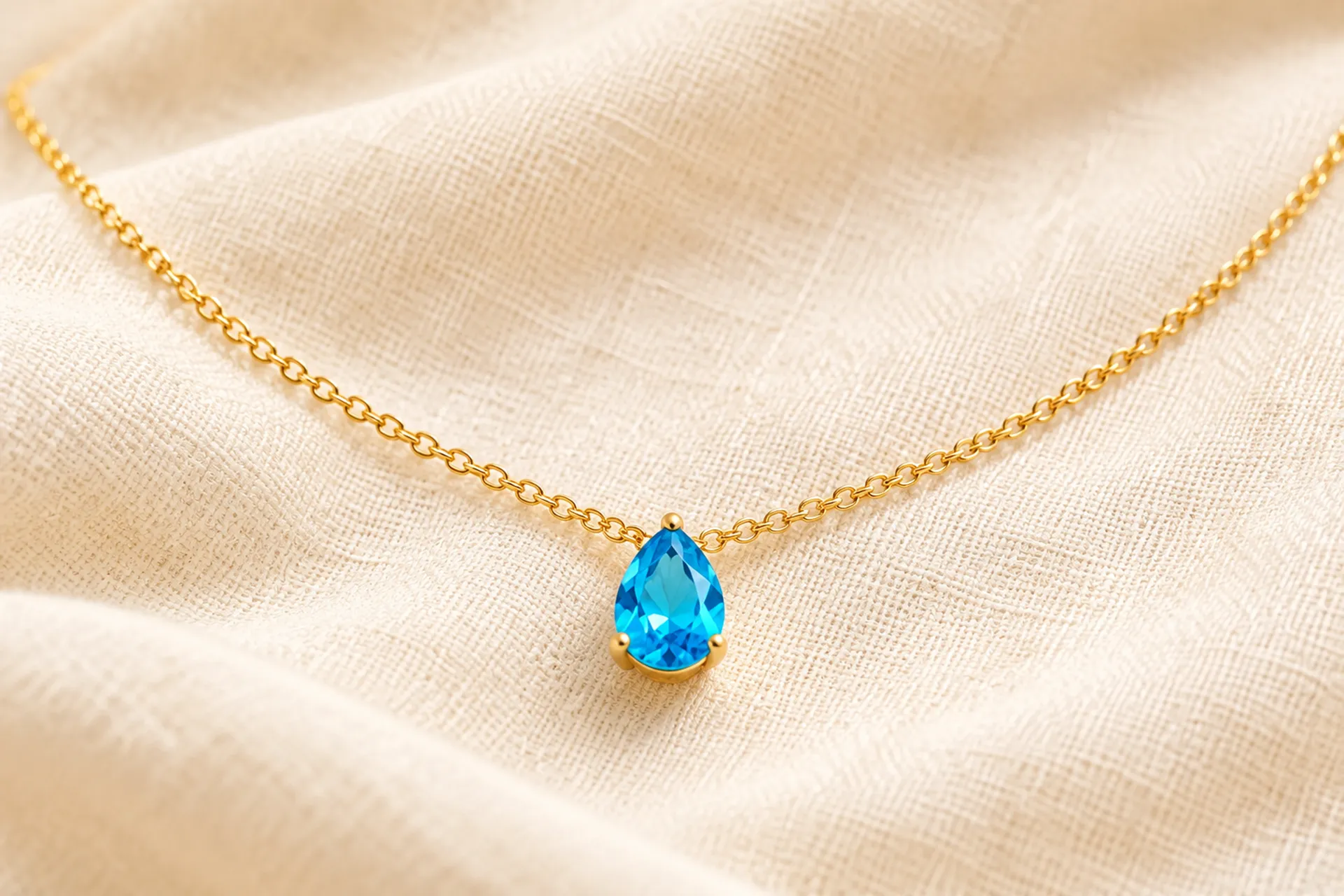
Gemstone jewelry differs from plain metal jewelry in one crucial way: the stone sets the rules. A diamond's hardness doesn't protect an emerald from a knock, and a $60 amethyst ring can outlast a $600 opal pendant if you treat them right. For beginners, the smartest path is to buy based on durability (hardness + toughness + stability), choose metals and settings that match how you'll actually wear the piece, and start with a modest budget tier. This guide walks through exactly that—no jargon, no upselling.
| Question | Short Answer |
| --- | --- |
| What should my first gemstone piece be? | A ring or pendant in a durable stone—garnet, amethyst, peridot, or sapphire—in 14k gold or platinum over sterling. |
| How much should I spend? | $50–$100 for fashion pieces; ~$200 for everyday wear in precious metal; ~$500 for a signature piece with a finer stone. |
| What matters most: stone, metal, or setting? | The stone's durability, then the setting. A beautiful stone in a fragile setting fails fast. |
| Can I wear gemstone jewelry daily? | Only stones with good hardness *and* toughness—sapphire, ruby, garnet. Softer stones like opal and pearl need occasional wear. |
What Makes a Gemstone Durable?
Most beginners assume "hard stone = durable stone." That's the single most expensive misconception in this hobby.
Hardness — resistance to scratching, measured on the Mohs scale (1–10). Diamond sits at 10; talc at 1. - Toughness — resistance to breaking and chipping. This is where many hard stones fail. Diamond, despite its 10, has only good-to-fair toughness because it cleaves along crystal planes. Jadeite jade, around Mohs 6.5–7, has exceptional toughness due to its fibrous structure. - Stability — resistance to heat, light, and chemicals. Amethyst can fade under prolonged UV exposure; emeralds are routinely oil-filled and can be damaged by ultrasonic cleaning or even hot soapy water. Durability, GIA reminds buyers, is three properties working together — hardness, toughness, and stability — not the Mohs number alone.
Add treatment status to the picture. Most sapphires on the market are heat-treated (a stable, widely accepted enhancement), while dyed jade or irradiated-and-unstable topaz require more caution. A reputable seller discloses treatments; if they can't tell you whether a sapphire is heated or untreated, walk away. For a stone-by-stone reference, the International Gem Society orders the major gems by Mohs hardness.
Practical consequence: an emerald (Mohs 7.5–8) can look pristine for decades as earrings but chip in a ring worn while doing dishes. A peridot (Mohs 6.5–7, fair toughness) is beautiful but belongs away from elbows-and-doorknobs duty.
How Do You Build a First Collection?
The collection-building mistake I see most often: buying three similar stones in similar settings, then realizing nothing works together or fits daily life.
1. Start with one everyday piece in a proven-durable stone. Sapphire, ruby, and garnet survive daily wear. This is your workhorse. 2. Add color variety through occasional-wear pieces. Softer or more delicate stones—opal, emerald, pearl, turquoise—shine here because you control the exposure. 3. Anchor around meaning if it matters to you. Birthstones are a natural framework. If you were born in January, a garnet piece is both meaningful *and* durable—a rare double win. A July ruby checks the same boxes at a higher price.
For the full durability verdict on which stones truly hold up to daily wear, including the three-factor breakdowns stone by stone, see our companion guide on choosing the best stone for jewelry (linked in the journal).
Which Metal and Setting Should You Choose?
Mohs 7 or above for a daily-wear ring; 6+ is acceptable for pendants and earrings, which take less abuse. - Ask for treatment disclosure in writing. Heat treatment is fine; undisclosed dyeing is not. - Inspect under natural light if possible. Store lighting flatters color.
14k gold — the beginner's sweet spot. Durable, hypoallergenic enough for most people, holds value better than plated options. - Sterling silver — affordable and beautiful, but it tarnishes and needs occasional polishing. Fine for pendants; less ideal for rings that get knocked around. - vermeil / gold-plated — budget-friendly, but the plating wears off in 1–3 years of regular wear. Know what you're buying. - Platinum — extremely durable and hypoallergenic, at a premium price. Worth it for a piece you plan to keep for decades.
Bezel settings (metal wraps around the stone's edge) protect stones best—ideal for softer gems and for people who work with their hands. - Prong settings let in more light and show off the stone, but prongs catch on fabric and can loosen. Annual prong checks are cheap insurance. - Check the stone sits flush. A raised stone in a ring is a chip waiting to happen.
How Should You Care for Gemstone Jewelry?
Gemstone care is less about products and more about two habits:
1. Last on, first off. Put jewelry on after lotion, perfume, and hairspray; remove it before swimming, cleaning, or the gym. Chlorine and ammonia are the two worst household offenders for both stones and gold alloys. 2. Clean gently. Warm water, mild dish soap, and a soft toothbrush handle 90% of cleaning needs safely for most untreated stones. The critical exceptions: emeralds (oil-filled—no soaking, no ultrasonic), pearls and turquoise (wipe with a damp cloth only, never soak), and any fracture-filled stone.
We cover stone-specific cleaning methods in detail in our gemstone cleaning guides—worth reading before your first piece rather than after your first casualty.
Store pieces separately. Stones harder than others will scratch softer neighbors, and a diamond ring loose in a pouch with an opal pendant is how collections die early.
How Much Should You Spend on Gemstone Jewelry?
At this level, buy sterling silver or vermeil with amethyst, garnet, citrine, or blue topaz. These stones are genuinely beautiful—amethyst in particular offers rich color for very little money—and the goal is discovering what colors and shapes you actually wear, not what you think you'll wear. Expect plating or silver to show wear within a couple years. That's fine; this is tuition.
This is the most important tier. Here you get solid 14k gold (smaller pieces) or heavy sterling, with a stone chosen for durability: garnet, peridot in a protective setting, or smaller sapphires. A $200 garnet ring in 14k gold with a bezel setting can genuinely last decades. Prioritize construction quality over carat size—this is where most beginners overpay for a bigger, softer stone that chips in month three.
Now you're choosing between a finer sapphire (likely heat-treated, which is standard and fine), a larger semi-precious stone in a substantial gold setting, or stepping toward precious stones like a small ruby or an emerald—with the durability caveats emeralds carry. At this tier, always buy from a seller who provides treatment disclosure and a return window, and get an independent appraisal if the piece is insured-value significant.
One honest note: gemstone jewelry at consumer retail prices is generally not an investment. Buy because you love it and will wear it. Pieces tied to meaning—your birthstone, an anniversary milestone like the 25th (silver) or a partner's birth month—tend to hold their value to *you* far more reliably than to any resale market.
What is the best gemstone for a first piece of jewelry? Sapphire is the strongest all-around answer: Mohs 9, good toughness, excellent stability, and heat-treated stones are affordably priced and honestly disclosed by reputable sellers. Garnet is the best budget alternative (Mohs 6.5–7.5 with fair-to-good toughness). For pendants rather than rings, amethyst offers the most visual impact per dollar, since necklaces take far less abuse than hands do.
Can I wear gemstone jewelry every day? Yes, if you pick stones that combine hardness and toughness—sapphire, ruby, garnet—and a protective setting like a bezel. Softer stones (opal, pearl, turquoise, emerald) should be occasional-wear pieces removed before washing, swimming, or sleeping. Even durable pieces last longer if you take them off at the gym. Metal choice matters too: 14k gold and platinum handle daily wear far better than plated settings.
How do I know if a gemstone is real or fake? Buy only from sellers who disclose treatments in writing and offer returns. Red flags: "lab-created" hidden in fine print when the listing says gemstone (lab stones are real crystal, but should be labeled), prices too good to be true on ruby or emerald, and glass-backed composite stones sold as natural. For significant purchases ($500+), an independent gemologist appraisal costing roughly $50–$150 provides verification.
Do I need different cleaning methods for different gemstones? Yes. Warm water, mild soap, and a soft brush work for most hard, untreated stones (sapphire, garnet, amethyst). But emeralds should never be soaked or ultrasonically cleaned due to oil fillings; pearls and turquoise should only be wiped with a slightly damp cloth; and any dyed or fracture-filled stone needs dry, gentle handling. When in doubt, the safest universal method is a damp soft cloth and pat-dry.
Related Articles
A Brief History of Birthstones
From the twelve tribes of Israel to the 1912 standard that rules the modern list — the 3,500-year origin story of why we wear our birth month.
Read MoreThe Ultimate Birthstone Cleaning Guide
Keep every piece in your collection gleaming. Step-by-step methods for gold, silver, and delicate birthstones — no harsh chemicals needed.
Read MoreBirthstone Energy: A Complete Crystal Healing Guide
From root chakra grounding to crown chakra clarity, discover how each birthstone carries healing energy. Learn to activate your crystal for meditation, sleep, and daily intention.
Read More