Ethical Gemstone Sourcing: What Conflict-Free Really Means
Conflict-free diamonds are certified. Colored gemstones mostly are not. The four honest sourcing routes, the right questions to ask any seller, and what
Yueounb Editorial
Jewelry Expert
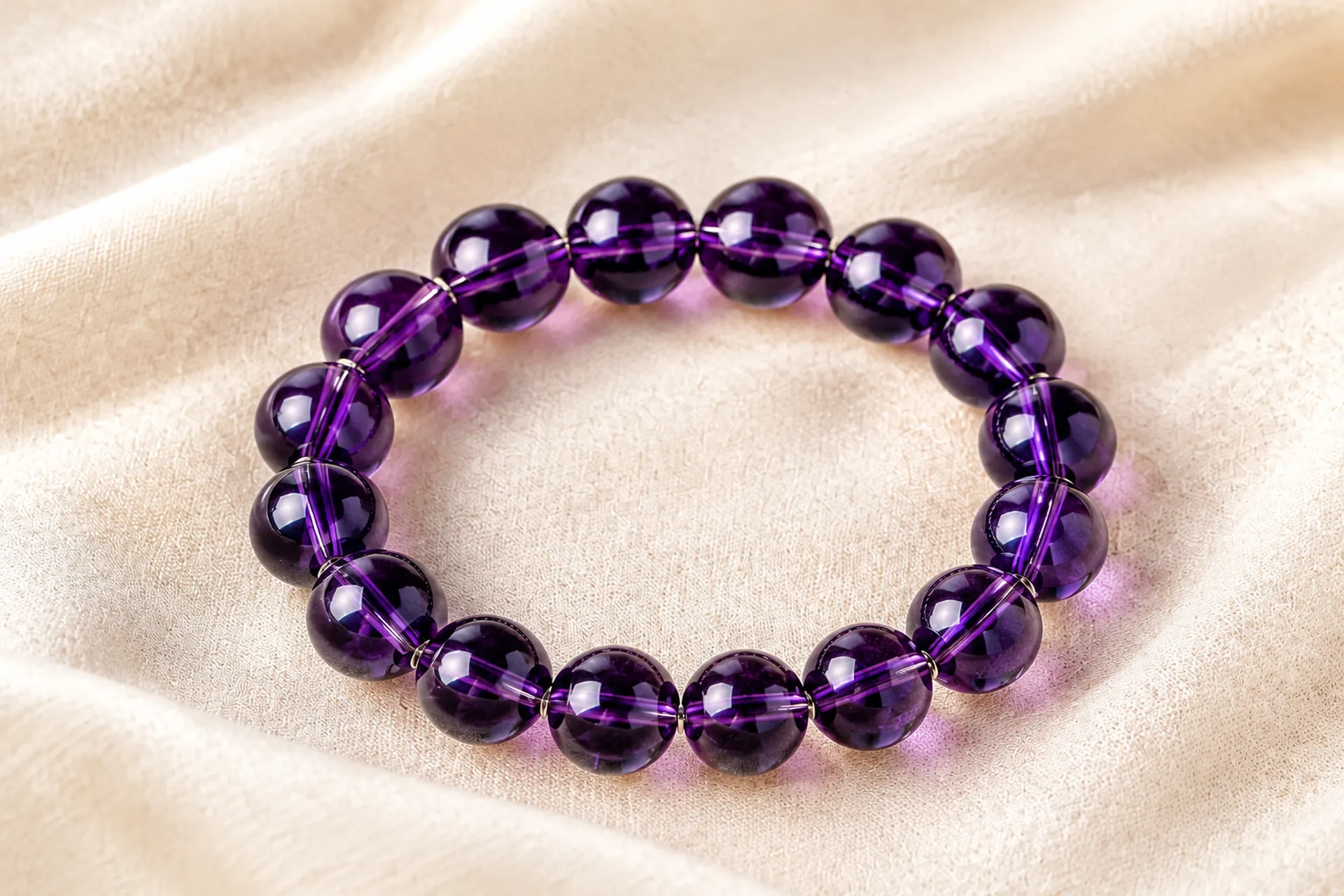
Ethical gemstone sourcing means the stone can answer three questions with evidence: where it was mined, who mined it under what conditions, and what environmental damage the mining did. Diamonds answer through the Kimberley Process certification; colored gemstones — 80 percent of the market by volume — have no equivalent global system, which makes buyer questions the real certification.
| Sourcing route | What it means | Strength | Weakness |
| Kimberley Process diamond | UN-backed cert chain against conflict diamonds | Universal, certificate-backed | Covers diamonds only; misses labor and environment |
| Traceable artisanal | Named mine, often named cooperative | Verifiable, supports small miners | Limited supply, modest premium |
| Lab-grown | Created in a lab, zero mining | Perfectly traceable, no land damage | No rarity value; energy use varies |
| Recycled / vintage | Existing stones re-set | Zero new extraction | Provenance before recycling unverifiable |
The diamond answer, precisely stated. The Kimberley Process (2003) certifies rough diamonds against conflict-finance — it works, conflict diamonds fell from ~15 percent to under 1 percent of trade. Its honest limits: it does not cover labor conditions, environmental restoration, or any gemstone that is not a diamond. The stronger diamond standard is full chain-of-custody documentation, which serious retailers provide on request.
The colored-gemstone problem, honestly. Rubies have financed conflict in Myanmar; tanzanite passed through child-labor periods in Tanzania; artisanal sapphire mining spans everything from fair cooperatives to debt-bonded pits — and none of it violates any global certificate, because for colored stones there is none. Industry bodies (the Responsible Jewellery Council, gemological origin-verification research) are building answers, but in 2026 the practical verification is: seller transparency, origin naming, and willingness to answer written questions.
The five questions that make a seller sweat, in the right order. Where was this stone mined — country at minimum, ideally district? Who cut it and where? What treatments has it had, disclosed in writing? Do you have a written sourcing policy I can see? Can any of this be verified? Sellers with real supply chains answer these easily; sellers who cannot, deflect to everyone-is-ethical generalities — which is itself the answer.
Lab-grown, stated fairly both ways. Grown stones (real crystal, made above ground) eliminate mining entirely and are chemically identical to their natural counterparts — that is their ethical strength and their value weakness: unlimited supply means no rarity, so a lab sapphire costs a tenth of natural and resells near zero. The ethical buyer buys lab-grown for the origin, not as an investment. Vintage and recycled stones are the quiet third route: zero new extraction, and a hundred-year-old stone has already outlived its mining footprint.
What we claim, and why we can: every stone we set is named by species and origin at point of sale, treatments disclosed in writing, and purchased through suppliers who answer the five questions above. That is the honest ceiling of what a small maker can verify in 2026 — no one in the industry can do more for colored stones today, and anyone claiming a colored-gemstone Kimberley equivalent is selling comfort, not fact.
Frequently asked.
What does conflict-free actually certify?
For diamonds: the Kimberley Process, a UN-backed chain certifying the stone did not finance armed conflict — conflict diamonds fell from 15 percent of trade to under 1 percent. For colored gemstones: no global system exists; seller transparency and named origin are the practical verification.
Are lab-grown gemstones more ethical than mined?
On mining impact, yes — zero extraction, fully traceable, chemically identical crystal. The trade-off is value: unlimited supply means no rarity, so lab stones resell near zero. Buy lab-grown for the origin, not as an investment.
How do I verify a jeweler sourcing claims?
Ask in writing: where was it mined, who cut it, what treatments, may I see your sourcing policy, can any of this be verified? Sellers with real supply chains answer specifically; deflection to generalities is itself the answer.
Related Articles
A Brief History of Birthstones
From the twelve tribes of Israel to the 1912 standard that rules the modern list — the 3,500-year origin story of why we wear our birth month.
Read MoreThe Ultimate Birthstone Cleaning Guide
Keep every piece in your collection gleaming. Step-by-step methods for gold, silver, and delicate birthstones — no harsh chemicals needed.
Read MoreBirthstone Energy: A Complete Crystal Healing Guide
From root chakra grounding to crown chakra clarity, discover how each birthstone carries healing energy. Learn to activate your crystal for meditation, sleep, and daily intention.
Read More