Evil Eye Jewelry Guide: The 5,000-Year-Old Symbol That Never Left
The blue eye bead guards against envy in Turkey, Greece, the Levant, and now every jewelry counter on earth. What the symbol means, how it is worn, and the etiquette of gifting it.
Yueounb Editorial
Cultural Historian
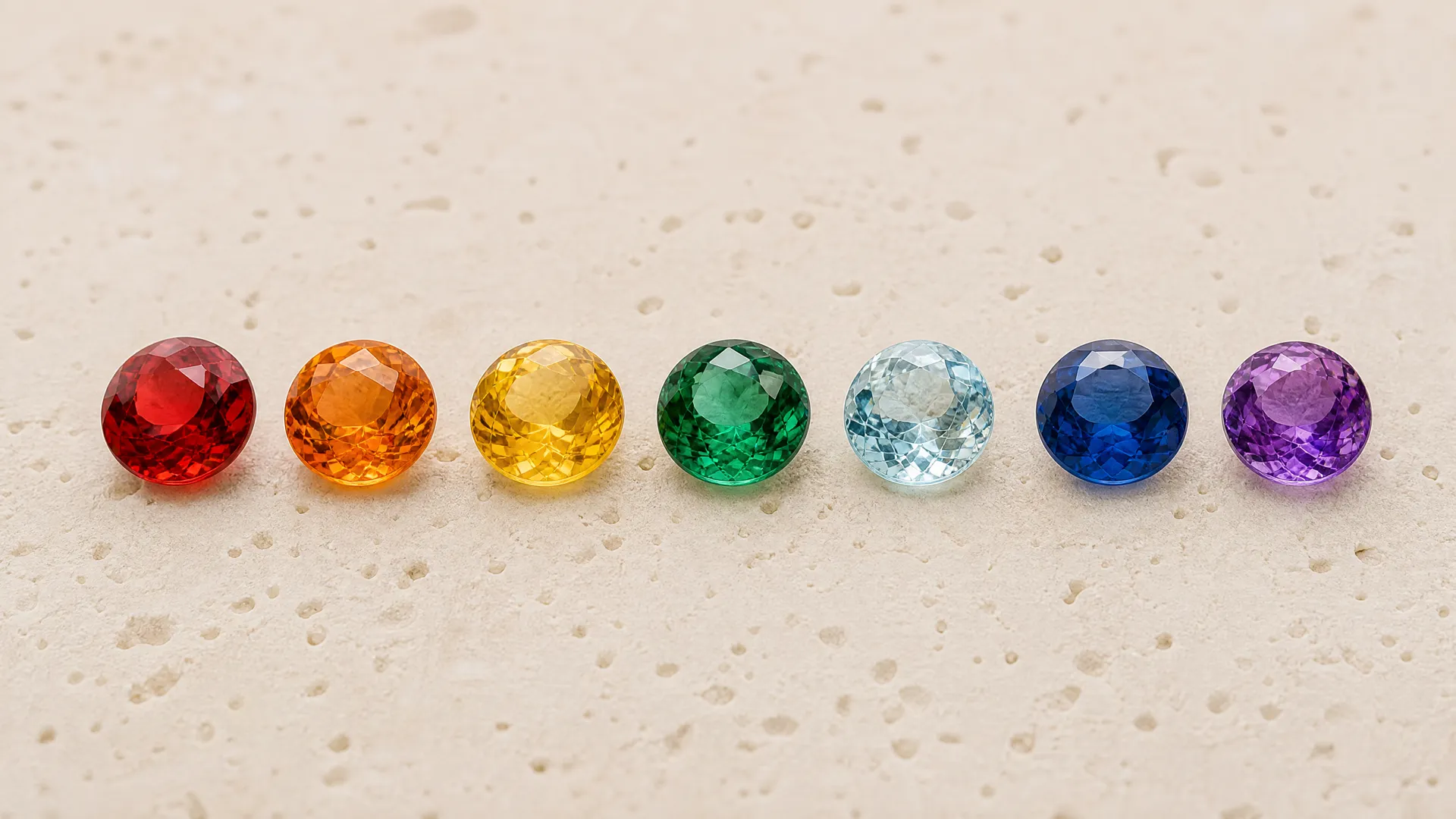
The evil eye is jewelry's longest-running insurance policy: the belief that envy projects harm, and a staring blue bead reflects it back. Glass eye amulets hang over doorways in Istanbul bazaars, pin to baby clothes in Greece, and dangle from rearview mirrors across the Levant — a continuous 5,000-year tradition that crossed into fine jewelry intact. Unlike most ancient symbols, it arrived with its meaning undamaged: everybody who wears it still knows exactly what it is for.
Quick Answer: Wearing the Eye - **The classic:** cobalt blue glass bead with concentric white and (often) yellow rings — the Mediterranean standard - **Fine-jewelry versions:** enamel eye pendants, pavé evil eye bracelets, stone-set eyes in turquoise and lapis — same symbol, dressier body - **The tradition's logic:** wear it visible — the eye works by being seen, an evil eye under a collar is a guard dog asleep - **Gifting:** in the tradition, evil eye jewelry is meant to be GIVEN, not bought for oneself — the protection flows through the giver
The color is not decoration: cobalt blue is the canonical eye because glassmakers of the eastern Mediterranean had cobalt and the color read as sky-and-water — protective elements both. Modern palettes wander (pink and green eyes exist as fashion), but the blue bead is the one with five millennia of continuous use behind it. If the symbol is the point, stay blue; if the look is the point, the palette is free.
The cousin distinction matters when buying: an evil eye (a staring eye that deflects envy) is different from a hamsa (an open hand, often containing an eye, that blesses and protects) and from protection-stone pieces (turquoise, black stones — guarding by material rather than image). Our triple protection bracelet is the stone-based Western-friendly read of the same instinct: three guarding stones, no literal eye, and its product page explains that distinction honestly. For wrist formats generally, the birthstone bracelets hub maps them all.
Etiquette, last, because the tradition has rules: the eye is gifted, never self-purchased for full effect; a cracked or broken evil eye is traditionally retired (it did its job — it took the hit); and it is worn openly. None of this is superstition-police enforced; it is simply what five thousand years of wearers agreed the symbol means, and knowing it makes the piece you wear or give an actual heirloom of a tradition rather than a blue bead.
Frequently asked.
What does evil eye jewelry protect from?
In the tradition, envy — the belief that admiring or coveting glances project harm. The staring eye deflects that attention back to its source. The symbol has carried this exact meaning continuously for roughly five thousand years across the Mediterranean, the Levant, and South Asia.
Should you buy evil eye jewelry for yourself?
Tradition says gift it: protection flows through the giver, which is why evil eye pieces are classic baby-shower and new-home gifts. Self-purchase is common in fashion contexts and no tradition-police intervene — but if you want the full meaning, have someone who loves you do the buying.
What does a broken evil eye mean?
Tradition is unanimous and oddly comforting: the eye broke because it absorbed the hit meant for you. Broken eye amulets are retired with thanks, not repaired — the bead did its job. Replace it and continue; that is the entire lifecycle the tradition assigns.
What is the difference between an evil eye and a hamsa?
The evil eye is a staring eye that deflects envy; the hamsa is an open right hand (often holding an eye image) that blesses and protects broadly. They pair constantly — the hamsa as the hand of blessing, the eye as the watcher within it — and both trace to the same protective traditions of the eastern Mediterranean.
Why is the evil eye blue?
Cobalt blue was the glassmaker color of the eastern Mediterranean, and blue read as sky and water — protective elements in every tradition of the region. Five millennia of continuous use fixed the association: the blue bead is the canonical evil eye. Fashion palettes wander; the traditional guard is blue.
Related Articles
A Brief History of Birthstones
From the twelve tribes of Israel to the 1912 standard that rules the modern list — the 3,500-year origin story of why we wear our birth month.
Read MoreThe Ultimate Birthstone Cleaning Guide
Keep every piece in your collection gleaming. Step-by-step methods for gold, silver, and delicate birthstones — no harsh chemicals needed.
Read MoreBirthstone Energy: A Complete Crystal Healing Guide
From root chakra grounding to crown chakra clarity, discover how each birthstone carries healing energy. Learn to activate your crystal for meditation, sleep, and daily intention.
Read More