17th Anniversary
gemstone: Pink Tourmaline.
Seventeen years — the furnished life and the clear head
Quick answer
The 17th anniversary gemstone is Pink Tourmaline — Watches are the classic 17th gift; pink tourmaline is the gem. The 17th anniversary traditional gift is furniture, and the meaning is architectural: by year seventeen, the couple has furnished a life — the home, the habits, the guest room that is always ready. The heirloom-furniture tradition says this is the year to buy the piece that will outlast you both: the solid-wood dining table your grandchildren will eat at, the oak dresser that moves with every decade. Amethyst, the modern stone, is the quiet luxury of that furnished life. Its name is the Greek amethystos, meaning not drunk — the ancient belief that wearing it kept the head clear — and the church made it the Bishop's Stone for exactly that reason: bishops wear amethyst rings to this day as a symbol of sober judgment. Before the great Brazilian deposits were discovered in the nineteenth century, amethyst was priced alongside ruby and sapphire and worn by European royalty. Today it is one of the calendar's most affordable fine gems ($2-70 per carat depending on grade), which means the seventeenth year can have both the furniture and the stone without compromise.
17th anniversary gift ideas
- ✓Amethyst pendant — the sober modern stone
- ✓An heirloom furniture piece — the traditional home-building gift
- ✓Amethyst cluster for the desk or mantel
- ✓Amethyst ring for daily seventeenth-year wear
- ✓A deep Siberian-grade amethyst for the collector
Choose Pink Tourmaline for your 17th
Every piece below can be personalized with Opal — the October birthstone and the traditional 17th anniversary stone. Pick the style she wears daily, choose the Opal stone, and the milestone is marked.
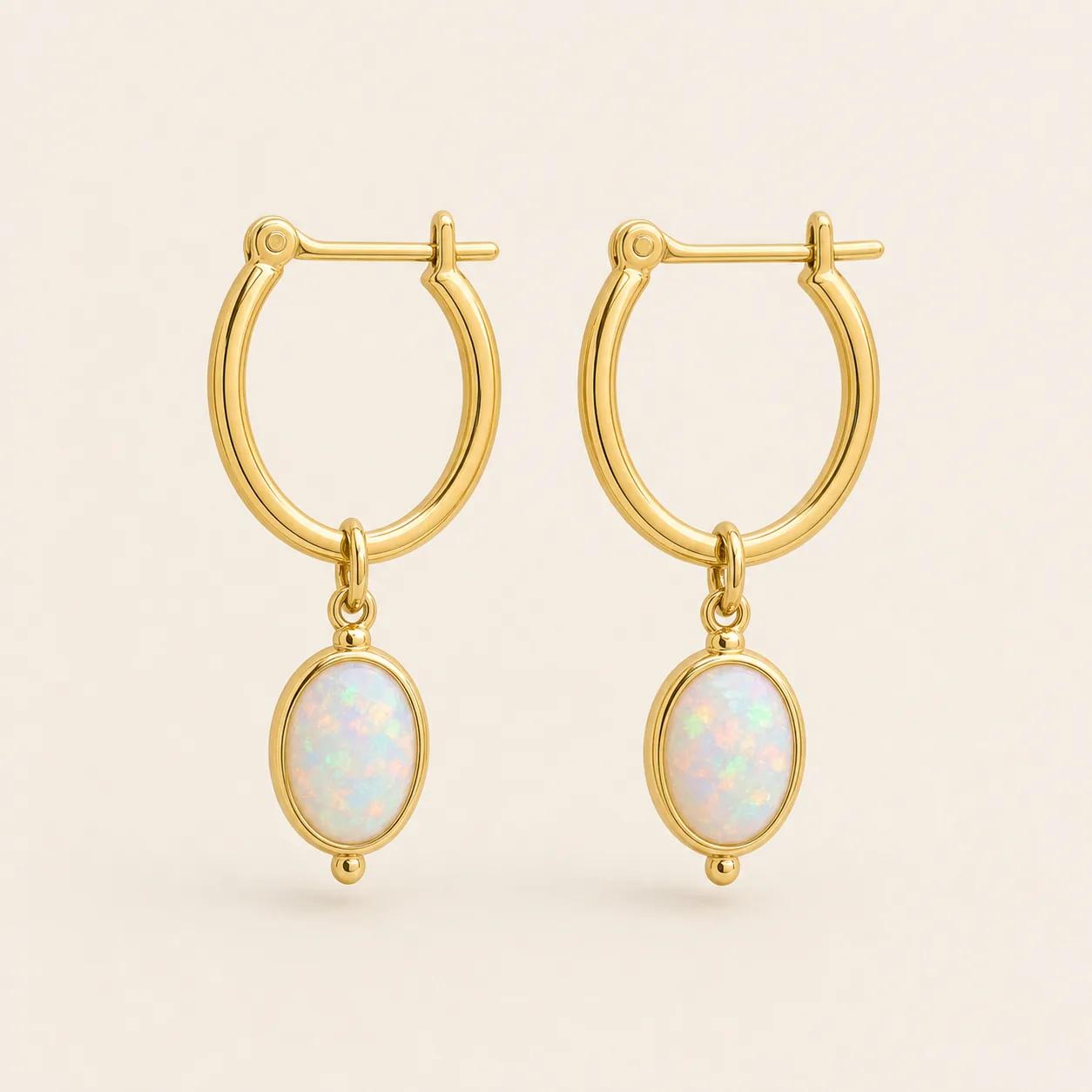
18K Gold Vermeil
Opal Petite Hoops

18K Gold Vermeil
Star Birthstone Necklace — All 12 Months
✦ Choose your birth month stone — all 12 months available
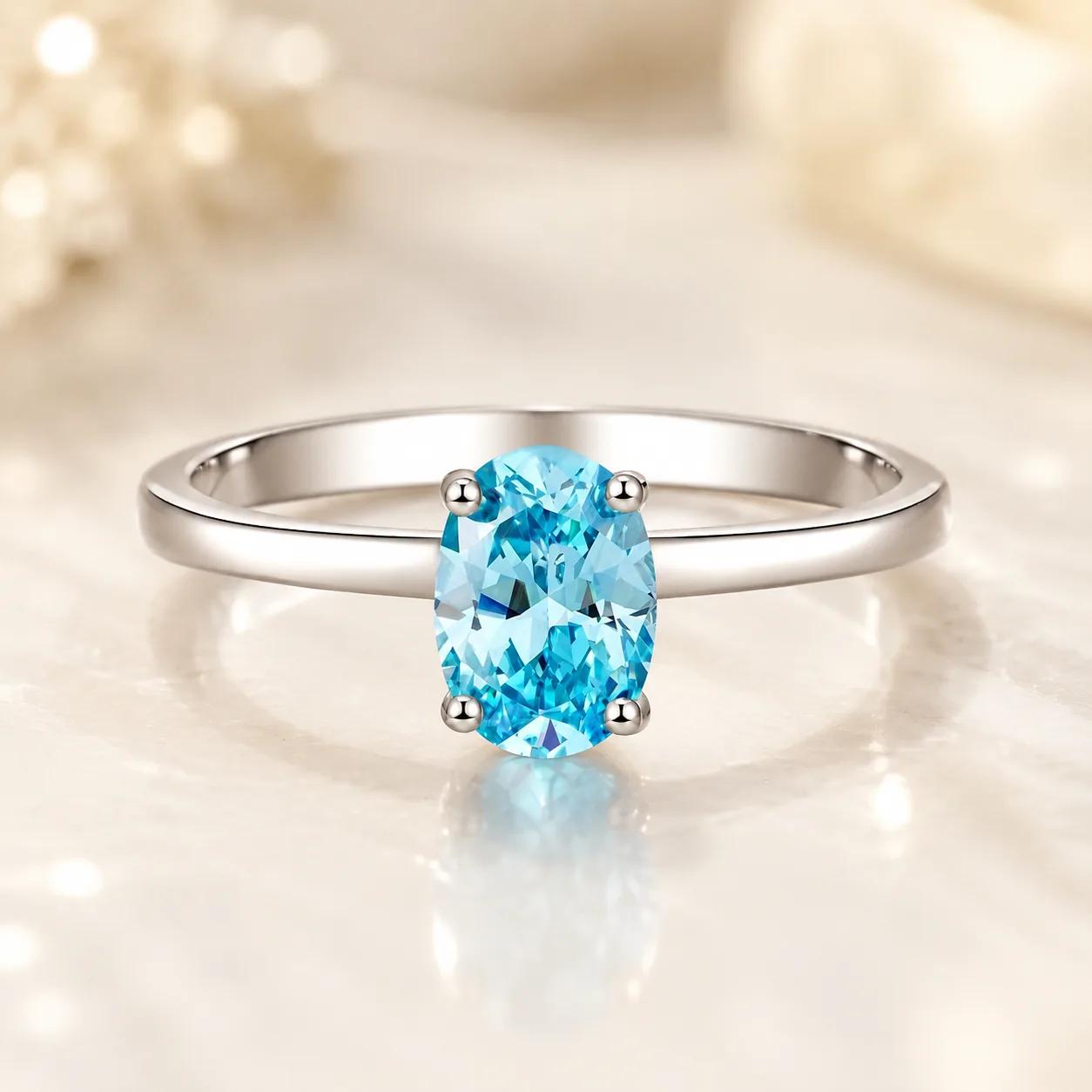
925 Sterling Silver
Birthstone Cabochon Ring — Choose Your Month

S925 Sterling Silver
Birthstone Drop Necklace — All 12 Months
✦ Choose your birth month — 12 natural gemstones
17th anniversary FAQ
What is the gemstone for the 17th anniversary?
Amethyst is the modern 17th anniversary stone. Furniture is the traditional gift.
Why is amethyst called the Bishop's Stone?
The Greek amethystos means not drunk — ancient belief held that wearing it kept the head clear. Bishops adopted it as a symbol of sober judgment, and the tradition of amethyst episcopal rings continues today.
Was amethyst always affordable?
No — before the Brazilian deposits were discovered in the nineteenth century, amethyst was priced alongside ruby and sapphire and worn by European royalty. The new supply democratized it.
What does color zoning in amethyst mean?
Natural amethyst often shows bands of lighter and darker purple — these are growth layers, a natural feature. Strong visible zoning slightly lowers value but is proof of natural growth.